
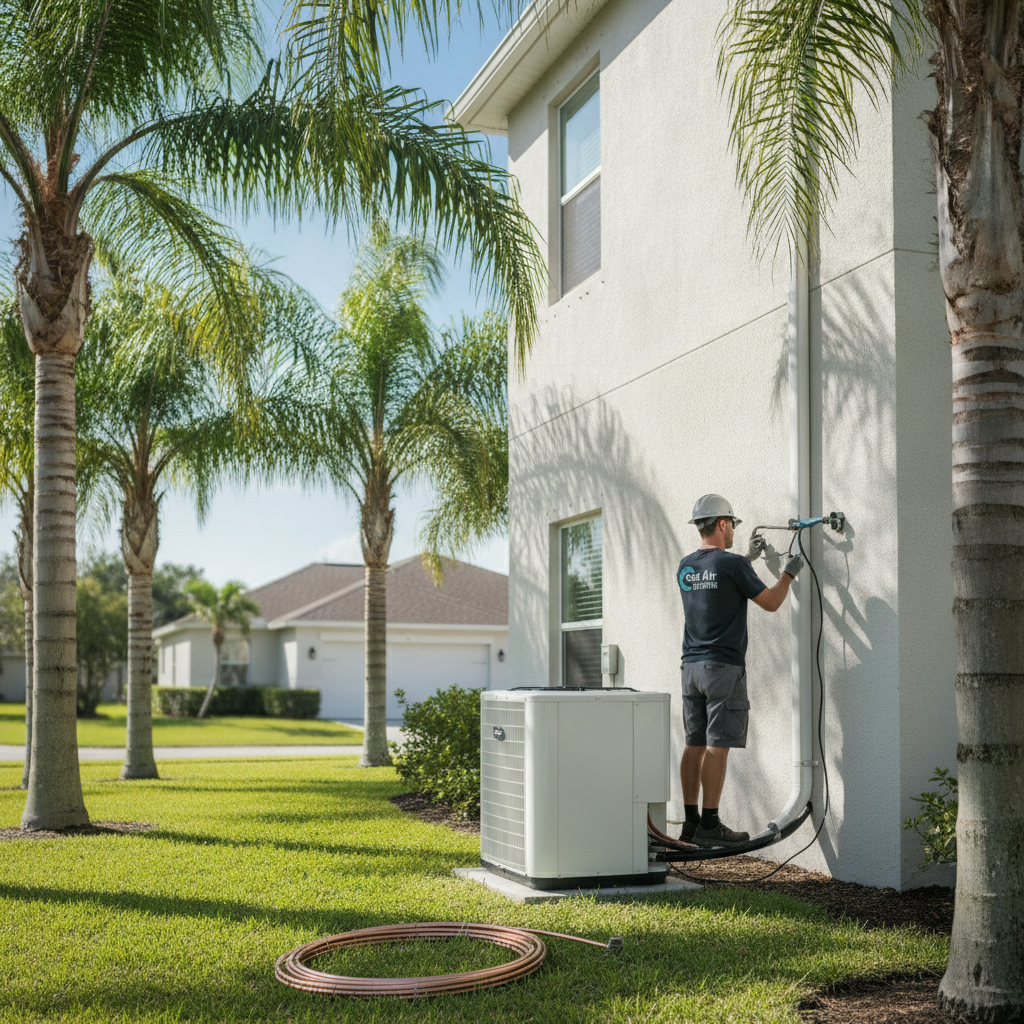
If you’re a small homeowner, property developer, or a resident searching for the right way to keep your space cool and comfortable, understanding AC installation is crucial. Whether you’re upgrading an outdated system or starting from scratch, the process can seem overwhelming. AC Installation in Tampa, FL, is about more than just beating the heat, it’s about maximizing efficiency, reducing long-term costs, and ensuring your environment stays pleasant year-round. With Tampa’s humid climate and ever-rising energy demands, making the right choices from the start can save you time, money, and headaches down the road. In this comprehensive guide, we’ll walk you through every major aspect of AC installation, from choosing the right system to preparing your property, and what to expect during the process. By the end, you’ll feel confident navigating your next AC project, whether it’s for your home, a development, or your own home.
Understanding the Local Climate and Its Impact on AC Needs
Tampa’s climate is characterized by long, hot summers and high humidity. This combination places unique demands on air conditioning systems. It’s not just about cooling the air; it’s also about managing moisture levels to maintain indoor comfort and prevent issues like mold and mildew. When planning for AC installation, it’s essential to account for these environmental factors. Systems that work efficiently in drier climates may struggle here, leading to higher energy bills and frequent maintenance.
Humidity control is a major consideration. Modern AC units are designed to do more than just lower the temperature, they also help regulate indoor humidity. This is especially important for businesses where excess moisture can damage equipment or inventory. Additionally, the local heat index can put extra strain on older or undersized systems, causing them to work harder and wear out faster.
For those looking to invest in a new system, consulting with experts like Nolan Air can help you select the right AC unit tailored to Tampa’s unique weather patterns. The right choice ensures comfort, efficiency, and longevity for your cooling investment.
Evaluating Your Property for the Ideal AC System
Choosing the right air conditioning system starts with a thorough evaluation of your property. Factors such as square footage, ceiling height, insulation quality, window placement, and even the number of occupants all influence your cooling requirements. For homeowners, the type of operations conducted within the space, such as the use of heat-generating equipment or the presence of large crowds, can also impact system selection.
A professional assessment will typically include a load calculation, which determines the optimal size and capacity of the AC unit needed. Oversized systems may cool quickly but fail to remove sufficient humidity, while undersized units will struggle to keep up, leading to constant cycling and increased wear. Both scenarios result in higher energy costs and reduced comfort.
It’s also important to consider the building’s age and existing ductwork. Older properties may require duct upgrades or even a switch to ductless systems for improved efficiency. If you’re unsure whether your AC issue is a minor fix or a sign you need a new system, check out How to Tell Whether Your Palm Harbor AC Problem Is a Quick Fix or a Major Repair for more insights.
Types of Air Conditioning Systems Explained
There are several types of air conditioning systems available, each with its own strengths and ideal applications. The most common options include central air conditioning, ductless mini-split systems, window units, and packaged rooftop units. Central air is popular for larger homes and commercial spaces, offering powerful cooling and integrated ductwork. Ductless mini-splits are ideal for renovations, additions, or properties without existing ducts, providing flexible zone cooling and energy savings.
Window units and portable ACs are generally best for small spaces or temporary solutions, but they lack the efficiency and coverage of more permanent systems. Packaged rooftop units are often used in commercial settings, where space is at a premium and easy maintenance access is needed.
Understanding the differences between these systems can help you make an informed decision. For a detailed look at what happens during a professional installation, see What to Expect During a Professional AC Installation in Palm Harbor, FL.
Energy Efficiency and SEER Ratings: What You Need to Know
Energy efficiency is a top priority for anyone considering a new AC installation. The Seasonal Energy Efficiency Ratio (SEER) rating is the industry standard for measuring air conditioner efficiency. Higher SEER ratings mean better energy performance and lower operating costs. While older units may have SEER ratings as low as 10, modern systems often start at 14 and can go much higher.
Investing in a high-SEER unit may cost more upfront, but the energy savings over time can be substantial. This is especially true in regions with long cooling seasons. It’s also worth noting that some utility companies offer rebates or incentives for installing energy-efficient systems, making the investment even more attractive.
When comparing units, consider not just the SEER rating but also features like variable-speed compressors, smart thermostats, and advanced filtration systems. These can further enhance comfort, reduce energy use, and improve indoor air quality for your home or home.
Preparing Your Property for AC Installation
Proper preparation is key to a smooth and successful AC installation. Start by clearing Tampa around the installation site, both indoors and outdoors. Remove any obstacles, furniture, or equipment that might impede access for technicians. If you have pets, make arrangements to keep them safe and out of the way during the process.
For businesses, consider scheduling installation during off-peak hours to minimize disruption to operations. Notify household or tenants in advance, and ensure that all relevant parties are aware of the installation timeline. If your property requires electrical upgrades or ductwork modifications, it’s best to address these before the installation date to avoid delays.
Finally, review your installer’s checklist and ask questions about what to expect on installation day. Being proactive helps ensure the process goes smoothly and your new system is up and running as quickly as possible.
The AC Installation Process: Step by Step
Understanding what happens during an AC installation can help set your expectations and reduce stress. The process typically begins with the removal of your old system, followed by any necessary upgrades to electrical or ductwork components. Next, technicians will position and secure the new unit, connect refrigerant lines, and install the thermostat.
Once everything is in place, the system is charged with refrigerant and thoroughly tested for leaks, proper airflow, and overall performance. Technicians will calibrate the thermostat, check for correct operation, and explain the features of your new system. The final step is a cleanup of the work area and a walkthrough to answer any questions you may have.
A professional installation ensures your system operates at peak efficiency and helps prevent future issues. Always choose a licensed, experienced installer with a track record of quality work in the community.
Common Challenges and How to Overcome Them
Even with careful planning, AC installation can present unexpected challenges. Issues like outdated electrical panels, insufficient ductwork, or structural obstacles can complicate the process. In some cases, older properties may require significant upgrades before a new system can be installed safely and efficiently.
Weather can also be a factor, especially during the rainy season. Scheduling installation during drier months or planning for weather contingencies can help avoid delays. Communication with your installer is key, discuss any concerns or unique aspects of your property ahead of time to ensure a smooth process.
Finally, be prepared for minor disruptions during installation, such as temporary loss of cooling or noise. Most professional installers work efficiently to minimize inconvenience and will keep you informed throughout the process.
Maintenance Tips for Maximizing Your New AC System
Once your new AC system is installed, regular maintenance is essential to keep it running efficiently and extend its lifespan. Start by changing or cleaning air filters every one to three months, depending on usage and the presence of pets or allergens. Schedule annual professional inspections to catch minor issues before they become major problems.
Keep Tampa around your outdoor unit clear of debris, plants, and obstructions. This allows for proper airflow and prevents overheating. Monitor your thermostat settings to avoid unnecessary strain on the system, and consider investing in a programmable or smart thermostat for greater control and energy savings.
Regularly check for signs of trouble, such as unusual noises, weak airflow, or inconsistent cooling. Addressing these issues promptly can help you avoid costly repairs and maintain optimal comfort in your space.
Cost Breakdown: What to Expect When Budgeting for AC Installation
Budgeting for a new AC system involves more than just the cost of the unit itself. Installation fees, ductwork modifications, electrical upgrades, and permits can all add to the total expense. The type and size of the system, as well as the complexity of the installation, will influence the final price.
Below is a table outlining common cost factors to help you plan your budget:
| Cost Factor | Description |
|---|---|
| AC Unit | Price varies by type, size, and efficiency rating |
| Installation Labor | Professional installation fees, including removal of old system |
| Ductwork | Repair, replacement, or upgrades as needed |
| Electrical Work | Upgrades to meet system requirements |
| Permits & Inspections | Local permits and final inspection fees |
| Extras & Add-Ons | Smart thermostats, air purifiers, zoning systems, etc. |
While upfront costs can be significant, remember that energy-efficient systems and professional installation can lead to lower utility bills and fewer repairs over time. Always request a detailed estimate and ask your installer about available financing options or rebates.
Choosing the Right AC Installer for Your Project
Selecting the right installer is as important as choosing the right AC system. Look for licensed, insured professionals with experience in Tampa. Ask for references, read reviews, and verify credentials before making a decision. A reputable installer will offer transparent pricing, detailed estimates, and clear communication throughout the process.
It’s also wise to choose a company that offers ongoing maintenance and support. This ensures you have a trusted partner for future service needs and helps protect your investment. Don’t hesitate to ask questions about warranties, service agreements, and emergency support before signing a contract.
A quality installation not only guarantees comfort but also maximizes the efficiency and lifespan of your new system. Take your time to research and select an installer who understands your unique needs and is committed to delivering top-notch service.
Smart Upgrades and Future-Proofing Your Cooling System
As technology evolves, there are more ways than ever to enhance your AC system’s performance and convenience. Consider investing in smart thermostats, which allow you to control your cooling remotely and optimize energy usage. Zoning systems can direct cooling to specific areas, reducing waste and improving comfort.
Air quality upgrades, such as advanced filtration or UV light systems, can make a significant difference for businesses concerned about employee health or customers with allergies. Additionally, choosing a system with future expansion in mind can save you money if your needs change down the road.
Staying informed about the latest advancements ensures your investment remains valuable for years to come. Ask your installer about upgrade options and how they can be integrated into your current or planned system.
Final Thoughts
AC installation is a significant investment that impacts comfort, efficiency, and operational costs for years to come. By understanding the unique climate challenges, evaluating your property’s needs, and selecting the right system and installer, you set yourself up for long-term success. Regular maintenance and smart upgrades further enhance your system’s value, ensuring reliable performance even during the hottest months.
Whether you’re a homeowner, developer, or local resident, taking a thoughtful approach to AC installation pays off in comfort, savings, and peace of mind. Use this guide as your roadmap, ask plenty of questions, and work with trusted professionals to achieve the best results for your space.