
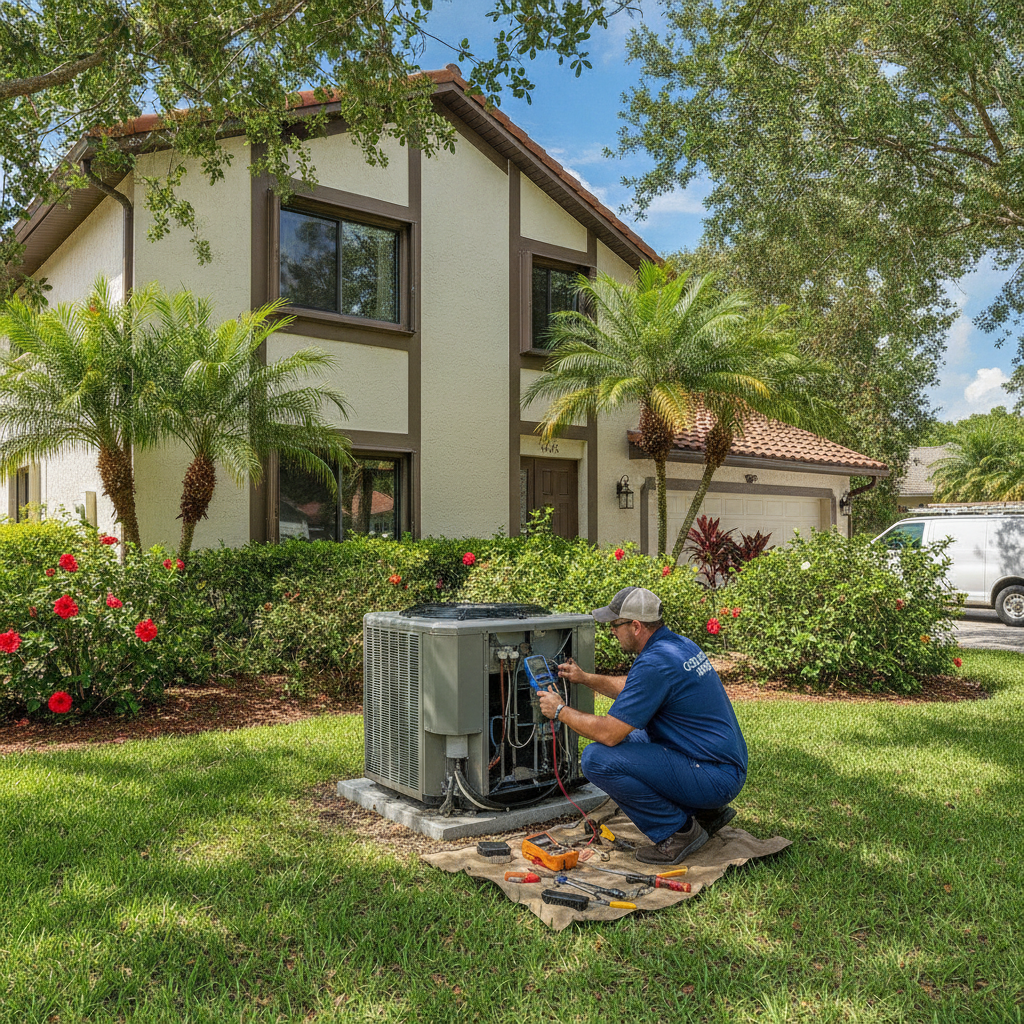
When your air conditioner suddenly stops working or starts acting up, it’s easy to panic, especially during the sweltering Florida summer. For small homeowners, developers, and residents alike, knowing whether your AC issue is a simple fix or a sign of a much larger repair can save you time, money, and stress. If you’re searching for guidance on AC Repair Palm Harbor FL, you’re not alone. Many in Palm Harbor wonder if that strange noise, weak airflow, or sudden shutdown is something they can handle themselves or if it’s time to call in the professionals. This guide will help you confidently identify the difference between minor hiccups and major AC problems, so you can make smart decisions for your comfort and your wallet. Whether you’re managing a local shop, overseeing a property, or just trying to keep your home cool, understanding the basics of AC troubleshooting is a must in Palm Harbor.
Recognizing the Early Warning Signs
Catching AC problems early can be the difference between a quick fix and a costly repair. The first step is to pay attention to subtle changes in your system’s performance. Is your AC taking longer to cool the room? Do you hear odd rattling, buzzing, or clicking sounds? Perhaps you’ve noticed a faint musty smell when the unit kicks on. These early warning signs often indicate minor issues, such as a dirty air filter, loose panel, or a clogged drain line. Addressing them promptly can prevent further damage.
For homeowners, a sluggish AC can impact customer comfort and employee productivity. Developers and property managers should also be alert, as unresolved AC problems can lead to tenant complaints and higher maintenance costs. If you’re unsure whether an issue is minor or major, start by checking the basics: thermostat settings, power supply, and air filter condition. Sometimes, a simple adjustment or replacement is all that’s needed to restore cool air.
If you’re looking for trusted local expertise, Nolan Air is a resource many in this region rely on for prompt and professional service. Recognizing warning signs early and taking action can help you avoid bigger headaches down the road.
When a Quick Fix Is All You Need
Not every AC hiccup spells disaster. In fact, some of the most common problems have surprisingly simple solutions. For example, if your unit isn’t turning on, check the circuit breaker and ensure the thermostat is set to “cool.” Sometimes, a tripped breaker or dead thermostat batteries are the only culprits. If you notice weak airflow, a clogged air filter or blocked vent may be to blame. Replacing the filter or clearing obstructions can restore performance in minutes.
Another frequent issue is water pooling around the unit. This often results from a blocked condensate drain line, which you can clear with a wet/dry vacuum or a simple flush. If your AC is blowing warm air, double-check the thermostat settings and inspect the outdoor unit for debris. Leaves, grass clippings, or dirt can restrict airflow and reduce cooling efficiency.
For more detailed troubleshooting steps, check out How to Troubleshoot a Tampa AC Breakdown Before the Technician Arrives. With a little patience and basic know-how, you can often resolve minor AC issues without waiting for a technician.
Major Repairs: When to Call in the Pros
While some AC problems are easy to address, others require professional attention. If you hear grinding, screeching, or banging noises, it could signal a failing motor, a broken fan blade, or a compressor issue. These components are vital to your system’s operation and should only be handled by qualified technicians. Likewise, if your AC frequently cycles on and off, struggles to maintain temperature, or trips the circuit breaker repeatedly, it’s time to seek expert help.
Refrigerant leaks, electrical faults, and frozen coils are also red flags. Attempting to fix these yourself can be dangerous and may void your warranty. If you notice ice forming on the evaporator coil, or if your system emits a burning smell, shut it down immediately and contact a professional. These symptoms often indicate deeper mechanical or electrical problems that, if ignored, can lead to system failure.
For those considering a new installation, 7 Smart Reasons to Choose Professional AC Installation in Tampa, FL offers valuable insights into why expert service matters. Major repairs are best left to those with the right tools and training, ensuring your system runs safely and efficiently.
Understanding Common AC Problem Categories
To make informed decisions about your AC, it’s helpful to understand the different categories of problems that can arise. Generally, AC issues fall into three main groups: electrical, mechanical, and airflow-related. Electrical problems often involve the thermostat, circuit breakers, or wiring, and can cause your unit to stop working entirely. Mechanical issues affect moving parts like the compressor, fan motor, or blower, and tend to produce unusual noises or vibrations. Airflow problems, on the other hand, are usually linked to clogged filters, blocked ducts, or dirty coils, resulting in poor cooling performance.
By identifying which category your AC problem fits into, you can better estimate whether it’s a quick fix or a major repair. For example, replacing a filter or resetting a breaker is simple, while repairing a compressor or rewiring the system requires specialized skills. This basic framework empowers homeowners and residents to communicate more effectively with technicians and avoid unnecessary expenses.
If you’re ever unsure, err on the side of caution and consult a professional. A timely diagnosis can prevent minor issues from escalating into costly breakdowns, keeping your property comfortable and your budget intact.
DIY Troubleshooting: Safe Steps to Try First
Before calling for help, there are several safe and effective troubleshooting steps you can take. Start by checking your thermostat settings, make sure it’s set to “cool” and the temperature is set lower than the current room temperature. Next, inspect your air filter. A dirty or clogged filter can severely restrict airflow and reduce cooling efficiency. Replace it if it looks dirty or hasn’t been changed in the past month.
Check your circuit breaker panel to ensure the AC breaker hasn’t tripped. If it has, reset it once. If it trips again, do not continue resetting it; this could indicate a serious electrical issue. Inspect the outdoor unit for visible debris, such as leaves or grass, which can block airflow. Gently clear away any obstructions, but avoid opening the unit or touching internal components.
If your AC is still not working after these steps, it’s best to call a professional. Attempting more advanced repairs without proper training can be dangerous and may cause further damage. Remember, safety always comes first.
How Environmental Factors Affect AC Performance
Climate and environmental conditions in this region play a significant role in AC performance and longevity. High humidity, salty air, and frequent storms can accelerate wear and tear on your system. For homeowners near the coast, salt corrosion can damage outdoor units, leading to premature failure. Developers and property managers should consider these factors when selecting and maintaining AC systems for their properties.
Regular cleaning of outdoor units and scheduling seasonal maintenance can help mitigate these risks. Installing a protective cover or barrier around the condenser can also reduce exposure to harsh elements. Additionally, keeping landscaping trimmed and ensuring proper drainage around the unit can prevent debris buildup and water damage.
Understanding how local conditions affect your AC helps you take proactive steps to extend its lifespan and maintain optimal performance, reducing the likelihood of major repairs.
Comparing Costs: Quick Fixes vs. Major Repairs
One of the biggest concerns for property owners is the cost of AC repair. Quick fixes, such as replacing a filter or resetting a breaker, are generally inexpensive and can often be handled without professional help. In contrast, major repairs, like replacing a compressor, fixing a refrigerant leak, or repairing electrical components, can be much more costly and require specialized labor.
To help you visualize the difference, here’s a table outlining common AC issues and their typical cost range:
| AC Issue | Type | Estimated Cost Range |
|---|---|---|
| Replace air filter | Quick Fix | Low |
| Reset circuit breaker | Quick Fix | Low |
| Clear condensate drain | Quick Fix | Low |
| Replace thermostat | Major Repair | Medium |
| Repair refrigerant leak | Major Repair | High |
| Replace compressor | Major Repair | High |
Keep in mind, costs vary based on system age, brand, and local labor rates. When in doubt, request a detailed estimate before authorizing any major work.
Preventive Maintenance: Your Best Defense
The best way to avoid costly AC repairs is through regular preventive maintenance. Simple tasks like changing filters monthly, cleaning the outdoor unit, and scheduling professional tune-ups can dramatically extend your system’s lifespan. For homeowners, a maintenance plan ensures consistent comfort for customers and staff, while developers and property managers benefit from fewer emergency calls and happier tenants.
Professional maintenance visits typically include checking refrigerant levels, inspecting electrical connections, lubricating moving parts, and testing system performance. These routine checks catch small issues before they become major problems. Investing in preventive care not only saves money but also improves energy efficiency and indoor air quality.
Consider setting reminders for filter changes and scheduling biannual checkups with a trusted local technician. A little effort now can prevent big headaches later on.
Knowing When Replacement Is the Smarter Choice
Sometimes, the most cost-effective solution isn’t another repair, it’s replacing your AC system altogether. If your unit is more than 10-15 years old, requires frequent repairs, or struggles to keep up with cooling demands, replacement may be the smarter investment. Newer systems are more energy-efficient, quieter, and offer advanced features like smart thermostats and improved air filtration.
For homeowners, upgrading to a modern AC can enhance customer experience and reduce operating costs. Developers and property managers can boost property value and attract quality tenants with reliable, efficient cooling. When considering replacement, factor in the age of your current system, repair history, and energy bills. If repair costs exceed half the price of a new unit, replacement is usually recommended.
Consult with a qualified technician to explore your options and ensure you choose the right system for your needs. A professional assessment can help you make a confident, informed decision.
Smart Questions to Ask Your AC Technician
When you do need to call in a professional, being prepared with the right questions can make all the difference. Start by asking for a clear explanation of the problem and the recommended solution. Request a written estimate that breaks down parts, labor, and any additional fees. Inquire about warranty coverage for both repairs and new installations.
Ask your technician if there are any preventive measures you can take to avoid similar issues in the future. For homeowners and property managers, it’s also wise to discuss maintenance plans and emergency response times. Understanding your options and the reasoning behind each recommendation ensures you’re not paying for unnecessary work.
A reputable technician will welcome your questions and provide transparent, honest answers. This open communication builds trust and helps you feel confident in your repair or replacement decisions.
Final Thoughts
Deciding whether your AC problem is a quick fix or a major repair doesn’t have to be a guessing game. By paying attention to early warning signs, understanding common problem categories, and knowing when to call in the pros, you can protect your comfort and your budget. Preventive maintenance and smart troubleshooting go a long way toward minimizing disruptions, especially during the hottest months. For homeowners, developers, and residents in Palm Harbor, a proactive approach to AC care is the best way to stay cool and avoid costly surprises. When in doubt, don’t hesitate to seek expert advice, it’s the surest path to long-lasting comfort and peace of mind.