
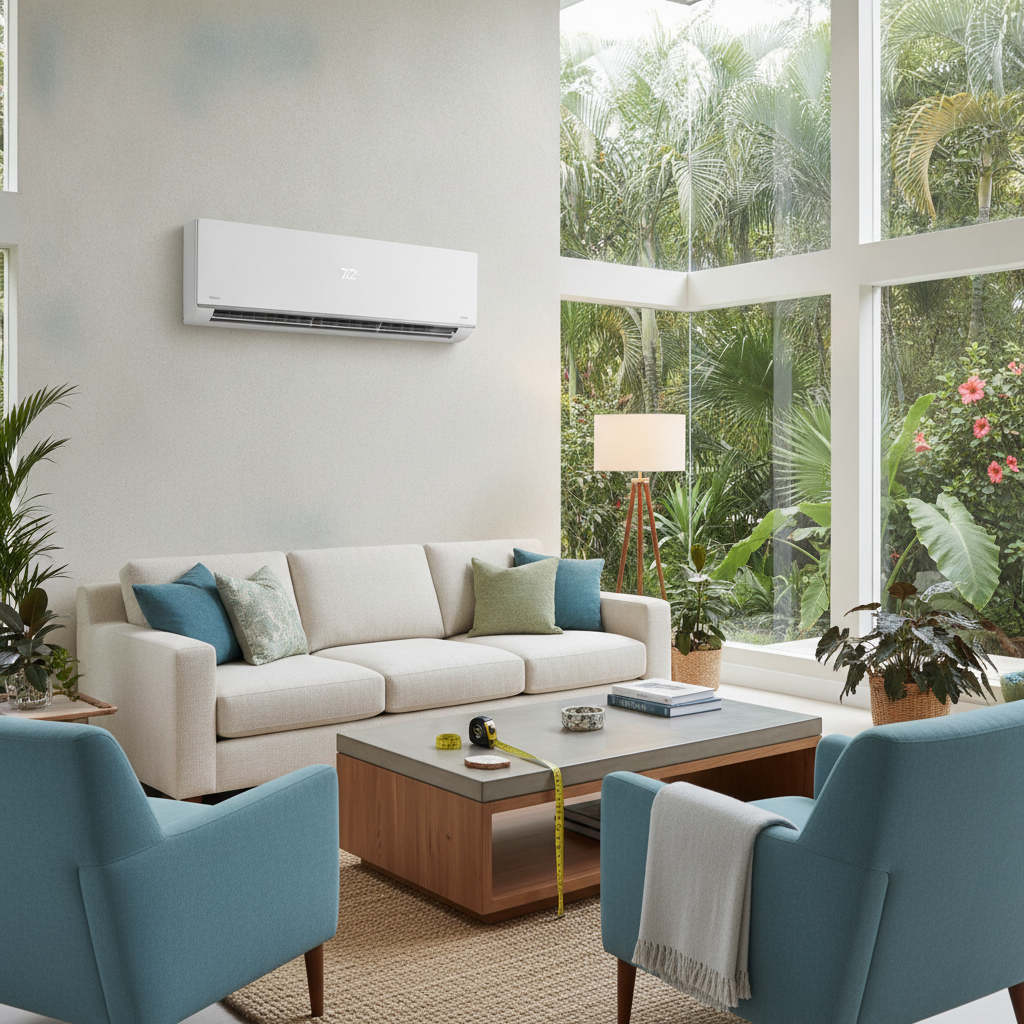
Choosing the right air conditioning size for your home is more than just a matter of comfort, it’s about energy efficiency, long-term savings, and ensuring your system can handle the unique climate challenges of Palm Harbor. Whether you’re a small homeowner looking to create a welcoming environment for customers, a developer planning new builds, or a homeowner wanting to escape the summer heat, understanding the ins and outs of AC Installation Palm Harbor FL is crucial. The right system will keep your indoor spaces cool and comfortable without wasting energy or money. In this guide, we’ll break down the factors that determine the ideal AC size, explain why getting it right matters, and help you navigate the process with confidence. From local climate considerations to home layout and insulation, we’ll cover everything you need to know to make an informed decision that pays off for years to come.
Why AC Sizing Matters for Comfort and Efficiency
Selecting the right size air conditioner is one of the most important decisions you’ll make for your home or business. If your AC unit is too small, it will struggle to cool your space, running constantly and driving up your energy bills. On the other hand, an oversized unit may cool the air quickly but leave humidity levels high, resulting in a clammy and uncomfortable environment. The right size system keeps you comfortable, controls humidity, and operates efficiently, saving you money over time.
Proper sizing also extends the lifespan of your AC. Units that are too large or too small experience more wear and tear, leading to more frequent repairs and earlier replacement. For homeowners, this means less downtime and fewer disruptions. For homeowners, it translates to greater peace of mind and lower maintenance costs. Consulting with a trusted local provider like Nolan Air can help ensure you get a system that’s perfectly matched to your needs.
- Improves indoor comfort and air quality
- Reduces monthly energy bills
- Prevents unnecessary system strain
- Controls indoor humidity for a healthier environment
In a region where summer temperatures and humidity can soar, getting the AC size right is essential for both comfort and cost control. Let’s explore what goes into making that decision.
Understanding BTUs and Cooling Capacity
The cooling capacity of an air conditioner is measured in British Thermal Units (BTUs) per hour, which indicates how much heat the system can remove from your space in one hour. The higher the BTU rating, the more powerful the unit. However, bigger isn’t always better. The ideal BTU capacity depends on a variety of factors, including the size of your home or business, ceiling height, insulation quality, and even the number of windows.
A common mistake is to estimate the required BTUs based only on square footage. While this is a good starting point, it doesn’t account for other variables that affect cooling needs. For example, a well-insulated building with energy-efficient windows may need less cooling power than an older structure with poor insulation. For a more accurate assessment, professionals often use a Manual J calculation, which considers all relevant factors.
If you’re experiencing uneven cooling, high humidity, or frequent cycling on and off, your current system may be incorrectly sized. Before investing in a new unit, it’s worth learning How to Troubleshoot a Tampa AC Breakdown Before the Technician Arrives to rule out other issues.
- BTUs reflect the cooling power of your AC
- Manual J calculations offer the most accurate sizing
- Don’t rely on square footage alone
Understanding these basics will help you communicate more effectively with your installer and ensure your new system meets your specific needs.
Key Factors That Influence AC Size Selection
Several factors influence the size of the air conditioning system you’ll need. While square footage is a primary consideration, other elements play a significant role in determining the right fit for your property. Here are some of the most important aspects to keep in mind:
- Home or Business Size: Larger spaces require more cooling power, but layout and room configuration also matter.
- Ceiling Height: High ceilings mean more air volume to cool, which increases BTU requirements.
- Insulation Quality: Well-insulated properties retain cool air better, reducing the load on your AC.
- Window Size and Placement: Large or south-facing windows let in more heat, impacting cooling needs.
- Sun Exposure: Homes with significant sun exposure need more powerful systems than those shaded by trees or other buildings.
- Number of Occupants: More people generate more heat, which your AC must compensate for.
- Appliances and Electronics: Devices that generate heat can increase your cooling requirements.
Local professionals understand the unique needs of Palm Harbor and can help you navigate these variables. For a deeper dive into the benefits of expert installation, check out 7 Smart Reasons to Choose Professional AC Installation in Tampa, FL.
By considering all these factors, you’ll ensure your new system delivers optimal comfort and efficiency for years to come.
How Local Climate Affects Your AC Needs
The climate in this region is characterized by hot, humid summers and mild winters. This means your air conditioner will work hard for much of the year, making proper sizing even more important. High humidity levels can make indoor spaces feel warmer than they are, leading to overuse of the AC if it isn’t sized correctly. An oversized unit may cool the air quickly but won’t run long enough to remove excess moisture, leaving your home feeling sticky and uncomfortable.
Conversely, a unit that’s too small will run constantly, struggling to keep up with demand and potentially failing during the hottest days. Local HVAC professionals take these climate factors into account when recommending a system, ensuring you get a solution that’s built for the weather patterns here.
- Humidity control is as important as temperature control
- Proper sizing prevents excessive energy use
- Local expertise ensures your system is climate-appropriate
When planning your installation, always factor in how the local climate will impact your comfort and your system’s performance.
The Role of Home Design and Layout
Every property is unique, and the design of your home or business can significantly influence the size and type of AC system you need. Open floor plans, multiple stories, and the placement of rooms all affect how air circulates and how efficiently your system can cool the space.
For example, a two-story home may require a zoned system to ensure even cooling on both levels, while a single-story home with large, open spaces might benefit from a different approach. The number and placement of doors and windows, as well as the orientation of the building, also play a role in determining cooling needs.
- Open layouts may require more powerful systems
- Multiple stories benefit from zoning
- Room orientation affects sun exposure and cooling load
Discuss your home’s layout with your installer to ensure your new AC system is tailored to your property’s specific needs.
Insulation and Energy Efficiency: Why They Matter
Insulation is a critical factor in determining how much cooling power your home or business needs. Well-insulated buildings retain cool air more effectively, reducing the workload on your AC system and lowering energy bills. If your property is older or has insufficient insulation, your system will need to work harder to maintain comfortable temperatures, which can lead to higher operating costs and more frequent breakdowns.
Upgrading insulation and sealing air leaks before installing a new AC unit can help you choose a smaller, more efficient system without sacrificing comfort. This not only saves money upfront but also reduces your long-term energy usage.
- Better insulation means more efficient cooling
- Sealing air leaks improves system performance
- Energy-efficient homes may require smaller AC units
Consider a home energy audit to identify areas for improvement before making your final AC selection.
Common Mistakes When Sizing an AC System
Even well-intentioned homeowners and homeowners can make mistakes when choosing an AC size. Some of the most common errors include relying solely on square footage, ignoring insulation and window factors, and choosing a unit based on price rather than performance. These mistakes can lead to discomfort, higher energy bills, and premature system failure.
- Overestimating or underestimating BTU needs
- Neglecting the impact of local climate
- Failing to account for home layout and occupancy
- Choosing the cheapest option instead of the best fit
Avoid these pitfalls by working with experienced professionals who use industry-standard calculations and take a holistic approach to system selection.
Manual J Calculations: The Gold Standard for Sizing
Manual J is the industry-standard method for determining the correct size of an air conditioning system. This detailed calculation considers not only the square footage of your property but also insulation levels, window types, sun exposure, occupancy, and more. By using Manual J, HVAC professionals can recommend a system that will provide optimal comfort and efficiency for your specific situation.
Many reputable installers in Palm Harbor rely on Manual J calculations to ensure their clients get the best possible results. If your contractor doesn’t mention this process, it’s worth asking about, it’s a sign of thoroughness and professionalism.
- Ensures accurate sizing based on all relevant factors
- Prevents common sizing mistakes
- Maximizes comfort and energy savings
Insist on a Manual J assessment before committing to a new AC installation to protect your investment and comfort.
Comparing AC Sizes: Sample BTU Recommendations
To give you a general idea of how AC sizing works, here’s a sample table showing recommended BTU capacities for different home sizes. Remember, these are starting points, your actual needs may vary based on the factors discussed earlier.
| Home Size (sq ft) | Recommended BTUs | Typical AC Tonnage |
|---|---|---|
| 600 – 1,000 | 18,000 – 24,000 | 1.5 – 2 tons |
| 1,000 – 1,500 | 24,000 – 30,000 | 2 – 2.5 tons |
| 1,500 – 2,000 | 30,000 – 36,000 | 2.5 – 3 tons |
| 2,000 – 2,500 | 36,000 – 42,000 | 3 – 3.5 tons |
| 2,500 – 3,000 | 42,000 – 48,000 | 3.5 – 4 tons |
Use this table as a reference, but always consult a professional for a personalized recommendation tailored to your property and the local climate.
Benefits of Getting AC Sizing Right the First Time
Investing time and effort into proper AC sizing pays off in multiple ways. The right system delivers consistent comfort, reduces energy consumption, and minimizes maintenance costs. It also helps maintain healthy indoor air quality by controlling humidity and ensuring even air distribution throughout your home or business.
- Lower energy bills and reduced environmental impact
- Fewer repairs and longer system lifespan
- Improved comfort and air quality
- Peace of mind knowing your investment is protected
By getting it right from the start, you avoid the hassle and expense of correcting mistakes later on. This is especially important for homeowners, who can’t afford disruptions due to system failures or inadequate cooling.
Working With Local Experts for AC Installation
Choosing a reputable, experienced HVAC contractor is essential for a successful AC installation. Local experts understand the unique climate and construction styles in Palm Harbor, and they can guide you through the sizing and selection process. Look for professionals who perform detailed assessments, use Manual J calculations, and are familiar with the latest energy-efficient technologies.
A good installer will also help you evaluate your property’s insulation, windows, and other factors that affect cooling needs. They’ll explain your options and ensure your new system is properly sized and installed for maximum performance and longevity.
- Local knowledge ensures climate-appropriate solutions
- Professional assessments prevent costly mistakes
- Expert installation maximizes efficiency and comfort
Don’t hesitate to ask questions and request references before making your decision. The right partner will make the process smooth and stress-free.
Final Thoughts
Selecting the right AC size for your home or business is a critical step toward lasting comfort, efficiency, and savings. By considering factors like local climate, home design, insulation, and occupancy, and by relying on professional guidance and Manual J calculations, you can avoid common pitfalls and ensure your new system is a perfect fit. Whether you’re upgrading an old unit or planning a new installation, take the time to get sizing right. Your comfort, your wallet, and your peace of mind will thank you for years to come.