
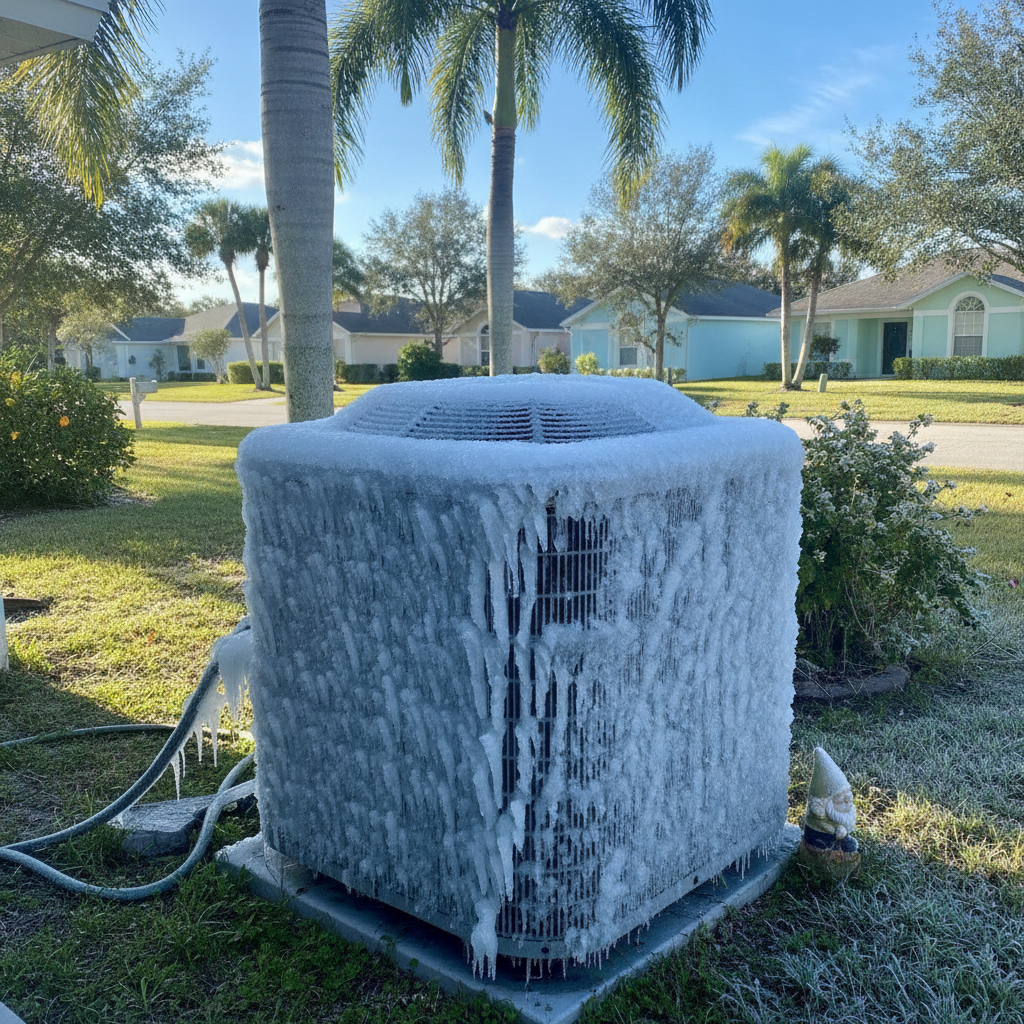
When the summer heat is at its peak, a frozen AC unit can bring your home’s comfort to a grinding halt. For residents and small homeowners who rely on uninterrupted cooling, understanding how and why an air conditioner freezes up is crucial. Emergency AC Repair Palm Harbor FL services are often called in when the system suddenly stops blowing cold air, leaving everyone scrambling for relief. This article explores the science behind frozen AC units, the warning signs to watch for, and practical steps you can take to prevent a complete cooling shutdown. Whether you’re a developer managing multiple properties or a homeowner trying to keep your family comfortable, knowing how to respond to a frozen air conditioner can save you time, money, and stress. Dive in to discover what causes this chilly problem, how to spot it early, and what you can do before calling in the professionals.
How a Frozen AC Unit Disrupts Cooling
A frozen air conditioning unit might sound like a contradiction, especially in a region where high temperatures are the norm. However, when ice forms on the evaporator coil or refrigerant lines, it can quickly lead to a total loss of cooling in your home or business. The science behind this is straightforward: your AC’s evaporator coil is designed to absorb heat from indoor air. If airflow is restricted or refrigerant levels drop, the coil can get too cold, causing moisture in the air to freeze on its surface. As the ice builds up, it acts as an insulator, preventing the coil from absorbing heat effectively. Eventually, your AC may blow warm air or shut down entirely to protect itself from further damage.
For small homeowners, this can mean lost productivity and unhappy customers. For homeowners, it’s a matter of comfort and safety, especially for vulnerable family members. The longer a frozen AC unit is left unaddressed, the more extensive the damage can become, potentially leading to compressor failure or costly repairs. That’s why many in Palm Harbor trust Nolan Air for prompt, professional service when their cooling system grinds to a halt.
It’s important to note that a frozen AC is not just a minor inconvenience, it’s a sign of an underlying issue that needs immediate attention. Understanding the causes and consequences can help you act quickly and minimize downtime.
Early Warning Signs of a Freezing AC
Spotting the early signs of a freezing air conditioner can make all the difference between a quick fix and a major repair bill. One of the first things you might notice is reduced airflow from your vents, even though the system is running. This often means ice is starting to build up on the evaporator coil, restricting the passage of air. Another telltale sign is the presence of water pooling around the indoor unit or near the air handler. As the ice melts, it can overwhelm the drain pan and leak onto the floor.
You may also hear unusual hissing or bubbling noises, which could indicate a refrigerant leak, a common culprit behind frozen coils. If your AC is blowing warm air or cycling on and off more frequently than usual, don’t ignore these symptoms. They often precede a complete system shutdown. In some cases, you might even see visible frost or ice on the copper refrigerant lines or the outdoor unit.
For a deeper dive into the specific failure points that can lead to these symptoms, check out Most Common AC Failure Points in Palm Harbor Homes and What They Mean. Recognizing these early warnings gives you a chance to take action before your home or business loses all cooling capacity.
Why AC Units Freeze Up in This Region
The local climate plays a significant role in the frequency of AC freeze-ups. High humidity levels in Palm Harbor mean that your air conditioning system is constantly removing large amounts of moisture from the air. If the system is not properly maintained, this moisture can accumulate and freeze on the evaporator coil. Additionally, coastal salt and airborne debris can clog air filters and reduce airflow, making the unit work harder and increasing the risk of freezing.
Another regional factor is the prevalence of older homes and businesses with outdated ductwork or insulation. Poorly sealed ducts or insufficient insulation can cause temperature imbalances, forcing the AC to run longer and increasing the likelihood of ice formation. Local construction trends, such as the use of certain building materials, can also impact how efficiently an AC system operates, further contributing to the risk of freeze-ups.
Understanding these unique regional challenges is key to preventing frozen AC units and maintaining reliable cooling throughout the hottest months.
If you ever experience a sudden loss of cooling, knowing What to Expect During a Same-Day AC Repair Visit in Tampa, FL can help you prepare for a swift and efficient repair process.
Common Causes Behind Frozen Air Conditioners
Several factors can cause an air conditioner to freeze up, and most are preventable with regular care. The most common culprit is restricted airflow, often due to dirty or clogged air filters. When air cannot move freely over the evaporator coil, the coil temperature drops below freezing, and moisture in the air turns to ice. Blocked or closed supply vents, obstructed return grilles, or furniture placed too close to vents can also impede airflow.
Low refrigerant levels are another frequent cause. When the refrigerant charge is too low, the pressure in the evaporator coil drops, causing the coil temperature to fall below freezing. This is often the result of a leak, which not only leads to ice formation but can also damage the compressor if left unchecked. Malfunctioning thermostats, faulty blower fans, and dirty coils are additional contributors.
In some cases, electrical issues or sensor malfunctions can cause the system to run continuously, even when the temperature set point has been reached. This overworking can lead to coil freezing, especially during periods of high humidity. Understanding these causes helps homeowners and business operators take proactive steps to avoid costly repairs and downtime.
How a Frozen AC Progresses to Complete Shutdown
When an AC unit begins to freeze, the process doesn’t stop at a little frost. As ice accumulates on the evaporator coil, it restricts airflow further, causing the coil to get even colder and the ice to spread. Eventually, the system’s airflow drops to almost nothing, and the AC can no longer absorb heat from your home or business. At this stage, the compressor may overheat as it struggles to maintain the set temperature, triggering the system’s safety mechanisms to shut it down entirely.
This shutdown is more than just an inconvenience. Prolonged operation with a frozen coil can lead to permanent compressor damage, refrigerant leaks, or even electrical failures. In commercial settings, this can disrupt business operations and lead to lost revenue. For homeowners, it can mean days without cooling during the hottest part of the year. Recognizing how quickly a minor freeze can escalate to a full system shutdown underscores the importance of early intervention and routine maintenance.
Steps to Take When You Discover a Frozen AC
If you suspect your air conditioner is frozen, acting quickly can prevent further damage and help restore cooling faster. The first step is to turn off the system completely. Running a frozen AC can strain the compressor and worsen the problem. Next, switch the thermostat to the “fan only” setting. This will help circulate warm air over the coils, speeding up the thawing process.
While you wait for the ice to melt, check and replace any dirty air filters, and make sure all supply and return vents are open and unobstructed. Inspect Palm Harbor around the indoor unit for water leaks and clean up any standing water to prevent damage to floors or walls. Avoid using sharp objects to remove ice, as this can damage the coils or refrigerant lines.
Once the unit has thawed, try running the AC again and monitor its performance. If the problem persists or the system refreezes, it’s time to call a professional for emergency AC repair. Acting promptly can prevent a minor issue from turning into a major, costly breakdown.
Preventive Maintenance to Avoid Freezing Issues
Preventing a frozen AC unit starts with regular maintenance. Changing air filters every one to three months is one of the simplest and most effective ways to ensure proper airflow. Schedule annual professional tune-ups to check refrigerant levels, clean coils, and inspect for leaks or electrical issues. Keep supply and return vents clear of obstructions, and make sure furniture or drapes are not blocking airflow.
It’s also important to monitor your thermostat settings. Setting the temperature too low can cause the system to run longer than necessary, increasing the risk of freezing. In humid climates, consider using a programmable thermostat to optimize cooling cycles and reduce strain on the system. For businesses, establishing a routine maintenance schedule can help prevent unexpected breakdowns and keep household and customers comfortable.
By taking these preventive measures, you can minimize the risk of a frozen AC and extend the lifespan of your cooling system.
The Role of Airflow and Insulation in AC Performance
Proper airflow and insulation are critical to preventing AC freeze-ups and ensuring efficient cooling. When air can move freely through the system, the evaporator coil absorbs heat effectively, keeping temperatures stable and preventing ice formation. Blocked or undersized ducts, closed vents, or dirty filters can all restrict airflow and increase the risk of freezing.
Insulation also plays a key role. Poorly insulated attics, walls, or ductwork can allow cool air to escape and warm air to enter, forcing the AC to work harder and run longer. This added strain can lead to temperature imbalances and increase the likelihood of coil freezing. Upgrading insulation and sealing duct leaks are effective ways to improve system performance and reduce the risk of freeze-ups.
Regularly inspecting your home or business for airflow and insulation issues can help you catch problems early and keep your cooling system running smoothly.
When to Call for Emergency AC Repair
Some AC issues can be resolved with simple troubleshooting, but a frozen unit often requires professional attention. If you’ve tried thawing the system, replaced the filter, and ensured proper airflow but the problem persists, it’s time to call for emergency AC repair. Signs that you need immediate help include repeated freezing, water leaks, unusual noises, or a complete loss of cooling.
Professional technicians have the tools and expertise to diagnose refrigerant leaks, repair electrical faults, and restore your system to full operation. For businesses, a fast response can mean the difference between a minor disruption and a major loss of revenue. For homeowners, it ensures your family’s comfort and safety during the hottest days of the year.
Don’t wait until a minor freeze turns into a major breakdown. Knowing when to call for help can save you time, money, and stress.
Comparing DIY Fixes and Professional Solutions
It’s tempting to try DIY solutions when your AC freezes, but not all fixes are created equal. Simple steps like changing filters, opening vents, and running the fan can help in minor cases. However, if the root cause is a refrigerant leak, electrical issue, or faulty component, professional intervention is necessary. Attempting to repair these problems without proper training can result in further damage or void your system’s warranty.
Professional technicians use specialized tools to check refrigerant levels, test electrical components, and ensure the system is operating safely. They can also identify underlying issues that might not be obvious to the untrained eye. While DIY fixes can provide temporary relief, relying on expert service ensures a long-term solution and helps prevent future freeze-ups.
Balancing DIY maintenance with professional care is the best way to keep your AC running efficiently and avoid costly repairs.
Table: Quick Reference Guide for Frozen AC Troubleshooting
| Symptom | Possible Cause | Recommended Action |
|---|---|---|
| Reduced airflow from vents | Dirty filter, blocked ducts | Replace filter, clear vents |
| Ice on evaporator coil | Low refrigerant, poor airflow | Call professional for inspection |
| Water leaks around unit | Melting ice, clogged drain | Clean up water, check drain pan |
| Warm air blowing | Frozen coil, system shutdown | Turn off AC, run fan, seek repair |
| Unusual noises | Refrigerant leak, mechanical issue | Schedule professional service |
Final Thoughts
A frozen AC unit is more than just a nuisance, it’s a warning sign that your cooling system needs immediate attention. Whether you’re a homeowner or a small homeowner, understanding the causes, symptoms, and solutions for frozen air conditioners can help you avoid costly repairs and uncomfortable downtime. By staying alert to early warning signs, practicing regular maintenance, and knowing when to call in the experts, you can keep your home or business cool and comfortable all season long. Don’t let a frozen AC catch you off guard, take proactive steps today to ensure reliable cooling tomorrow.