
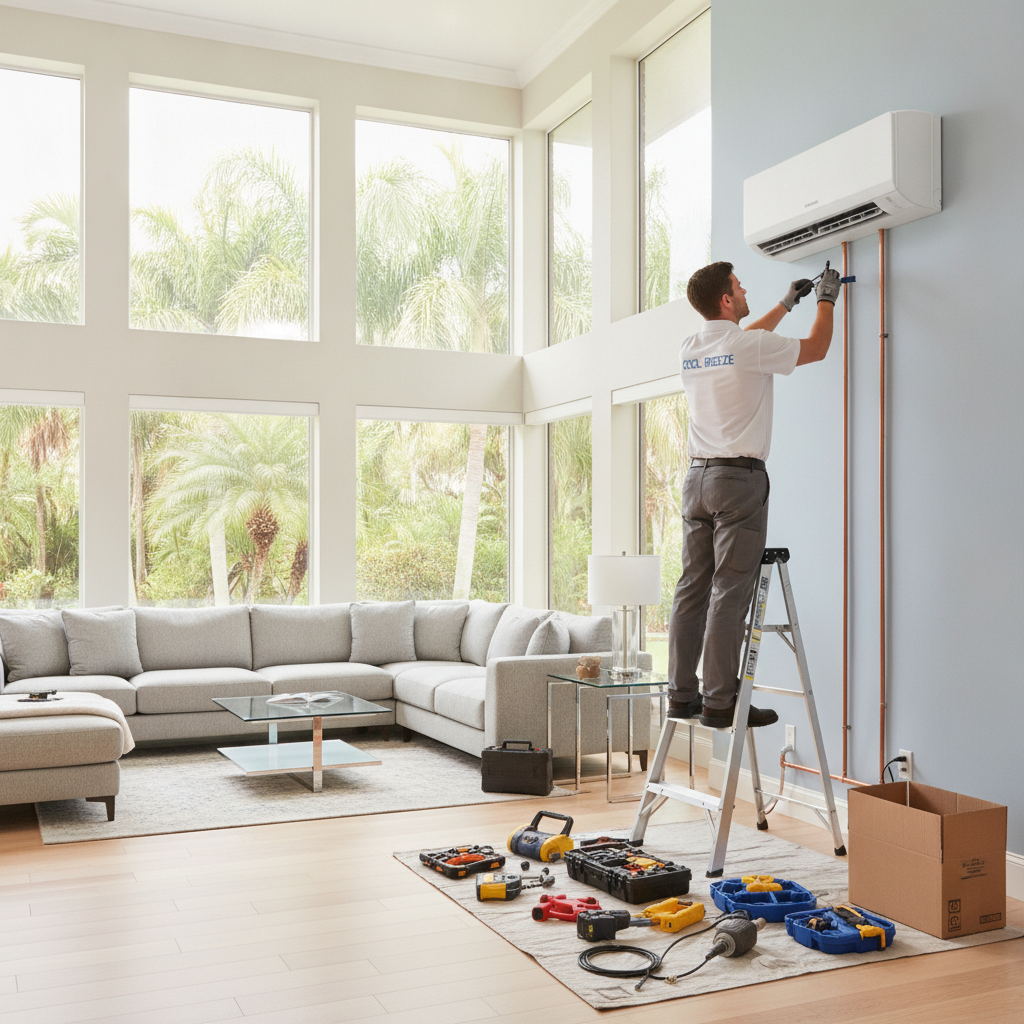
When the Florida heat is in full swing, having a reliable and efficient air conditioning system is more than a luxury, it’s a necessity. If you’re considering a new system, understanding what happens during a professional AC installation in Palm Harbor FL can help you make informed decisions and set realistic expectations. Whether you’re a small homeowner looking to keep your staff and customers comfortable, a developer outfitting a new property, or a resident upgrading your home’s comfort, the AC installation process is a major investment in your property’s future. This guide walks you through each stage, from the initial assessment to the final walkthrough, so you know exactly what to expect and how to prepare for a smooth, successful installation. Let’s dive in and explore how a professional approach can make all the difference for your cooling needs.
Preparing for Your AC Installation Day
Preparation is key to a seamless AC installation experience. Before your technician arrives, there are a few steps you can take to ensure the process goes smoothly. First, clear Palm Harbor around your existing air conditioning unit, both inside and outside. This allows the installation team easy access to the equipment and homes. Remove any fragile items, furniture, or obstacles that could impede movement or risk damage during the installation. If you have pets or young children, consider keeping them in a separate room for their safety and to minimize distractions.
Next, review your installation agreement and confirm the scheduled time. Professional installers typically provide a window for arrival, so plan your day accordingly. If your installation involves replacing an old unit, ask the team about their process for disposing of the old equipment, many companies offer haul-away services as part of the package.
It’s also a good idea to communicate any special considerations about your property, such as limited parking, gated access, or unique building features. This helps the crew prepare with the right tools and equipment. For businesses, notify staff and schedule installation during off-peak hours if possible to minimize disruption.
Finally, take a few minutes to jot down any questions or concerns you may have for the installation team. Open communication ensures that everyone is on the same page and that your specific needs are addressed. For trusted local expertise, consider reaching out to Nolan Air for guidance and support throughout the process.
Initial Assessment and Site Inspection
Once your installation team arrives, they’ll begin with a detailed site inspection. This step is crucial for ensuring the new AC system is properly matched to your space and that any potential challenges are identified upfront. The technician will evaluate the condition of your existing ductwork, electrical connections, and mounting surfaces. They’ll also measure the installation area to confirm the new unit will fit and operate efficiently.
During this assessment, expect the team to ask about your cooling preferences, any hot or cold spots you’ve noticed, and your energy efficiency goals. For businesses, they may inquire about hours of operation and occupancy patterns to recommend the most suitable system. The inspection also includes checking for code compliance and ensuring that all safety standards are met.
If any issues are discovered, such as damaged ductwork, outdated wiring, or insufficient insulation, the technician will discuss your options for addressing them. Sometimes, minor repairs or upgrades are necessary to ensure optimal performance and longevity of your new AC system. This proactive approach helps prevent future problems and maximizes your investment.
For more on determining the scope of your AC needs, see How to Tell Whether Your Palm Harbor AC Problem Is a Quick Fix or a Major Repair.
Understanding the Removal of Old Equipment
If you’re replacing an existing air conditioner, the removal of the old unit is a critical step. Professional installers follow strict guidelines to safely disconnect and dispose of outdated equipment. This process involves shutting off power to the system, carefully removing refrigerant according to environmental regulations, and detaching the unit from its electrical and duct connections.
Proper removal is important not only for safety but also for environmental responsibility. Refrigerants must be handled with care to prevent leaks that can harm the atmosphere. Reputable installation companies ensure that all materials are disposed of or recycled in accordance with local and federal guidelines.
Once the old unit is out, the team will inspect the space for any damage or debris that needs to be addressed before installing the new system. This is also an opportunity to upgrade or repair ductwork, insulation, or electrical components if needed. Removing the old equipment efficiently sets the stage for a smooth and successful installation of your new AC system.
For tips on troubleshooting cooling issues before your installer arrives, check out How to Troubleshoot a Tampa AC Breakdown Before the Technician Arrives.
Selecting the Right AC System for Your Needs
Choosing the best air conditioning system is a pivotal part of the installation process. The right unit will provide optimal comfort, energy efficiency, and longevity for your space. During the initial consultation, your installer will assess factors such as square footage, ceiling height, insulation quality, and the number of rooms to be cooled. They’ll also consider your preferences for features like programmable thermostats, zoning, and air purification.
Modern AC systems come in a variety of types, including central air, ductless mini-splits, and heat pumps. Each has unique advantages depending on your property’s layout and your cooling priorities. For example, ductless systems are ideal for spaces without existing ductwork or for targeted cooling in specific areas. Central air systems, on the other hand, offer whole-building comfort and are often preferred for larger homes and businesses.
Energy efficiency is another critical consideration. Look for units with high SEER (Seasonal Energy Efficiency Ratio) ratings, which indicate better performance and lower operating costs. Your installer can help you compare models and select a system that balances upfront investment with long-term savings. Don’t hesitate to ask about rebates, warranties, and maintenance plans that can add value to your purchase.
Ultimately, the right AC system is one that meets your comfort needs, fits your budget, and is sized correctly for your property. Professional guidance ensures you make a choice that will serve you well for years to come.
Step by Step: The Installation Process Unpacked
Once the site is prepped and the equipment is chosen, the actual installation begins. The process is methodical and designed to ensure safety, efficiency, and long-term performance. Here’s a step-by-step look at what to expect:
- Mounting the indoor and outdoor units in their designated locations.
- Connecting the system to the existing or new ductwork, ensuring airtight seals to prevent energy loss.
- Wiring the electrical components and integrating the thermostat or control system.
- Charging the system with refrigerant and checking for leaks.
- Testing the system to verify proper operation and airflow.
The installation team uses specialized tools and follows manufacturer guidelines at every step. Attention to detail is crucial, as even small errors can impact system efficiency or reliability. Throughout the process, the technicians will keep you informed of their progress and answer any questions you may have. Once installation is complete, they’ll perform a final walkthrough and demonstrate how to use your new system.
A professional installation not only ensures your AC system works as intended but also protects your investment by maintaining warranty coverage and meeting all code requirements.
Quality Checks and System Testing
After the new AC system is installed, quality checks and system testing are essential to confirm everything is working as it should. The installation team will conduct a series of tests, including verifying thermostat calibration, checking refrigerant levels, and ensuring all electrical connections are secure.
They’ll also measure airflow at different registers and inspect for any unusual noises or vibrations. These checks help catch minor issues before they become bigger problems. For businesses, the team may also assess system performance during typical operating hours to ensure consistent comfort throughout the home.
A critical part of this phase is educating you on how to operate your new system. The technician will walk you through the control panel, demonstrate how to adjust settings, and explain any maintenance tasks you should perform regularly. They’ll also provide documentation for your records, including warranty information and recommended service intervals.
Thorough testing and quality assurance give you peace of mind that your investment is performing at its best from day one.
Navigating Local Codes and Permits
Every community has its own building codes and permit requirements for HVAC installations. Professional installers are well-versed in these regulations and will handle the permitting process on your behalf. This ensures your new AC system is installed safely and legally, avoiding potential fines or complications down the road.
The permitting process typically involves submitting plans, scheduling inspections, and obtaining final approval from local authorities. Your installer will coordinate with inspectors and make any necessary adjustments to meet code requirements. This attention to detail protects your investment and ensures your system is up to standard.
For homeowners and developers, compliance is especially important when it comes to insurance and resale value. A properly permitted installation can streamline future property transactions and provide documentation for warranty claims. Don’t hesitate to ask your installer for copies of all permits and inspection reports for your records.
By entrusting the permitting process to professionals, you can focus on enjoying your new comfort system without the headache of navigating red tape.
Post Installation: What Happens Next?
Once your new AC system is up and running, the installation team will perform a final walkthrough to ensure your satisfaction. This is your opportunity to ask questions, request adjustments, and learn about ongoing maintenance. The technician will review the features of your new system, demonstrate how to change filters, and provide tips for maximizing efficiency.
You’ll also receive documentation outlining your warranty coverage, recommended maintenance schedules, and contact information for future service needs. Many companies offer follow-up visits or maintenance plans to help you keep your system in top shape. Take advantage of these services to extend the life of your investment and avoid unexpected breakdowns.
For homeowners, consider scheduling routine checkups during off-hours to minimize disruption. Developers should keep records of all installations for future reference and resale value. By staying proactive, you’ll enjoy reliable comfort and peace of mind for years to come.
Remember, a successful installation is just the beginning, ongoing care and attention ensure your system continues to deliver optimal performance.
Common Questions About AC Installation
Many property owners have questions about what to expect during the AC installation process. Here are some of the most common concerns and their answers:
- How long does installation take? Most residential installations are completed in a single day, but complex projects or commercial systems may require additional time.
- Will my property be left clean? Professional installers take care to protect your floors and furnishings, and they clean up thoroughly before leaving.
- What if something goes wrong after installation? Reputable companies offer warranties and stand behind their work, providing prompt service if issues arise.
- Can I use my old thermostat? In many cases, yes, but upgrading to a new programmable or smart thermostat can enhance comfort and efficiency.
- Do I need to be present during installation? It’s recommended to be available for the initial walkthrough and final inspection, but you don’t need to supervise the entire process.
If you have specific concerns or unique circumstances, discuss them with your installer before the project begins. Clear communication ensures a smooth experience and helps set realistic expectations.
Comparing DIY vs. Professional AC Installation
With the abundance of online tutorials and DIY resources, some property owners consider installing their own AC systems. While DIY projects can be rewarding, AC installation is a complex task that requires specialized knowledge, tools, and adherence to safety codes. Mistakes can lead to costly repairs, voided warranties, and even safety hazards.
Professional installers bring years of experience and are trained to handle every aspect of the job, from system sizing to code compliance. They have access to advanced diagnostic tools and are equipped to troubleshoot unexpected challenges. Most importantly, professional installation ensures your system is covered by manufacturer warranties and meets all legal requirements.
Here’s a quick comparison of DIY vs. professional installation:
| Aspect | DIY Installation | Professional Installation |
|---|---|---|
| Skill Level Required | High (HVAC expertise needed) | Certified technicians |
| Time Commitment | Several days or more | Typically 1 day |
| Warranty Coverage | Often voided | Manufacturer-backed |
| Code Compliance | May be missed | Guaranteed |
| Long-Term Reliability | Uncertain | High |
While DIY may seem cost-effective upfront, professional installation delivers lasting value, safety, and peace of mind.
Maximizing Efficiency and Comfort After Installation
Getting the most from your new AC system doesn’t end on installation day. There are several steps you can take to maximize efficiency, comfort, and system lifespan. First, set your thermostat to a reasonable temperature and use programmable features to adjust settings based on your schedule. This avoids unnecessary energy use when the building is unoccupied.
Regular maintenance is key. Change or clean filters as recommended, and schedule professional tune-ups at least once a year. Keep outdoor units clear of debris and ensure that vents and registers remain unobstructed. For businesses, consider implementing a maintenance log to track service dates and performance metrics.
If you notice uneven cooling, unusual noises, or spikes in your energy bill, contact your installer promptly. Addressing small issues early can prevent larger problems and keep your system running smoothly. Many installation companies offer maintenance plans that include priority service and discounts on repairs, providing added value and convenience.
By taking a proactive approach, you’ll enjoy reliable comfort and lower operating costs for years to come.
Final Thoughts
Investing in a professional AC installation in Palm Harbor is a smart move for comfort, efficiency, and peace of mind. From the initial assessment to the final walkthrough, each step is designed to ensure your new system delivers reliable performance tailored to your needs. By choosing experienced installers, you benefit from expert guidance, code compliance, and long-term support. Whether you’re a homeowner, developer, or resident, understanding the process empowers you to make informed decisions and get the most from your investment. Stay proactive with maintenance and enjoy the cool, comfortable environment your new AC system provides for years to come.