
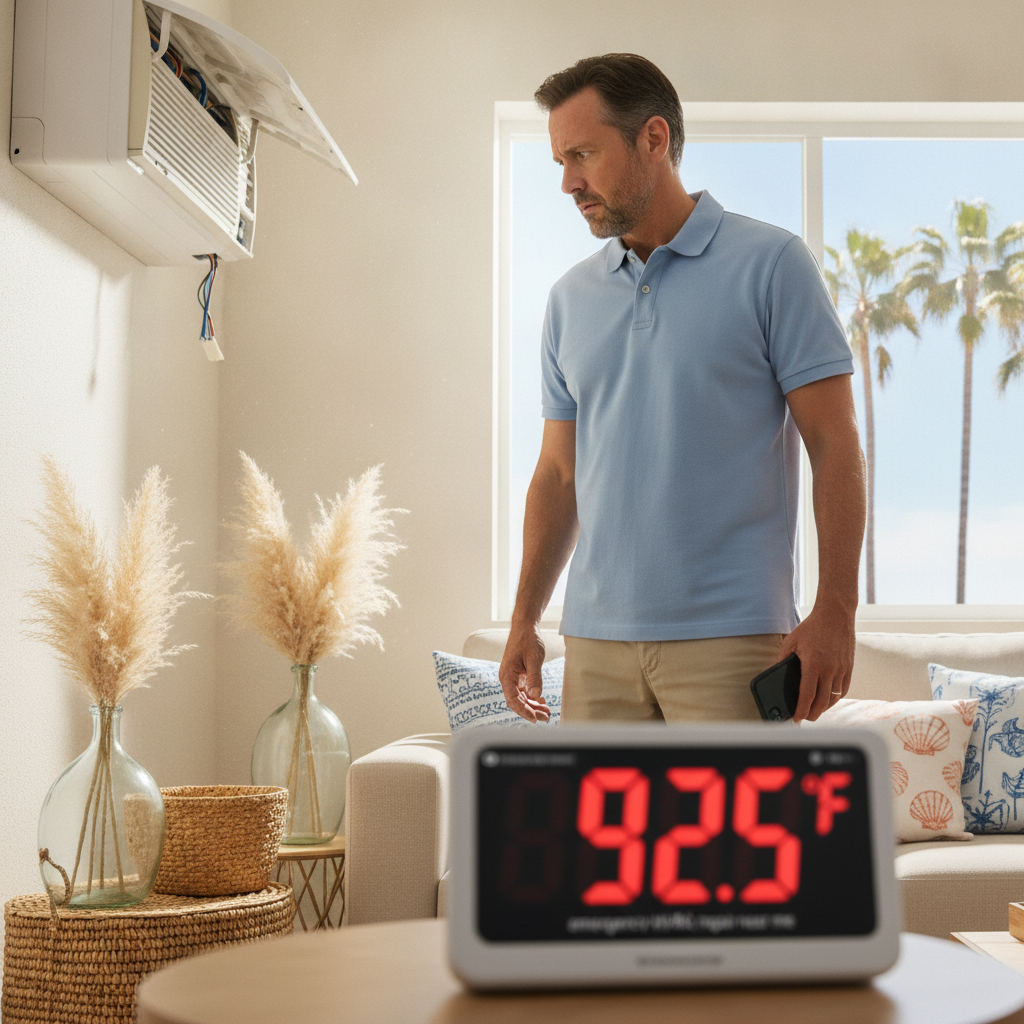
When the summer heat hits hard, a sudden air conditioning failure can quickly turn from an inconvenience into a full-blown emergency. For small homeowners, developers managing properties, and residents alike, knowing when to call for immediate AC repair service is crucial for comfort, safety, and even business continuity. AC Repair Tampa FL is more than just a search term, it’s a lifeline when your cooling system goes down at the worst possible moment. But how do you know if your AC issue is urgent, and what steps should you take before help arrives? In this comprehensive guide, we’ll break down the warning signs, explore the most common causes of AC emergencies, and provide actionable advice for protecting your property and peace of mind. Whether you’re managing a busy storefront, overseeing rental units, or simply trying to keep your home cool, understanding emergency AC repair can save you time, money, and a lot of stress.
Recognizing True AC Emergencies
Not every air conditioning problem requires an urgent call for help, but some situations demand immediate attention. The difference between a minor inconvenience and a critical issue often comes down to safety, property protection, and the risk of escalating damage. For example, if your AC unit suddenly stops working during a heatwave, indoor temperatures can rise rapidly, posing health risks, especially for children, seniors, and those with medical conditions. Likewise, strange burning smells, electrical sparks, or smoke are clear indicators of a potentially dangerous malfunction. Water pooling around the unit, while sometimes less urgent, can still lead to property damage or mold growth if not addressed quickly.
For homeowners, a non-functioning AC system can mean lost customers, unhappy household, or even product spoilage. In these cases, waiting for regular business hours is simply not an option. Understanding the signs of a true emergency, such as complete system failure, electrical hazards, or rapid temperature spikes, can help you prioritize your response and avoid unnecessary downtime. If you’re ever unsure, it’s better to err on the side of caution and consult a professional like Nolan Air for expert guidance.
- Sudden loss of cooling during extreme heat
- Unusual noises, burning smells, or smoke
- Repeated tripping of circuit breakers
- Water leaks threatening property or equipment
- Vulnerable occupants at risk from high temperatures
Recognizing these warning signs early can make the difference between a quick fix and a costly disaster. Don’t ignore symptoms that seem out of the ordinary, addressing them promptly is always the best policy.
Common Causes of Sudden AC Failure
Understanding what typically causes an air conditioner to break down without warning can help you respond more effectively when trouble strikes. While some failures are due to age or wear, others stem from preventable issues. One of the most frequent culprits is electrical failure, blown fuses, faulty wiring, or tripped breakers can all shut down your system in an instant. Another common cause is a frozen evaporator coil, which may result from restricted airflow or low refrigerant. When this happens, the AC can no longer cool effectively and may eventually stop working altogether.
Clogged condensate drains, dirty filters, and malfunctioning thermostats also rank high on the list of sudden AC failures. In commercial spaces, overloaded systems working overtime to cool large or poorly insulated areas can be especially prone to breakdowns. Environmental factors, such as power surges or storm damage, can also play a role in unexpected outages. If you notice water leaking from your AC, it could be a sign of a blocked drain or refrigerant issue, both of which require prompt attention. For a detailed look at why leaks demand urgent action, check out Why Your Palm Harbor AC Is Leaking Water and Why It Needs Emergency Attention.
- Electrical faults (blown fuses, tripped breakers)
- Frozen coils due to airflow or refrigerant issues
- Clogged drains leading to water leaks
- Dirty or blocked air filters
- Thermostat malfunctions
- Environmental damage (storms, surges)
Knowing these common causes can help you communicate more effectively with your repair technician and possibly prevent future emergencies through regular maintenance.
Steps to Take Before the Technician Arrives
When your AC suddenly stops working, it’s easy to panic, especially during a heatwave or busy workday. However, taking a few practical steps before the technician arrives can make a big difference in both safety and the speed of the repair. First, check your thermostat settings to ensure the system is set to “cool” and the temperature is below the current room temperature. Next, inspect your circuit breaker panel for any tripped breakers, resetting them may restore power if the issue was minor. If you see water pooling around the unit, turn off the system to prevent further damage and mop up any standing water to protect flooring or equipment.
For homeowners, notify staff and customers about the situation and, if possible, move sensitive products or electronics to cooler areas. If you suspect an electrical issue, do not attempt to fix it yourself, wait for a licensed technician. Make a note of any unusual sounds, smells, or recent changes in system performance, as this information will help your repair professional diagnose the problem faster. For more detailed troubleshooting tips, visit How to Troubleshoot a Tampa AC Breakdown Before the Technician Arrives.
- Double-check thermostat settings and batteries
- Inspect circuit breakers and reset if needed
- Turn off the AC if you see water or smell burning
- Document any unusual symptoms for the technician
- Communicate with staff or residents about the situation
Taking these steps can help minimize damage, speed up repairs, and keep everyone safe while you wait for professional help.
How High Temperatures Impact AC Emergencies
Extreme heat isn’t just uncomfortable, it can turn a minor AC problem into a serious emergency. During the hottest months, air conditioners work overtime to keep indoor environments cool. If your system fails during a heatwave, temperatures inside can rise quickly, creating hazardous conditions for vulnerable individuals and sensitive equipment. For businesses, this means not only discomfort for staff and customers but also potential losses if products spoil or electronic devices overheat.
High outdoor temperatures also increase the strain on AC components, making them more likely to fail under pressure. Compressors, motors, and electrical circuits are all at risk of overheating, especially if the system hasn’t been maintained regularly. In these conditions, even a short period without cooling can be dangerous, underscoring the importance of fast, professional emergency repair. Proactive steps, such as closing blinds, using fans, and limiting heat-generating activities, can help manage indoor temperatures until help arrives.
- Rapid indoor temperature rise increases health risks
- Sensitive electronics and products can be damaged
- Overworked AC systems are more prone to breakdowns
- Quick response is critical for safety and comfort
Understanding the impact of high temperatures can help you prioritize emergency repairs and take steps to protect your property and well-being.
When to Call for Immediate AC Service in Tampa
Deciding when to call for emergency AC service isn’t always straightforward. While some issues can wait for a standard appointment, others require immediate attention. If your cooling system stops working during extreme heat, if you notice electrical hazards, or if water is leaking and threatening your property, don’t hesitate to call a qualified technician. The same goes for persistent strange noises, burning smells, or repeated circuit breaker trips. These symptoms can indicate serious underlying problems that may worsen if left unaddressed.
For homeowners, any AC failure that disrupts operations or endangers inventory should be treated as urgent. In multi-unit properties, a single malfunctioning system can affect multiple tenants, making a fast response essential. If you’re unsure whether your situation qualifies as an emergency, consider the potential risks to health, property, and business continuity. When in doubt, it’s always safer to consult a local expert who can assess the urgency and recommend the best course of action.
- Complete loss of cooling during a heatwave
- Visible electrical issues or burning odors
- Water leaks threatening property or equipment
- Business interruptions or product risks
- Multiple tenants affected by a single AC failure
Timely action can prevent minor malfunctions from becoming major emergencies, protecting both your comfort and your investment.
The Role of Preventive Maintenance in Avoiding Emergencies
While emergencies can strike unexpectedly, many AC breakdowns are preventable with regular maintenance. Scheduling routine inspections and tune-ups helps catch small issues before they escalate into urgent problems. Technicians can identify worn components, clean coils and filters, check refrigerant levels, and ensure electrical connections are secure. For homeowners and property managers, a preventive maintenance plan can mean the difference between uninterrupted comfort and costly downtime.
Regular maintenance also extends the lifespan of your system, improves energy efficiency, and reduces the likelihood of surprise failures during peak usage. For those managing multiple properties or commercial spaces, establishing a maintenance calendar and keeping detailed records can streamline service and help you budget for future repairs or replacements. Investing in preventive care is one of the most effective ways to minimize the risk of emergency AC repairs.
- Early detection of worn or failing components
- Improved system efficiency and lower energy bills
- Reduced risk of unexpected breakdowns
- Longer lifespan for your AC system
Don’t wait for a crisis, make preventive maintenance a priority to keep your cooling system running reliably all year round.
What to Expect During an Emergency AC Repair Visit
When you call for emergency AC repair, knowing what to expect can help you prepare and reduce stress. Most reputable HVAC companies offer rapid response times, often with 24/7 availability for urgent situations. Upon arrival, the technician will assess the system, diagnose the problem, and discuss recommended repairs with you. Be prepared to provide details about the issue, including when it started, any unusual symptoms, and steps you’ve already taken.
Depending on the severity of the problem, repairs may be completed on the spot or require additional parts and follow-up visits. The technician should explain your options clearly, including costs and timelines, so you can make informed decisions. For homeowners, minimizing downtime is often a top priority, and experienced technicians will work efficiently to restore cooling as quickly as possible. After the repair, you’ll receive guidance on preventing future issues and maintaining your system for optimal performance.
- Prompt arrival and system assessment
- Clear explanation of the problem and solutions
- Efficient repairs to restore cooling quickly
- Advice on future maintenance and care
Understanding the repair process helps set expectations and ensures a smoother experience during a stressful time.
Protecting Your home or Property During an AC Crisis
For homeowners and property managers, an AC emergency can have far-reaching consequences beyond discomfort. High temperatures can damage inventory, disrupt operations, and even force temporary closures. To protect your assets, it’s important to have a contingency plan in place. Identify critical areas that require cooling, such as server rooms, refrigerated storage, or customer-facing spaces, and consider temporary solutions like portable fans or spot coolers.
Communicate promptly with staff, tenants, or customers about the situation and expected timelines for repairs. Move sensitive equipment or products to cooler areas if possible, and monitor indoor temperatures closely. For rental properties, keeping tenants informed and responding quickly to AC emergencies can help maintain positive relationships and avoid potential legal issues. Proactive planning and clear communication are key to minimizing the impact of an unexpected cooling system failure.
- Identify and prioritize critical cooling zones
- Have backup cooling options ready
- Keep all stakeholders informed
- Monitor for secondary risks (water damage, overheating)
A well-prepared response can make all the difference in safeguarding your property and business reputation during an AC emergency.
Comparing Emergency and Standard AC Repair Services
Understanding the differences between emergency and standard AC repair services can help you make informed decisions when trouble arises. Emergency services are designed for situations where immediate action is required to protect health, safety, or property. These services typically offer faster response times, after-hours availability, and priority scheduling. However, they may also come with higher costs due to the urgency and need for overtime labor or expedited parts.
Standard repair services, on the other hand, are scheduled during regular business hours and are best suited for non-urgent issues. While you may save on costs, you’ll need to wait for the next available appointment, which may not be ideal during extreme weather or when business operations are at risk. Knowing when to opt for emergency service versus waiting for a standard repair can help you balance cost, convenience, and risk.
| Service Type | Response Time | Availability | Typical Cost | Best For |
|---|---|---|---|---|
| Emergency Repair | Within hours | 24/7, including nights and weekends | Higher (due to urgency) | Critical issues, health/safety risks, business continuity |
| Standard Repair | Next available appointment | Business hours only | Lower (standard rate) | Non-urgent issues, maintenance, minor repairs |
Weighing the urgency of your situation against the costs and benefits of each service type will help you choose the right solution for your needs.
Choosing a Reliable Emergency AC Repair Provider
Selecting the right emergency AC repair provider is essential for fast, effective service when you need it most. Look for companies with a strong local reputation, proper licensing and insurance, and a proven track record of prompt response times. Reading reviews and asking for recommendations from fellow homeowners or neighbors can help you identify trustworthy professionals in your area.
It’s also important to verify that the provider offers true emergency service, not just extended hours. Ask about their response time guarantees, availability of parts, and experience with your specific type of AC system. For commercial properties or multi-unit buildings, choose a provider familiar with larger or more complex systems. Establishing a relationship with a reliable repair company before an emergency occurs can save valuable time and stress down the road.
- Check for proper licensing and insurance
- Look for strong local reviews and recommendations
- Confirm true 24/7 emergency availability
- Ask about experience with your AC system type
- Establish a service relationship before you need it
A dependable emergency AC repair provider is a valuable partner in protecting your comfort, property, and business operations.
Final Thoughts
When your cooling system fails unexpectedly, knowing when and how to call for emergency AC repair can make all the difference in protecting your property, business, and well-being. By recognizing the warning signs, understanding the most common causes of failure, and taking proactive steps before the technician arrives, you can minimize downtime and avoid costly damage. High temperatures, vulnerable occupants, and sensitive equipment all raise the stakes during an AC emergency, making a fast response essential. Remember, regular preventive maintenance is your best defense against surprise breakdowns, and having a trusted repair provider on speed dial ensures you’re never left in the lurch. Whether you’re a small homeowner, property manager, or resident, staying prepared and informed puts you in control, no matter how hot it gets outside.