
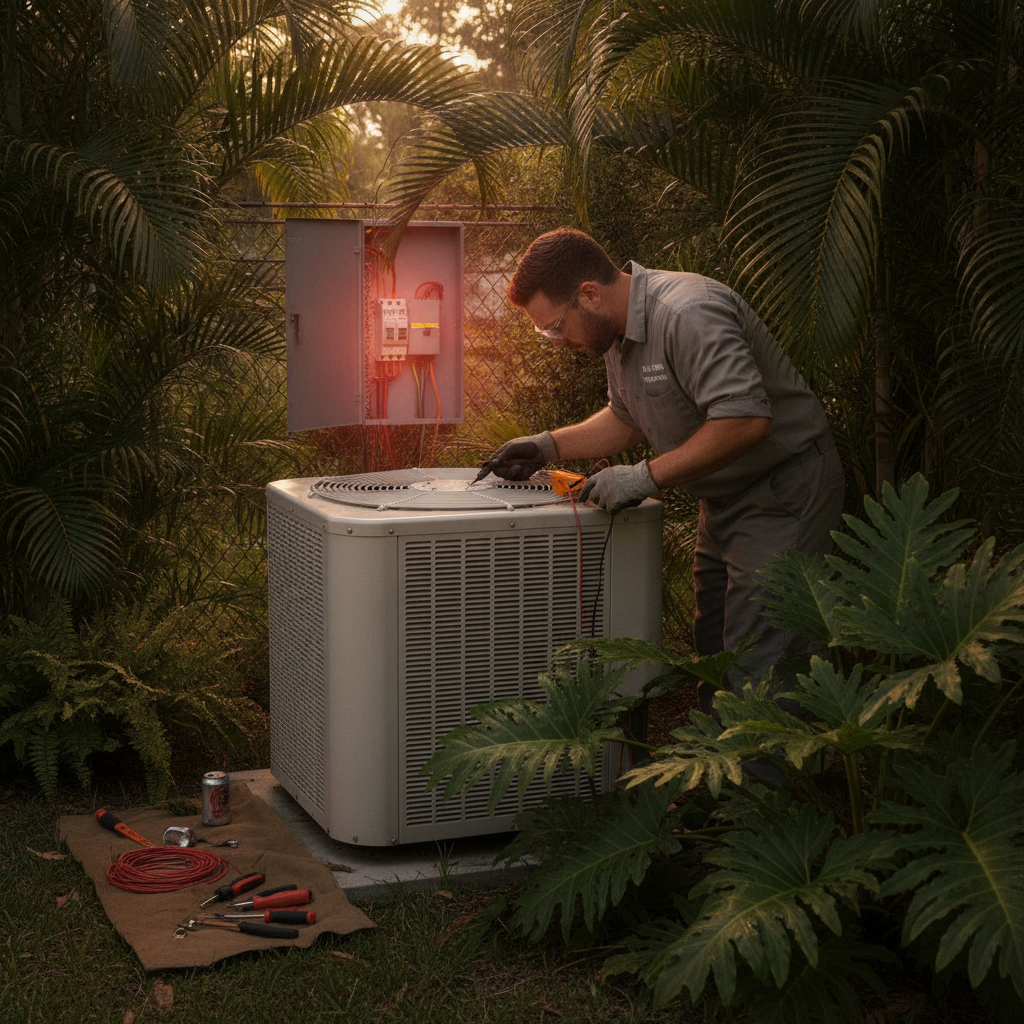
Few things are more frustrating than having your air conditioner suddenly stop working on a sweltering day, only to discover the breaker has tripped, again. For small homeowners, developers, and residents alike, a tripped AC breaker can mean lost productivity, discomfort, and even potential equipment damage. If you’re searching for answers about emergency AC repair Tampa FL, you’re not alone. Understanding why your cooling system keeps shutting off at the breaker is key to preventing bigger problems, saving money, and restoring comfort quickly. In this article, we’ll break down the most common causes, what you can do before calling a pro, and how to avoid future emergencies. Whether you’re a hands-on property manager or just want to be prepared for the next heatwave, this guide will help you get to the root of persistent AC breaker issues and know when it’s time to call in the experts.
Understanding How Your AC and Breaker Work Together
To get to the heart of why an air conditioner keeps tripping the breaker, it helps to know how these two systems interact. Your AC unit draws a significant amount of electrical current, especially when it first starts up. The breaker is designed as a safety device, shutting off power if the current exceeds safe levels. This protects your wiring and equipment from overheating or catching fire. In most setups, the air conditioner is on its own dedicated circuit, separate from other appliances, to handle its heavy load.
When everything works as it should, the breaker remains on and your AC cools the space efficiently. But if there’s a problem, like a short circuit, overloaded compressor, or faulty component, the breaker will trip to prevent further damage. This is a critical safety feature, but frequent tripping signals an underlying issue that needs attention. Ignoring it can lead to bigger, costlier repairs or even pose a fire risk.
If you’re experiencing repeated breaker trips, it’s a sign to investigate further or reach out to trusted professionals like Nolan Air for a thorough inspection. Understanding the interplay between your breaker and AC helps you spot trouble early and take the right steps to keep your system running safely.
Common Electrical Issues That Cause Breaker Trips
Electrical problems are among the top reasons air conditioners trip breakers. These issues can range from minor wiring faults to major component failures. One frequent culprit is a short circuit, which occurs when wires touch or insulation breaks down, causing a surge of electricity. This sudden spike is detected by the breaker, which shuts off power to prevent overheating or fire.
Another common issue is a ground fault, where electrical current escapes its intended path and flows into the ground. This can happen due to moisture, damaged insulation, or faulty wiring, and is especially risky in humid environments. Over time, loose connections or corroded terminals can also increase resistance, forcing your AC to draw more current and trip the breaker.
If your breaker trips every time the AC starts, it could indicate a problem with the compressor or the start capacitor. These components require a large jolt of electricity to get going, and if they’re failing, they can overload the circuit. In such cases, it’s wise to consult a professional before attempting any repairs yourself. For more on selecting the right equipment for your space, check out Choosing the Right AC Size for Your Palm Harbor Home.
How Dirty Filters and Coils Lead to Overheating
Many people are surprised to learn that something as simple as a dirty air filter or clogged evaporator coil can cause their air conditioner to trip the breaker. When airflow is restricted, your AC has to work much harder to cool your space. This extra strain can cause the blower motor or compressor to overheat, drawing more current than the circuit can handle.
A blocked filter prevents proper air circulation, causing the evaporator coil to freeze. When the ice melts, it can drip onto electrical components, increasing the risk of a short circuit. Similarly, dirty coils reduce the system’s efficiency, making it run longer and hotter than it should. Over time, this can wear out motors and cause the breaker to trip repeatedly.
Regular maintenance, such as changing filters every month during peak season and cleaning coils annually, can prevent these issues. If you’re unsure about the condition of your system or need help with a sudden breakdown, learn more about What to Expect During a Same-Day AC Repair Visit in Tampa, FL.
The Role of Refrigerant Levels in Breaker Trips
Low or leaking refrigerant is another factor that can cause your air conditioner to trip the breaker. When refrigerant levels drop, the system loses its ability to absorb and transfer heat efficiently. As a result, the compressor works overtime, running hotter and longer in an attempt to cool your space. This excessive strain can push the electrical circuit past its limits, triggering the breaker.
Signs of low refrigerant include weak airflow, ice buildup on the coils, and longer cooling cycles. If you notice these symptoms, it’s important to have a qualified technician check for leaks and recharge the system. Attempting to add refrigerant on your own can be dangerous and may void your warranty. Proper refrigerant levels not only prevent breaker trips but also keep your AC running efficiently and extend its lifespan.
Regular inspections can catch refrigerant issues before they escalate, helping you avoid costly repairs and uncomfortable downtime. If you suspect a leak, act quickly to protect your system and maintain a comfortable environment for household and customers alike.
Compressor Problems and Their Impact on Your Electrical System
The compressor is often referred to as the heart of your air conditioning system. It’s responsible for circulating refrigerant and maintaining the cooling cycle. When the compressor starts to fail, it can draw excessive current, especially during startup. This high demand can easily trip the breaker, especially if the compressor is locked up or the start capacitor is faulty.
Common signs of compressor trouble include loud noises, hard starts, and frequent breaker trips. In some cases, the compressor may overheat and shut down to protect itself, only to repeat the cycle once it cools. If left unchecked, a failing compressor can damage other components and lead to a complete system breakdown.
Addressing compressor issues early can save you from expensive emergency repairs. If your AC is older or has a history of electrical problems, regular inspections are essential. Technicians can test the compressor’s electrical draw and recommend replacement before it causes further damage. Protect your investment by staying proactive with maintenance and repairs.
Why Oversized or Undersized AC Units Cause Breaker Issues
Choosing the right size air conditioner for your space is critical, not just for comfort, but for electrical safety as well. An oversized AC unit will cycle on and off more frequently, creating power surges that can trip the breaker. On the other hand, an undersized unit will run continuously, potentially overheating the system and overloading the circuit.
Improper sizing can also lead to uneven cooling, higher energy bills, and premature wear on your equipment. For homeowners and developers, this can mean increased maintenance costs and reduced reliability. Working with a qualified HVAC professional ensures your system is properly matched to your building’s needs, preventing many common electrical issues.
If you suspect your AC isn’t the right size for your space, consider having a load calculation performed. This assessment takes into account factors like square footage, insulation, and occupancy to recommend the ideal system. Proper sizing not only prevents breaker trips but also maximizes comfort and efficiency year-round.
Environmental Factors That Contribute to Breaker Tripping
The local climate and environment can have a significant impact on your air conditioner’s performance and electrical safety. High humidity, salt air, and frequent storms in this region can accelerate wear and tear on electrical components. Moisture can seep into wiring and connections, increasing the risk of shorts and ground faults. Debris from storms or landscaping can also clog outdoor units, reducing airflow and causing the system to overheat.
Additionally, power fluctuations during storms or periods of high demand can stress your AC unit and breaker. Installing surge protectors and keeping outdoor units clear of debris can help mitigate these risks. Regular maintenance is especially important in areas prone to extreme weather, as it helps identify and address potential problems before they lead to emergency repairs.
Being aware of how environmental factors affect your system allows you to take proactive steps, such as scheduling seasonal inspections and investing in protective equipment. This approach not only prevents breaker trips but also extends the life of your air conditioner.
DIY Troubleshooting Steps Before Calling for Help
If your AC breaker trips, there are a few safe steps you can take before calling in a professional. First, turn off the air conditioner and reset the breaker. If it trips again immediately, leave it off and seek expert assistance. Next, check your air filter and replace it if it’s dirty. Inspect the outdoor unit for debris or obstructions that could restrict airflow. Ensure all vents inside your property are open and unblocked.
You can also check your thermostat settings to make sure they’re appropriate for the season. Sometimes, setting the temperature too low can cause the system to run excessively, overloading the circuit. If you have access to the electrical panel, look for signs of damage, such as scorch marks or a burning smell, which indicate a serious issue.
Never attempt to repair wiring or open electrical panels unless you are qualified to do so. If simple fixes don’t resolve the problem, it’s time to call a licensed HVAC technician. Prompt attention can prevent further damage and restore comfort quickly.
When to Call for Emergency AC Repair
Not every breaker trip is an emergency, but certain warning signs should prompt you to call for immediate help. If the breaker trips repeatedly, especially after resetting, or if you notice burning smells, smoke, or unusual noises from your AC unit, shut off the system and contact a professional right away. These symptoms can indicate serious electrical faults that pose a risk to your property and safety.
Other red flags include water pooling around the unit, visible sparks, or a complete loss of cooling during extreme heat. For businesses, a malfunctioning AC can disrupt operations and impact customer comfort. Emergency AC repair services are equipped to diagnose and resolve these issues quickly, minimizing downtime and preventing further damage.
Keep the contact information of a trusted local HVAC company handy so you can act fast when problems arise. Quick response is key to protecting your investment and maintaining a safe, comfortable environment for everyone in your building.
Preventive Maintenance Tips to Avoid Future Breaker Trips
Preventive maintenance is your best defense against unexpected AC shutdowns and breaker trips. Schedule professional tune-ups at least once a year, ideally before the cooling season begins. During these visits, technicians will clean coils, check refrigerant levels, inspect electrical connections, and test system performance. These steps catch small problems before they become major headaches.
In addition to professional service, change your air filter regularly, monthly during high-use periods. Keep Tampa around your outdoor unit clear of leaves, grass, and debris. Check for signs of wear on wiring and insulation, and address any issues promptly. If your building experiences frequent power surges, consider installing a whole-house surge protector to shield your AC and other sensitive equipment.
Educate household or tenants about the importance of reporting unusual noises, odors, or performance changes. Early detection and routine care can dramatically reduce the risk of emergency repairs and extend the life of your air conditioning system.
Comparing Breaker Trip Causes: Quick Reference Table
| Cause | How It Trips the Breaker | Prevention Tip |
|---|---|---|
| Short Circuit | Creates a sudden surge in current, forcing the breaker to shut off power. | Have wiring inspected regularly. |
| Dirty Filter/Coils | Restricts airflow, causing overheating and excess current draw. | Change filters and clean coils often. |
| Low Refrigerant | Compressor works harder, drawing more current and tripping the breaker. | Check for leaks and recharge as needed. |
| Compressor Failure | Draws excessive power, especially at startup. | Schedule regular inspections. |
| Improper Sizing | Causes frequent cycling or continuous running, overloading the circuit. | Get a professional load calculation. |
| Environmental Factors | Moisture, debris, or surges can trigger electrical faults. | Keep units clear and install surge protection. |
Final Thoughts
Dealing with an air conditioner that keeps tripping the breaker can be stressful, especially when comfort and productivity are on the line. By understanding the most common causes, from electrical faults and dirty filters to environmental factors and improper sizing, you can take proactive steps to prevent emergencies and keep your cooling system running smoothly. Remember, regular maintenance is your best defense against unexpected shutdowns, and knowing when to call for emergency AC repair in Tampa FL can save you time, money, and hassle. Stay vigilant, address small issues before they escalate, and partner with trusted professionals to ensure your air conditioner delivers reliable comfort all season long.