
If you’ve ever walked into your home or home on a sweltering day and noticed your air conditioner just isn’t delivering the cool, refreshing air you expect, you’re not alone. Weak airflow is a common but often overlooked warning sign that your AC system might be heading for trouble, especially in a climate like ours. For small homeowners, developers, and residents, understanding what causes poor airflow and how it relates to AC Repair Palm Harbor FL can help you avoid costly breakdowns and keep your space comfortable year-round. In this guide, we’ll break down what weak airflow means, why it’s more than just a comfort issue, and how you can spot early signs before they become emergencies. Whether you manage a busy office, oversee multiple properties, or simply want to keep your family cool, knowing how to recognize and respond to airflow issues can save you time, money, and stress. Let’s explore the real reasons behind weak airflow, how it impacts your AC’s performance, and what you can do about it, before your system calls it quits on the hottest day of the year.
Why Weak Airflow Should Never Be Ignored
Weak airflow from your air conditioning vents isn’t just a minor annoyance, it’s a red flag that something deeper could be wrong with your cooling system. Many people brush off gentle or inconsistent air as a sign that the unit is just aging or that it’s a particularly hot day. However, diminished airflow is often the first symptom of an underlying issue that, if left unchecked, can lead to major system failures or even a complete AC breakdown.
When your AC can’t push enough air through the ducts, it struggles to maintain the set temperature. This means your system runs longer, works harder, and uses more energy, all while delivering less comfort. For homeowners, this can translate to uncomfortable household, unhappy customers, and even lost productivity. For homeowners, it means restless nights and rising energy bills.
Ignoring weak airflow can also mask more severe problems like blocked ducts, failing blower motors, or refrigerant issues. Over time, these problems can snowball, causing more extensive damage and higher repair costs. That’s why it’s crucial to address airflow concerns as soon as they arise, rather than waiting for a complete system failure. If you’re unsure where to start, reaching out to a trusted local expert like Nolan Air can help you diagnose and resolve airflow issues before they become emergencies.
Common Causes of Poor AC Airflow
Several factors can contribute to weak airflow in your AC system, and understanding these can help you pinpoint the root of the problem. One of the most frequent culprits is a clogged or dirty air filter. When filters are blocked, they restrict the flow of air, making it difficult for your system to circulate cool air throughout your space.
Another common issue is blocked or leaky ductwork. Over time, dust, debris, or even pests can accumulate in your ducts, creating obstructions that limit airflow. In some cases, ducts can develop leaks, allowing cool air to escape before it reaches its intended destination. This not only reduces comfort but also forces your AC to work overtime, increasing wear and tear.
Mechanical problems like failing blower motors or malfunctioning fans can also lead to diminished airflow. These components are responsible for pushing air through the system, and when they’re not functioning properly, the entire AC unit suffers. Electrical issues, thermostat malfunctions, or even improper system sizing can further complicate matters.
If you notice unusual smells or sounds along with weak airflow, it could indicate a more urgent problem. For more on how burning smells and electrical hazards relate to airflow issues, check out Emergency AC Repair in Palm Harbor: What Burning Smells and Electrical Hazards Mean.
How to Diagnose Airflow Problems in Your AC System
Diagnosing weak airflow isn’t always straightforward, but there are several steps you can take to get to the bottom of the issue. Start by checking your air filters. If they’re visibly dirty or have not been changed in a while, replace them and see if airflow improves. Next, inspect your vents and registers to ensure they’re open and unobstructed by furniture, curtains, or other items.
If the problem persists, listen for unusual noises coming from your AC unit or ductwork. Rattling, banging, or whistling sounds can signal mechanical or airflow issues. You should also check for hot or cold spots in your building, which may indicate uneven airflow or duct leaks.
For a more thorough assessment, consider using a handheld anemometer to measure the airflow at each vent. This can help you identify specific areas where airflow is weakest. If you’re still unsure whether your AC problem is a quick fix or a major repair, visit How to Tell Whether Your Palm Harbor AC Problem Is a Quick Fix or a Major Repair for more guidance.
The Impact of Weak Airflow on Comfort and Productivity
Weak airflow doesn’t just affect the temperature in your space, it can have a ripple effect on comfort, productivity, and even health. In commercial settings, inconsistent cooling can make it difficult for household to concentrate, leading to decreased efficiency and morale. Customers may also notice if your home feels stuffy or uncomfortable, which can impact their overall experience and willingness to return.
For homeowners, poor airflow can create uneven cooling, resulting in some rooms being too warm while others remain chilly. This often leads to thermostat battles and higher energy bills, as the system works overtime to compensate for the lack of circulation. In some cases, weak airflow can also contribute to increased humidity levels, which can promote mold growth and worsen allergies or respiratory issues.
Addressing airflow issues promptly is essential for maintaining a comfortable, healthy, and productive environment. Whether you’re running a business or managing a household, don’t underestimate the importance of consistent, strong airflow from your AC system.
How Local Climate Factors Affect AC Airflow
The local climate plays a significant role in how your AC system performs, especially when it comes to airflow. In humid regions, moisture can accumulate in your ducts and filters, leading to clogs and reduced efficiency. Salt air and coastal conditions can also accelerate corrosion in metal components, including fans and blower motors, which can further restrict airflow.
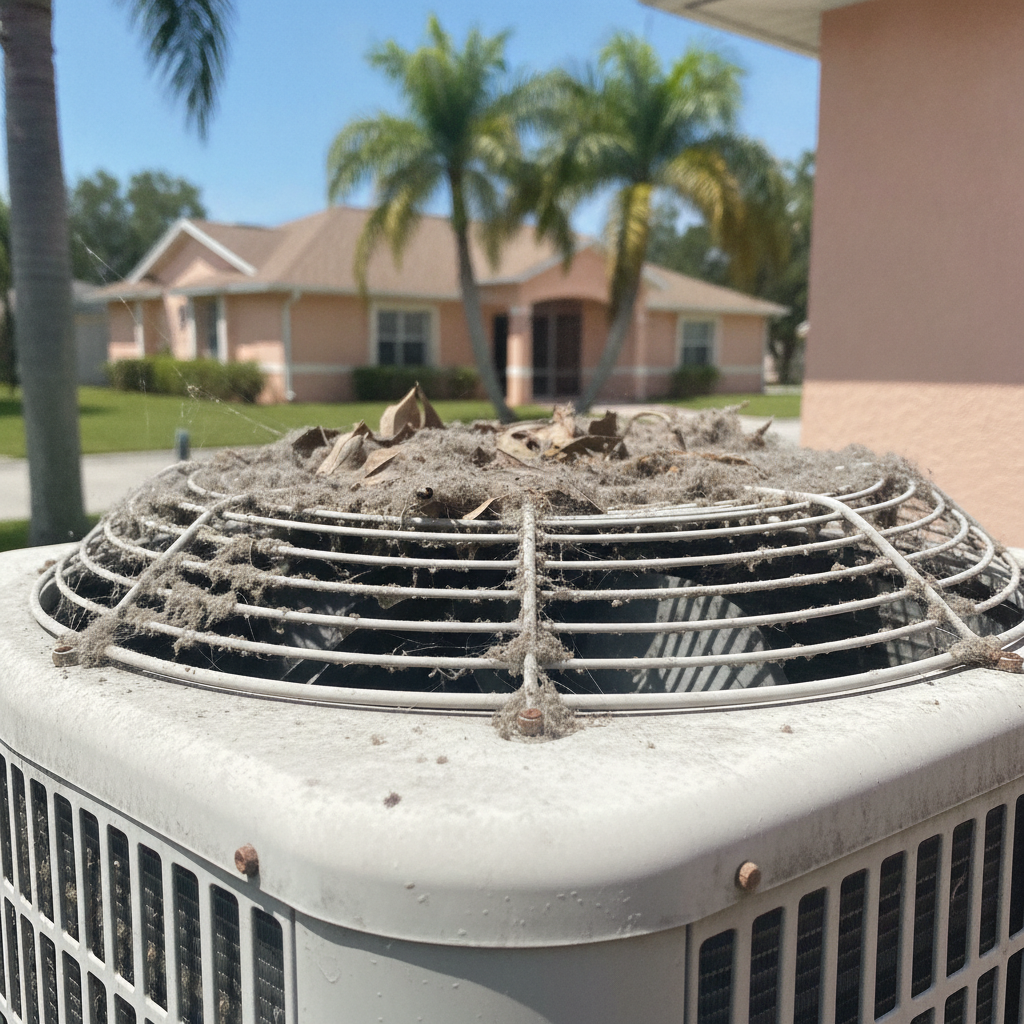
Frequent storms and heavy rainfall can introduce debris into outdoor units, blocking airflow and putting extra strain on the system. High pollen counts and airborne particles common in Palm Harbor can quickly clog filters, especially during peak allergy seasons. These environmental factors make regular maintenance and filter changes even more critical for residents and businesses here.
Understanding how the local climate impacts your AC system can help you anticipate potential airflow issues and take proactive steps to prevent them. Regular inspections and timely filter replacements are key to keeping your system running smoothly in Palm Harbor.
Preventative Maintenance Tips to Avoid Airflow Issues
Preventative maintenance is the best way to avoid weak airflow and keep your AC system operating at peak performance. Start by setting a regular schedule for changing or cleaning your air filters, most experts recommend checking them monthly, especially during heavy use periods. Don’t forget to inspect your vents and registers to ensure they’re free from dust and obstructions.
It’s also important to schedule professional inspections at least once a year. A qualified technician can check for duct leaks, clean the evaporator and condenser coils, and ensure all mechanical components are functioning properly. They can also measure airflow and identify potential issues before they escalate.
For businesses and property managers, consider setting up a maintenance agreement with a trusted local provider. This ensures your system receives regular attention and reduces the risk of unexpected breakdowns. Investing in routine care not only extends the life of your AC unit but also helps maintain consistent comfort and energy efficiency.
When to Call a Professional for Airflow Problems
While some airflow issues can be resolved with basic troubleshooting, others require the expertise of a professional technician. If you’ve changed your filters, checked your vents, and still notice weak airflow, it’s time to call in the pros. Persistent issues may indicate problems with the blower motor, ductwork, or even the AC’s internal components.
Other warning signs that warrant professional attention include unusual noises, frequent cycling, or the presence of moisture around your unit. Attempting to repair these issues on your own can lead to further damage or even void your warranty. A licensed technician has the tools and experience to diagnose the problem accurately and recommend the best course of action.
Don’t wait until your system fails completely. Addressing airflow problems early can save you money on repairs, reduce downtime, and ensure your space stays comfortable no matter how hot it gets outside.
Comparing DIY Fixes vs. Professional AC Repair
When faced with weak airflow, it’s tempting to try a few DIY fixes before calling for help. Simple steps like changing the air filter, cleaning vents, or checking for visible obstructions can often resolve minor issues. However, more complex problems, such as duct leaks, electrical faults, or failing blower motors, are best left to professionals.
Attempting to repair these components without proper training can lead to safety hazards, further damage, or even voided warranties. Professional technicians can quickly identify the root cause of airflow problems and provide lasting solutions. They also have access to specialized tools and replacement parts that aren’t always available to the average homeowner or homeowner.
Knowing when to tackle a problem yourself and when to call in the experts is key to maintaining your AC system’s performance and longevity. If in doubt, err on the side of caution and consult a qualified technician.
Table: Key Causes and Solutions for Weak AC Airflow
| Cause | Symptoms | Recommended Solution |
|---|---|---|
| Dirty Air Filter | Reduced airflow, dusty vents | Replace or clean filter monthly |
| Blocked Ductwork | Uneven cooling, weak vents | Inspect and clear obstructions |
| Leaky Ducts | Higher energy bills, poor airflow | Seal leaks professionally |
| Failing Blower Motor | Noisy operation, weak air | Repair or replace motor |
| Improper System Sizing | Inconsistent comfort, short cycling | Consult a professional for evaluation |
How Airflow Issues Lead to Bigger AC Problems
Weak airflow is often just the tip of the iceberg when it comes to AC troubles. When your system can’t circulate air effectively, it puts extra strain on every component, from the compressor to the blower motor. Over time, this added stress can cause parts to wear out faster, leading to frequent repairs or even premature system failure.
In addition, poor airflow can cause your evaporator coil to freeze, further reducing cooling capacity and potentially damaging the compressor. If left unchecked, these issues can escalate into costly repairs or the need for a full system replacement. That’s why it’s so important to address airflow problems as soon as you notice them, rather than waiting for more serious symptoms to appear.
By staying vigilant and responding quickly to changes in airflow, you can protect your investment and ensure your AC system continues to deliver reliable comfort for years to come.
Final Thoughts
Weak airflow is more than just a nuisance, it’s a clear sign that your AC system needs attention. Whether you’re a small homeowner, developer, or homeowner, understanding the causes and consequences of poor airflow can help you take proactive steps to protect your comfort and your investment. Regular maintenance, prompt troubleshooting, and knowing when to call a professional are all key to keeping your system running smoothly in this region. Don’t wait for a minor issue to turn into a major headache. By staying alert to changes in airflow and addressing them early, you can enjoy reliable cooling and peace of mind all season long.