
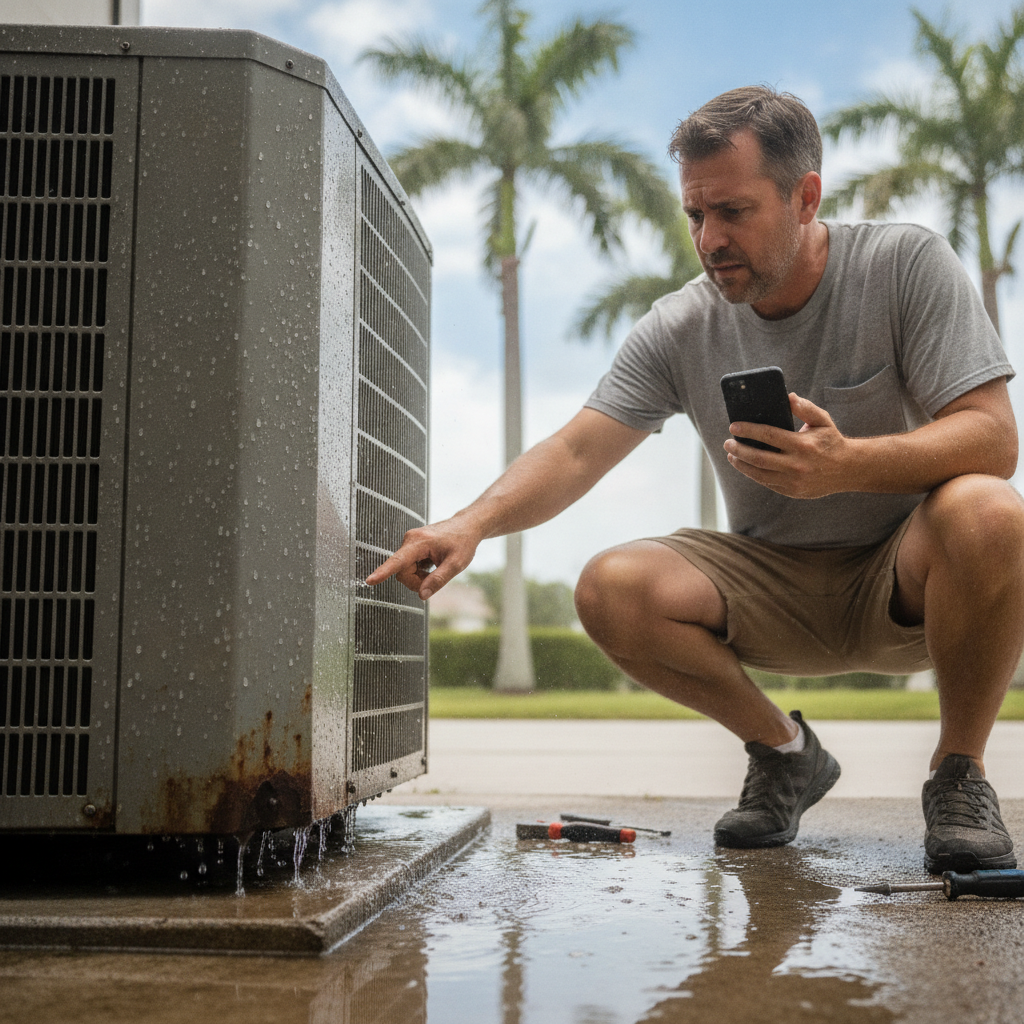
If you’ve ever walked into your home or home on a muggy day only to find water pooling around your air conditioner, you know the frustration and worry it brings. Water leaking from your AC isn’t just a minor nuisance, it can signal bigger issues lurking beneath the surface. For small homeowners, developers, and residents in Tampa, understanding why your AC is leaking is crucial for protecting your property and ensuring comfort. Emergency AC Repair Tampa FL services are often called in when water damage threatens to halt business or disrupt daily life. In this guide, we’ll break down the most common causes of AC leaks, what you can do right away, and how to prevent these emergencies from happening again. Whether you manage a busy storefront, oversee rental properties, or simply want to keep your family cool and dry, this article will give you the expert insights you need to stay ahead of AC water leaks and avoid costly repairs.
Why Is Water Leaking From My AC?
When your air conditioner starts dripping water indoors, it’s more than just an inconvenience, it’s a sign that something isn’t working as it should. Normally, AC units remove humidity from the air, condensing it into water that drains safely outside. But if you spot water where it shouldn’t be, several culprits might be to blame. A clogged condensate drain line is one of the most frequent offenders. Dirt, algae, or mold can block the line, causing water to back up and overflow. Another possibility is a frozen evaporator coil, which can melt and leak water once the ice thaws. Faulty installation or poor leveling can also prevent proper drainage, leading to leaks. Sometimes, a damaged or rusted drain pan is the root cause, especially in older systems. Each of these issues can escalate quickly, risking water damage to floors, walls, and even electrical systems. Acting fast is essential to limit the harm and restore your AC’s function. If you’re unsure where the problem lies, reaching out to a trusted local expert like Nolan Air can help you diagnose and fix the issue before it gets worse.
Spotting the Signs of a Leak Before It Gets Worse
Catching a leak early can save you from major headaches down the line. The first sign is often a musty smell or dampness around your AC unit. You might notice water stains on the ceiling or walls near the system, or puddles forming on the floor. If your AC is running but the air feels clammy or your cooling bills suddenly spike, hidden leaks could be to blame. Listen for unusual sounds, like gurgling or hissing, which can indicate a blocked drain or refrigerant issue. It’s also smart to check the air filter, if it’s dirty or clogged, airflow drops and condensation can build up, increasing the risk of leaks. For homeowners, even a small leak can disrupt operations, damage inventory, or create slip hazards for customers and staff. Being proactive is key. If you see any of these warning signs, don’t wait. Learn more about what a sudden change in your cooling bills could mean by reading What a Sudden Spike in Cooling Bills Can Reveal About Your Palm Harbor AC.
Immediate Actions to Take When You Find a Leak
Discovering water around your AC can be alarming, but quick action can minimize damage and keep your system running. First, turn off your AC at the thermostat to stop the flow of water and prevent electrical hazards. Next, mop up any standing water to protect floors and furnishings. Check the air filter and replace it if it’s dirty, restoring airflow may help prevent further condensation. Inspect the drain line if you can access it; sometimes, a gentle push with a flexible brush can clear minor clogs. Avoid using harsh chemicals, as they can damage pipes and seals. If the drain pan is rusted or cracked, it’s best to call a professional for replacement. For homeowners, alert your staff to the situation and cordon off affected areas to keep everyone safe. Document any damage for insurance purposes, especially if you rent or manage properties. If the leak persists or you suspect a deeper issue, don’t hesitate to seek expert help. For a deeper dive into AC system vulnerabilities, check out Most Common AC Failure Points in Palm Harbor Homes and What They Mean.
Understanding the Role of Humidity in AC Leaks
Humidity plays a significant role in how your air conditioner operates, especially in a climate as muggy as this region. When humidity levels soar, your AC works overtime to remove moisture from the air. This process naturally creates more condensation, which needs to be efficiently drained away. If your system isn’t sized correctly or is struggling with airflow, excess moisture can overwhelm the drain pan or line, leading to leaks. High humidity can also encourage the growth of algae and mold in the condensate line, increasing the risk of clogs. For business environments, maintaining proper humidity control is not just about comfort, it helps protect sensitive equipment, inventory, and even the building’s structure from water-related damage. Investing in regular maintenance and considering a dehumidifier for high-traffic spaces can help keep leaks at bay. Awareness of how local weather impacts your AC’s performance is key to preventing water issues before they start.
How Clogged Drain Lines Cause Water Damage
A clogged condensate drain line is one of the most common reasons for AC leaks. Over time, dust, dirt, algae, and even small insects can build up in the drain line, blocking the flow of water. When this happens, condensation has nowhere to go and begins to overflow into your home or business. The result can be stained ceilings, warped flooring, or even mold growth if not addressed promptly. Regularly checking and cleaning the drain line is a simple yet effective way to prevent these problems. If you notice water pooling near your AC or hear gurgling sounds, it’s a sign the drain line may be blocked. Some property owners use a wet/dry vacuum to clear minor clogs, but persistent issues may require professional cleaning. For businesses, a clogged line can mean downtime and lost revenue, making preventive maintenance a smart investment. Don’t overlook this small but vital part of your AC system.
Frozen Coils: A Hidden Cause of Leaks
Frozen evaporator coils are a less obvious but equally serious cause of AC leaks. When airflow is restricted, often due to a dirty air filter, blocked vents, or low refrigerant, the coils can freeze over. Once the system is turned off or the ice melts, the resulting water can overwhelm the drain pan and spill onto floors or walls. This issue is especially common during periods of heavy use or when maintenance is neglected. Signs of frozen coils include reduced cooling, ice buildup on the unit, or water pooling after the AC cycles off. To prevent this, change air filters regularly, keep vents clear, and schedule periodic professional inspections. If you suspect frozen coils, turn off the AC and let the ice melt naturally before restarting. Persistent freezing indicates a deeper problem that needs expert attention, such as a refrigerant leak or malfunctioning blower. Addressing these issues promptly can save you from expensive repairs and prolonged discomfort.
The Importance of Proper AC Installation
Proper installation is the foundation of a leak-free air conditioning system. If your AC isn’t level or the drain pan isn’t positioned correctly, water may not flow as intended, leading to leaks. In some cases, installers may overlook critical steps, like securing drain lines or checking for adequate insulation. For businesses and developers, ensuring your AC is installed by certified professionals is a must. A poorly installed system can lead to frequent repairs, higher operating costs, and even voided warranties. When planning a new build or renovation, ask your contractor about their installation process and how they handle drainage and humidity control. Investing in quality installation upfront can save you from a host of headaches down the road. Regularly reviewing your system’s setup and making adjustments as needed is also a smart move, especially if you’ve recently remodeled or added new equipment.
How to Prevent AC Water Leaks Year-Round
Prevention is always better than cure when it comes to AC leaks. Start with regular maintenance, schedule professional inspections at least once a year to catch issues before they escalate. Change air filters every one to three months, depending on usage and local air quality. Keep Tampa around your AC unit clear of debris, and ensure the condensate drain line is free of obstructions. If your property is prone to high humidity, consider installing a secondary drain pan or a float switch, which can shut off the system if water levels rise too high. For homeowners, create a maintenance checklist and train staff to recognize early signs of leaks. Investing in smart thermostats and remote monitoring can also help you catch problems early, especially in multi-unit buildings or rental properties. Staying proactive not only protects your investment but also keeps your space comfortable and safe for everyone.
When to Call for Emergency AC Repair in Tampa
Some AC leaks can be handled with quick DIY fixes, but others require immediate professional attention. If water is pooling rapidly, causing electrical issues, or threatening valuable property, don’t wait, call for emergency AC repair. This is especially important for businesses, where downtime can mean lost revenue and unhappy customers. Local emergency AC repair services are equipped to handle urgent situations, from clearing severe clogs to replacing damaged parts on the spot. If you notice repeated leaks, persistent humidity, or suspect a refrigerant problem, professional intervention is your best bet. In this city, response times can vary, so choosing a reputable, responsive contractor is key. Keep the contact information for a trusted repair service handy, and don’t hesitate to act at the first sign of trouble. Fast action can make the difference between a minor inconvenience and a major disaster.
Comparing Common AC Leak Causes and Solutions
| Cause | Symptoms | Urgent Fix |
|---|---|---|
| Clogged Drain Line | Water pooling, gurgling sounds | Clear line with vacuum or call professional |
| Frozen Evaporator Coil | Ice on unit, reduced cooling | Turn off AC, replace filter, seek repair |
| Damaged Drain Pan | Rust, cracks, water under unit | Replace pan, check drainage |
| Improper Installation | Uneven unit, frequent leaks | Level unit, review installation |
This table summarizes the most common causes of AC water leaks, their telltale symptoms, and the most effective urgent fixes. Use it as a quick reference to identify issues and determine whether you need immediate help or can try a simple solution yourself. Remember, acting quickly can prevent minor leaks from turning into major repairs.
Protecting Your Property From Water Damage
Water from a leaking AC can do more than just create a mess, it can cause lasting damage to your property. Over time, unchecked leaks can lead to mold growth, warped floors, and stained walls. For businesses, this can mean costly repairs, lost inventory, and even health risks for household and customers. To protect your investment, inspect your AC system regularly and address leaks as soon as they appear. Consider installing water sensors near your unit to provide early warnings of leaks. If you manage rental properties, educate tenants on what to watch for and how to report issues promptly. For developers, designing with proper drainage and humidity control in mind can save on future maintenance costs. Prevention and early intervention are your best defenses against water damage and the disruption it causes.
Final Thoughts
Dealing with water leaking from your AC can be stressful, but understanding the causes and knowing how to respond makes all the difference. From clogged drain lines to frozen coils and improper installation, each issue requires a tailored approach. For small homeowners, developers, and residents alike, staying vigilant and investing in regular maintenance is the best way to avoid emergencies. When leaks do happen, act quickly, turn off the system, clean up water, and call in professionals when needed. Reliable emergency AC repair services in Tampa are ready to help you protect your property and restore comfort fast. By following the tips in this guide, you’ll be well-equipped to handle AC leaks and keep your space cool, dry, and worry-free all year long.