
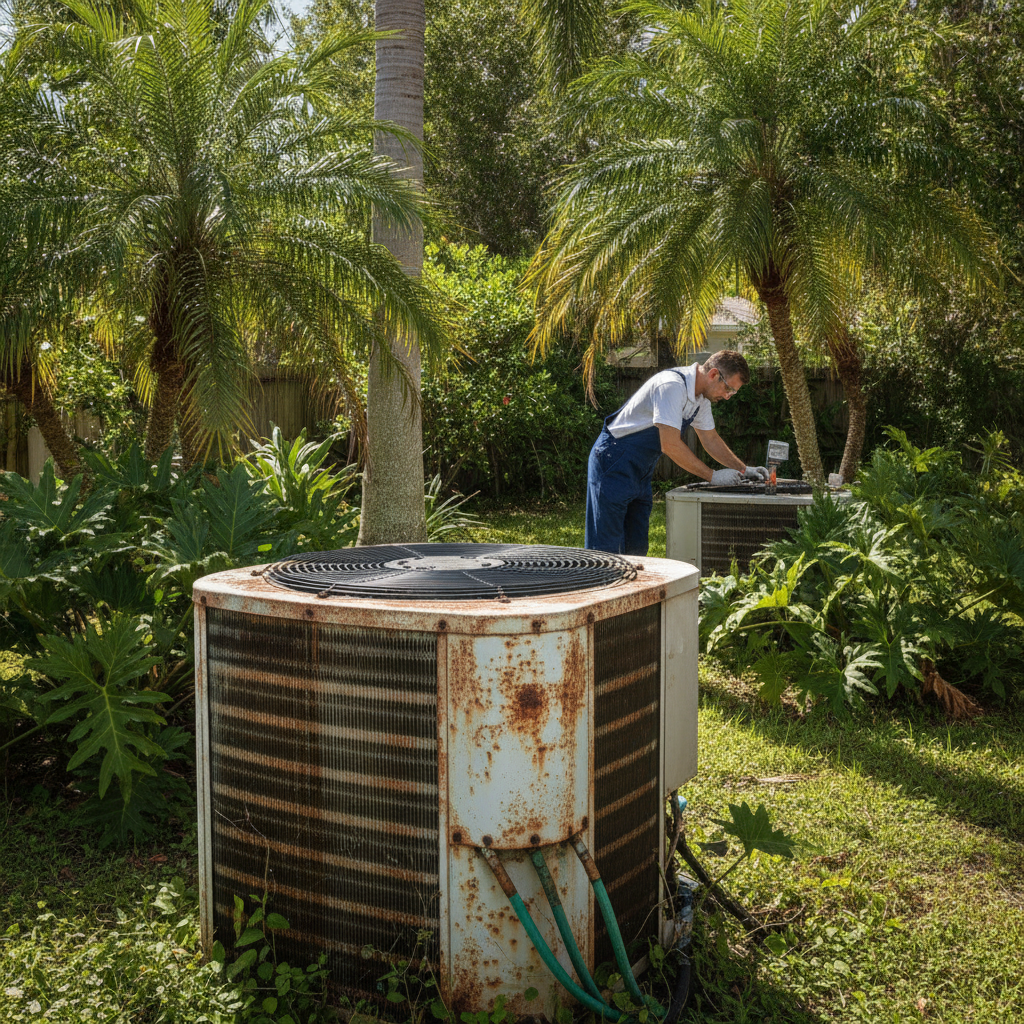
When the Florida heat is relentless, a reliable air conditioning system isn’t just a luxury, it’s a necessity for small homeowners, developers, and residents alike. If you’re wondering whether it’s time for a new system, recognizing the right moment for AC replacement and installation can save you from discomfort, high energy bills, and unexpected breakdowns. Many property owners in Tampa delay upgrading their cooling systems, not realizing that an aging or inefficient unit can quietly drain resources and impact daily operations. In this guide, we’ll explore the unmistakable signs that it’s time to consider AC Installation Tampa FL and what you should expect from the process, so you can make informed decisions for your property’s comfort and value. Whether you’re managing a bustling office, overseeing a development, or simply want to keep your home cool, knowing when to act is key to avoiding costly emergencies and ensuring year-round peace of mind.
When Your AC’s Age Starts to Show
Air conditioning systems, like all mechanical equipment, have a finite lifespan. Most central air conditioners are designed to last between 10 and 15 years with regular maintenance. However, as your unit approaches or surpasses this age range, it’s natural for performance to decline. You might notice longer cooling cycles, uneven temperatures, or unusual noises. These are subtle hints that your AC is working harder than it should, often leading to higher energy consumption and more frequent repairs. If you’re constantly calling for service or your utility bills are creeping up despite steady usage, your system’s age may be the culprit. Upgrading to a modern system can offer improved efficiency, quieter operation, and advanced features that older models simply can’t match. For homeowners, this means fewer disruptions and a more comfortable environment for staff and customers. If you’re unsure about your unit’s age or condition, consulting with a trusted local provider like Nolan Air can help you assess whether it’s time for a replacement or if repairs can extend your system’s life a bit longer.
Escalating Repair Costs and Frequent Breakdowns
One of the clearest signs that your air conditioning system is nearing the end of its useful life is the frequency and cost of repairs. While occasional maintenance is normal, repeated breakdowns, especially during peak cooling season, signal deeper issues. Each repair may seem manageable on its own, but the costs quickly add up, often surpassing the value of a new, energy-efficient system. Additionally, frequent malfunctions can disrupt your home operations or family life, causing discomfort and stress. It’s important to weigh the cost of ongoing repairs against the investment in a new installation. In many cases, replacing an unreliable unit can actually save money over time, thanks to lower energy bills and fewer emergency service calls. If you’ve recently dealt with issues like compressor failure, refrigerant leaks, or electrical faults, it may be time to explore your options. For a detailed look at how system failures can impact comfort and productivity, check out How a Frozen AC Unit Can Shut Down Cooling in Palm Harbor Homes.
Energy Efficiency: Is Your System Draining Your Wallet?
Older air conditioning units are typically less energy efficient than their modern counterparts. As systems age, their components wear out, causing them to consume more electricity to deliver the same level of cooling. This inefficiency is often reflected in rising energy bills, even if your usage habits haven’t changed. Newer AC models are designed with advanced technology, including variable speed motors and improved refrigerants, to maximize efficiency and minimize environmental impact. Upgrading to a high-efficiency system can lead to significant savings on your monthly utility costs. For property managers and homeowners, these savings can have a noticeable impact on operating budgets. Additionally, many newer systems qualify for rebates or incentives, further reducing the cost of installation. If you’re considering a new AC, don’t overlook the importance of your ductwork. Leaky or poorly insulated ducts can undermine even the most efficient system. Learn more about optimizing your setup with Ductwork Considerations Before Installing a New AC System in Palm Harbor.
Inconsistent Cooling and Hot Spots
If you’ve noticed that certain rooms or zones in your property are consistently warmer or cooler than others, your air conditioning system may be struggling to distribute air evenly. These hot spots can be caused by a variety of factors, including aging equipment, improper system sizing, or issues with ductwork. Inconsistent cooling not only affects comfort but can also indicate underlying problems that may worsen over time. For homeowners, uneven temperatures can impact employee productivity and customer satisfaction. Homeowners may find themselves constantly adjusting the thermostat, only to experience little improvement. Addressing these issues often requires a holistic approach, including evaluating insulation, duct layout, and system capacity. Upgrading to a properly sized and installed AC unit can help eliminate hot spots, ensuring consistent comfort throughout your space. If you’re experiencing persistent temperature imbalances, it’s a strong sign that your current system may no longer be up to the task.
Strange Noises and Unusual Odors
Air conditioners are designed to operate quietly in the background. When you start hearing grinding, squealing, rattling, or banging noises, it’s often a sign that something is wrong. These sounds can indicate worn bearings, loose components, or failing motors. Similarly, unpleasant odors, such as musty, burning, or chemical smells, should never be ignored. They can signal mold growth, electrical issues, or refrigerant leaks, all of which can pose health risks or lead to more serious system failures. While some noises and smells may be resolved with repairs or maintenance, persistent or worsening symptoms are often a warning that your system is nearing the end of its life. Upgrading to a new AC not only restores quiet comfort but also helps protect indoor air quality, an important consideration for businesses and families alike.
Humidity Problems: More Than Just Discomfort
Florida’s climate is known for its high humidity, and a properly functioning air conditioner plays a crucial role in maintaining indoor moisture levels. If your space feels sticky or clammy even when the AC is running, your system may be struggling to remove excess humidity. This can lead to a host of problems, including mold growth, musty odors, and damage to furnishings or equipment. High humidity also makes it harder to feel cool, prompting occupants to lower the thermostat and increase energy use. Modern AC systems are designed to better manage humidity, using advanced controls and more precise temperature regulation. If your current unit can’t keep up with Tampa’s moisture, it may be time to consider a replacement that’s better suited to local conditions. Addressing humidity issues can improve comfort, protect your property, and enhance overall air quality.
The Impact of Outdated Technology
Technology in the HVAC industry has advanced rapidly in recent years. Older systems often lack features like programmable thermostats, smart controls, and variable-speed compressors, which can greatly improve comfort and efficiency. Upgrading to a new AC system gives you access to these innovations, allowing for better temperature control, remote monitoring, and integration with building automation systems. For homeowners and developers, these features can translate into energy savings, easier maintenance, and enhanced tenant or occupant satisfaction. Outdated systems may also use refrigerants that are being phased out for environmental reasons, making repairs more expensive and parts harder to find. Investing in a modern system ensures compliance with current standards and positions your property for future demands.
Health and Indoor Air Quality Concerns
Aging air conditioners can have a negative impact on indoor air quality. As components wear out, filters and coils can become less effective at trapping dust, pollen, and other airborne contaminants. This can exacerbate allergies, asthma, and other respiratory issues among occupants. In some cases, moisture buildup within the system can promote mold and bacteria growth, further compromising air quality. Modern AC systems are equipped with advanced filtration and humidity control features that help maintain a healthier indoor environment. For businesses, this can mean fewer employee sick days and a more pleasant atmosphere for customers. If you’re noticing increased dust, musty smells, or health complaints, it’s worth evaluating whether your current system is still delivering the clean, comfortable air your property needs.
Planning for Growth or Renovations
If you’re planning to expand your home, renovate your property, or add new spaces, your existing air conditioning system may not be able to keep up with increased demand. Proper system sizing is critical to maintaining comfort and efficiency in larger or reconfigured spaces. An undersized unit will struggle to cool effectively, while an oversized system can lead to short cycling and humidity problems. When planning upgrades or changes to your property, it’s wise to consult with HVAC professionals who can assess your current system and recommend solutions that align with your future needs. Investing in a new AC installation during renovations can help you avoid costly retrofits down the road and ensure your space remains comfortable as your needs evolve.
What to Expect During AC Installation in Tampa
When it’s time to replace your air conditioning system, understanding the installation process can help set expectations and minimize disruptions. A professional installation typically begins with a thorough assessment of your property’s cooling needs, including square footage, insulation levels, and existing ductwork. The old unit is safely removed, and the new system is installed according to manufacturer specifications and local codes. Technicians will also check and, if necessary, upgrade your thermostat and test the system for proper operation. The process may take a day or two, depending on the complexity of your setup. Choosing a reputable installer ensures that your new AC operates at peak efficiency, delivering reliable comfort for years to come. After installation, regular maintenance is key to protecting your investment and maximizing system lifespan.
| Sign | What It Means | Recommended Action |
|---|---|---|
| Frequent Repairs | System is unreliable and likely near end-of-life | Consider replacement |
| Rising Energy Bills | Decreased efficiency due to aging components | Upgrade to an efficient model |
| Uneven Cooling | Possible sizing or ductwork issues | Assess system and ducts |
| Strange Noises/Odors | Mechanical or air quality issues | Schedule inspection |
| High Humidity Indoors | System not removing moisture effectively | Upgrade to modern AC |
Final Thoughts
Recognizing the signs that it’s time for AC replacement and installation is crucial for maintaining comfort, efficiency, and air quality in your property. Whether you’re dealing with rising energy costs, frequent repairs, or simply want to take advantage of the latest technology, upgrading your system is an investment in both peace of mind and long-term savings. By paying attention to the warning signals and working with experienced professionals, you can ensure your space stays cool and comfortable no matter how high the temperatures climb. Don’t wait for a complete breakdown, proactive planning and timely action can help you avoid costly emergencies and keep your home or home running smoothly all year round.