
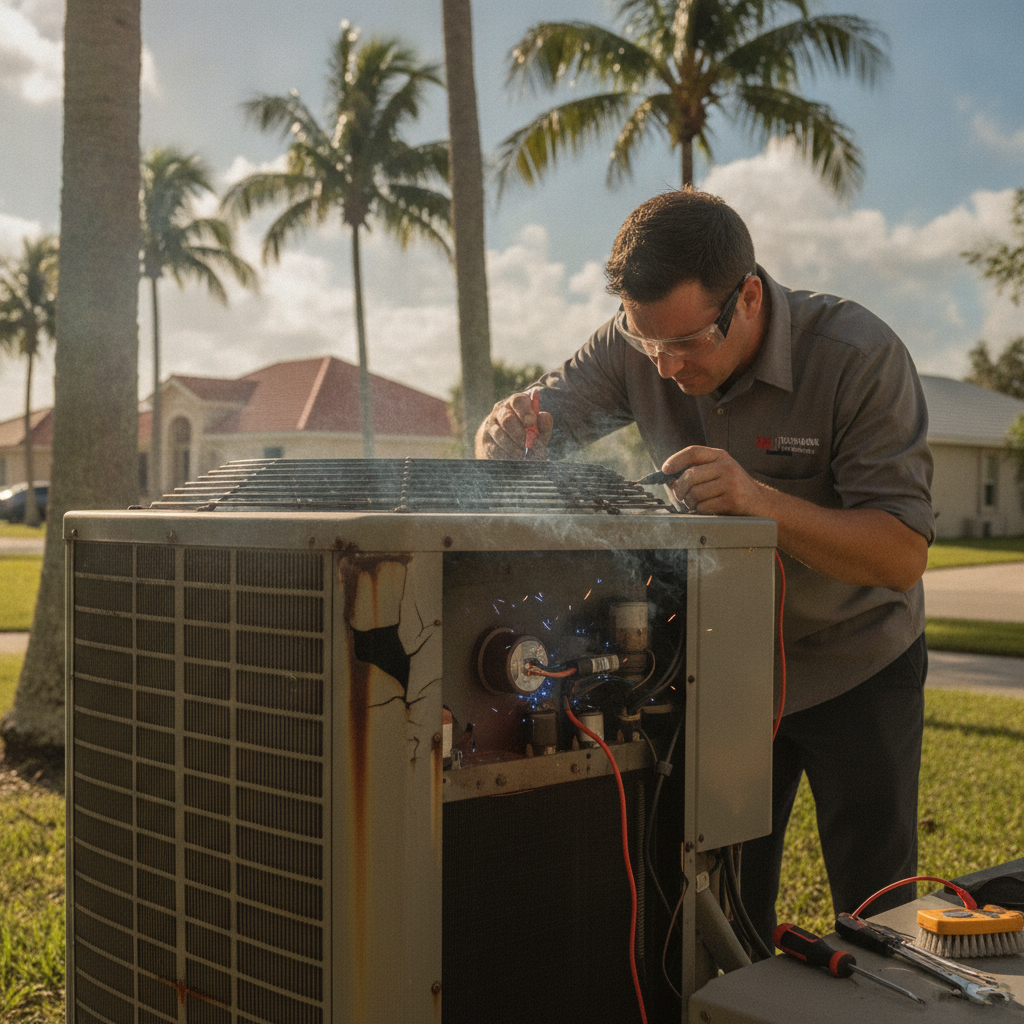
Few things are more unsettling than a burning smell wafting from your air conditioner on a hot day, especially when the stakes are high for your home, rental property, or family comfort. Emergency AC repair Palm Harbor FL services are more than just a convenience, they’re a necessity when electrical hazards and strange odors threaten safety and productivity. Whether you’re a small homeowner, a property developer, or a resident, understanding what those burning smells mean and how to respond can make the difference between a quick fix and a costly disaster. In this guide, we’ll break down the real risks behind burning odors, explain the electrical dangers lurking in malfunctioning AC systems, and show you how to react swiftly and safely. We’ll also cover what to expect from emergency repair calls, how to minimize downtime, and why proactive care is your best defense. If you’ve ever wondered whether that odd smell is just dust or a true emergency, you’re in the right place. Let’s dive into the world of AC emergencies and electrical hazards, so you can keep your cool, protect your property, and make informed decisions when it matters most.
Recognizing Burning Smells and What They Mean
A burning smell from your air conditioner is never a good sign. It’s one of the most common, and alarming, reasons people seek emergency AC repair in Palm Harbor. But not all burning odors are created equal. Sometimes, it’s a harmless sign of dust burning off after a long period of inactivity. Other times, it can signal a serious electrical or mechanical problem that demands immediate attention. Knowing the difference can help you act quickly and avoid bigger issues.
If you notice a faint, dusty smell the first time you turn on your AC for the season, it’s likely just accumulated dust on the heating elements or coils burning away. This should dissipate within a few minutes. However, if the smell is sharp, acrid, or persists, it may indicate overheating components, melting insulation, or even an electrical short. In these cases, it’s crucial to turn off your system and call a professional immediately. Ignoring these warning signs can lead to equipment failure, fire hazards, and expensive repairs.
For homeowners, a burning odor can disrupt operations and put household and customers at risk. Developers and property managers need to be especially vigilant, as electrical issues can affect multiple units or tenants. Homeowners, too, should never dismiss these smells as a minor inconvenience. Quick action is key to preventing further damage and ensuring everyone’s safety. If you’re unsure about the source of the odor, it’s always better to err on the side of caution and contact a trusted local expert like Nolan Air for a prompt inspection and repair.
The Dangers of Electrical Hazards in AC Systems
Electrical hazards are among the most serious risks associated with malfunctioning air conditioners. When wiring becomes frayed, connections loosen, or components overheat, the potential for electrical fires increases dramatically. These hazards aren’t limited to older systems, newer units can also develop issues if not properly installed or maintained. For small homeowners and landlords, a single electrical failure can mean property damage, liability concerns, and even forced closures.
Warning signs of electrical trouble include frequent tripped breakers, flickering lights when the AC cycles on, buzzing or crackling sounds, and of course, burning smells. These symptoms often indicate that your system is drawing more power than it should or that a component is on the verge of failure. In some cases, you may even notice scorch marks on outlets or the unit itself. It’s critical to shut off your AC at the breaker and avoid touching any potentially live components until a professional arrives.
Electrical hazards are not just a threat to your comfort, they can endanger lives and property. Emergency AC repair technicians are trained to identify and resolve these issues safely, minimizing downtime and restoring peace of mind. For more insight into related AC emergencies, check out Why Your Palm Harbor AC Is Leaking Water and Why It Needs Emergency Attention for additional warning signs and solutions.
When to Call for Emergency AC Repair in Palm Harbor
Knowing when to call for emergency AC repair can save you from costly damage and dangerous situations. While some issues can wait for regular business hours, others require immediate attention. Persistent burning smells, visible smoke, sparking, or repeated breaker trips should always be treated as emergencies. These signs point to underlying electrical problems that could escalate quickly.
For homeowners, the stakes are even higher. A malfunctioning AC can halt operations, impact customer experience, and even violate safety regulations. Developers and property managers must also act swiftly to protect tenants and investments. If you’re ever in doubt, it’s better to call for help than risk a larger emergency. Emergency repair services are equipped to handle urgent situations, often arriving within hours to diagnose and resolve the problem.
It’s also important to communicate clearly when you call. Describe the smell, any sounds, and what you’ve observed. This information helps technicians prepare for the job and bring the right tools and parts. For those considering upgrades or replacements, understanding system sizing is crucial, see Choosing the Right AC Size for Your Palm Harbor Home for guidance on selecting the best unit for your needs.
How Electrical Issues Develop in Air Conditioners
Electrical problems in air conditioners rarely appear overnight. They often develop gradually due to a combination of wear and tear, environmental factors, and lack of maintenance. Over time, wires can become loose from constant vibration, insulation can degrade from heat and humidity, and components like capacitors or relays can fail. In Palm Harbor’s humid climate, corrosion is a frequent culprit, especially in outdoor units exposed to the elements.
Another common cause is improper installation. If an AC system isn’t wired correctly from the start, it may work for a while before issues surface. Overloaded circuits, undersized wiring, or poor connections can all lead to overheating and burning odors. Even something as simple as a clogged air filter can force the system to work harder, putting extra strain on electrical components.
Routine inspections and professional maintenance are the best ways to catch these problems early. Technicians can spot warning signs like discolored wires, loose terminals, or unusual noises before they escalate into emergencies. For homeowners and property managers, scheduling regular checkups is a smart investment in safety and reliability.
Common Causes of Burning Smells in AC Units
Burning smells in AC units can originate from several sources, each with its own risks and solutions. The most frequent culprits include:
- Dust accumulation on heating elements or coils
- Overheating motors or compressors
- Worn-out fan belts producing friction
- Electrical shorts or overloaded circuits
- Melting wire insulation or plastic components
Each of these issues requires a different approach. Dust and debris can often be resolved with a thorough cleaning, but electrical and mechanical problems demand professional intervention. If you notice a burning plastic or rubber smell, it’s a strong indicator that insulation or components are overheating. This is especially dangerous and should not be ignored.
For those managing multiple properties or commercial spaces, keeping track of recurring issues can help identify systemic problems. Documenting when and where odors occur allows technicians to pinpoint root causes more efficiently, reducing downtime and repair costs.
Table: Burning Smell Types and Their Likely Causes
| Smell Description | Possible Cause | Recommended Action |
|---|---|---|
| Dusty or musty | Dust burning off coils or elements | Monitor; should clear in minutes |
| Sharp, acrid | Electrical short, overheating wires | Turn off AC, call for emergency repair |
| Burning plastic or rubber | Melting insulation, component failure | Shut down system, seek immediate help |
| Hot metal or oil | Motor or compressor overheating | Turn off AC, schedule urgent service |
Use this table as a quick reference if you ever detect a burning odor from your AC system. Acting promptly can help you avoid more serious damage and keep your property safe.
Immediate Steps to Take When You Smell Burning
When you first notice a burning smell coming from your air conditioner, your response time is critical. Here’s what you should do:
- Turn off your AC system at the thermostat and, if necessary, at the breaker box.
- Check for visible smoke, sparks, or scorch marks near the unit.
- Do not attempt to open the unit or touch any wiring yourself.
- Ventilate Palm Harbor by opening windows and doors if it’s safe to do so.
- Call a qualified emergency AC repair technician for immediate assistance.
If you’re managing a business or rental property, notify occupants and evacuate Palm Harbor if you suspect a fire risk. Document what you observed, including the time, smell description, and any unusual noises. This information will help technicians diagnose the problem faster and more accurately. Remember, electrical hazards can escalate quickly, so never delay seeking professional help.
What to Expect During an Emergency AC Service Call
When you call for emergency AC repair, the process is designed to address urgent issues efficiently and safely. Here’s what typically happens:
- A dispatcher will ask detailed questions about your issue, including the smell, any visible symptoms, and recent AC performance.
- A technician will be dispatched as soon as possible, often within a few hours.
- Upon arrival, the technician will inspect the unit, electrical connections, and surrounding area for signs of damage or hazard.
- They may use specialized tools to check for electrical faults, overheating, or component failures.
- Once the issue is identified, the technician will explain your options for repair or replacement and provide a cost estimate.
For homeowners and property managers, minimizing disruption is a top priority. Many emergency repair services offer after-hours support to get you back up and running quickly. Be prepared to approve urgent repairs, as delays can lead to further damage or safety risks.
Preventing AC Electrical Hazards With Routine Maintenance
The best way to avoid emergency AC repairs and electrical hazards is through regular maintenance. Preventive care not only extends the life of your system but also keeps energy costs down and ensures safe operation. Scheduled inspections allow technicians to catch early signs of trouble, such as loose wires, worn parts, or dust buildup, before they become emergencies.
For small homeowners, setting up a maintenance contract can provide peace of mind and predictable costs. Developers and property managers should schedule seasonal checkups for all units, especially before periods of heavy use. Homeowners can benefit from annual tune-ups that include cleaning coils, checking electrical connections, and testing safety controls.
Don’t overlook the importance of changing air filters regularly, keeping outdoor units clear of debris, and ensuring proper airflow. These simple steps can significantly reduce the risk of overheating and electrical failure. Investing in professional maintenance is a smart way to protect your property, avoid disruptions, and keep everyone comfortable year-round.
How Local Climate Affects AC Electrical Safety
The local climate plays a significant role in the health and safety of your air conditioning system. High humidity, frequent storms, and salt air can all contribute to faster wear and tear on electrical components. In this coastal region, outdoor AC units are especially vulnerable to corrosion, which can degrade wiring and connectors over time.
Sudden power surges from lightning or grid fluctuations can also stress your system’s electrical parts. Surge protectors and regular inspections are essential defenses against these hazards. For businesses and residential buildings alike, investing in weather-resistant equipment and protective enclosures can help extend the life of your AC and reduce the risk of emergency repairs.
Understanding how the environment impacts your equipment allows you to take proactive steps. Work with local professionals who understand the unique challenges of Palm Harbor and can recommend solutions tailored to your needs.
Why Professional Repairs Matter for Electrical Issues
Attempting DIY repairs on an air conditioner with electrical problems is never advisable. Modern AC systems are complex, and electrical faults can be hidden or difficult to diagnose without specialized tools and training. Even a simple mistake can result in injury, equipment damage, or voided warranties.
Licensed technicians have the expertise to safely troubleshoot and repair wiring, motors, and control boards. They follow strict safety protocols and use proper diagnostic equipment to ensure the problem is fully resolved. For homeowners and landlords, professional repairs also provide documentation and peace of mind in case of insurance claims or regulatory inspections.
Choosing a reputable local service provider ensures that repairs are done right the first time, minimizing downtime and protecting your investment. Don’t take chances with electrical hazards, trust the experts to keep your AC system running safely and efficiently.
Final Thoughts
Burning smells and electrical hazards in air conditioning systems are serious warning signs that demand immediate attention. Whether you’re a homeowner, homeowner, or property manager in this vibrant community, understanding the risks and knowing how to respond can prevent costly damage and keep everyone safe. Remember, emergency AC repair Palm Harbor FL services are available to handle urgent issues, but the best defense is regular maintenance and vigilance. Don’t ignore warning signs, act quickly, rely on professional help, and make safety your top priority. By staying informed and proactive, you’ll ensure your property remains comfortable, efficient, and protected all year long.