
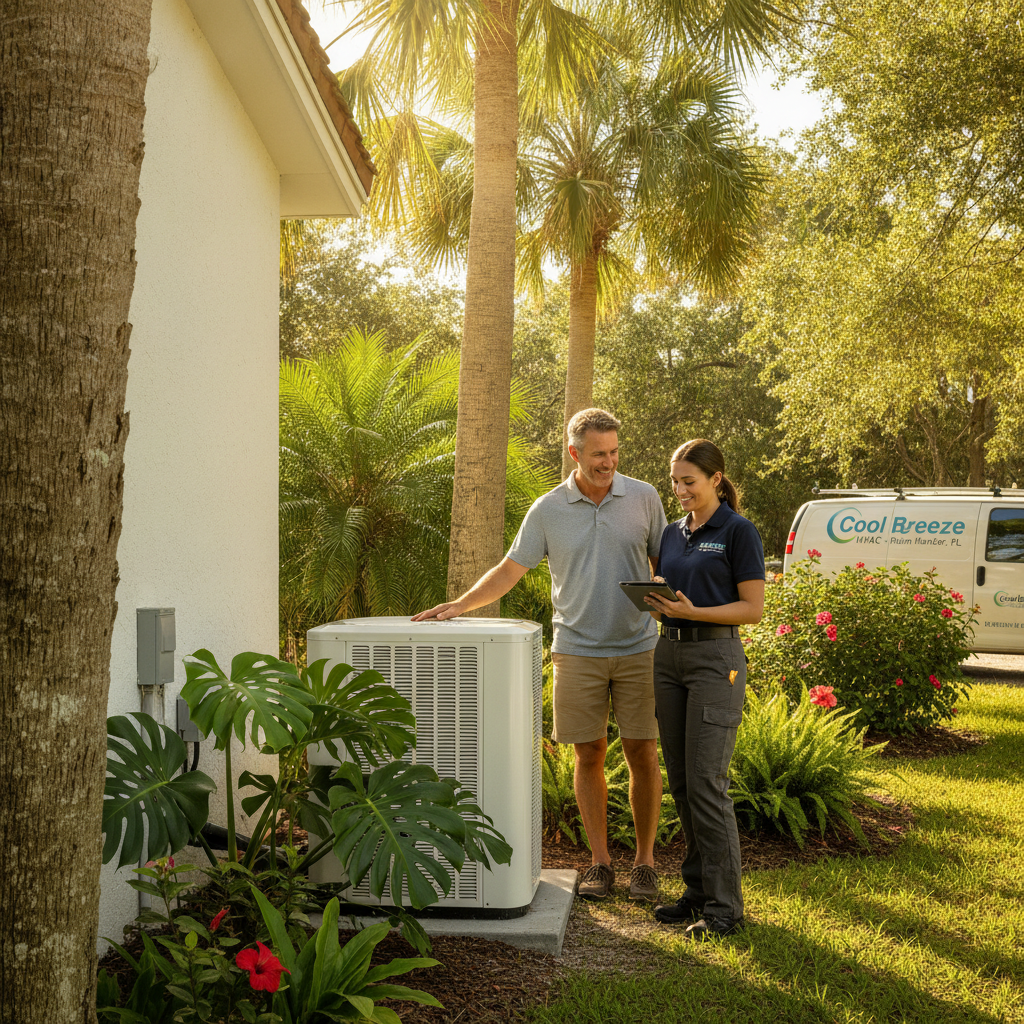
When the Florida heat ramps up, a reliable air conditioning system is essential for comfort and productivity. Whether you’re a small homeowner, property developer, or simply a resident in need of a new cooling system, choosing the right AC installation in Palm Harbor FL can make all the difference. The process is more than just picking a unit and scheduling an install, it’s about making informed decisions that affect your energy bills, indoor air quality, and long-term peace of mind. Before you sign on the dotted line, it’s crucial to ask the right questions so you don’t end up with costly surprises or a system that doesn’t suit your needs. This guide will walk you through the most important questions to ask before hiring an AC installer, helping you feel confident and prepared for every step of the process. Whether you’re upgrading an old system or planning for new construction, understanding these key considerations will set you up for a successful, stress-free installation experience.
Understanding Your Cooling Needs
Before you even begin searching for an AC installer, take time to assess your specific cooling requirements. The right system for a small office may be vastly different from what’s needed in a large retail space or a multi-unit residential development. Key factors include the size of your property, the number of rooms, occupancy patterns, and how much direct sunlight the space receives. Discussing these details with your installer ensures they recommend a system that’s neither overpowered nor underpowered for your needs. An experienced contractor will perform a load calculation, considering insulation levels, window types, and local climate data, to determine the ideal capacity for your new unit. This step is critical for energy efficiency and consistent comfort, an oversized system can lead to humidity problems and higher bills, while an undersized one will struggle to keep up during peak summer heat. When you consult with professionals like Nolan Air, you can expect a thorough evaluation that goes beyond square footage, focusing on your unique environment and priorities. Don’t hesitate to ask how they determine system sizing and what tools or standards they use for their calculations.
Evaluating Installer Credentials and Experience
Not all HVAC contractors are created equal. Licensing, insurance, and years of hands-on experience are non-negotiables when it comes to AC installation. Ask potential installers about their certifications and whether they’re familiar with the latest technologies and energy-efficient systems. Are they authorized dealers for reputable brands? Do they have a track record of successful projects in Palm Harbor? Look for reviews or testimonials from other homeowners and residents, as these can provide valuable insight into their reliability and professionalism. It’s also wise to inquire about ongoing training, HVAC technology evolves quickly, and you want a team that stays current with industry best practices. For instance, understanding how How Short Cycling Can Signal a Bigger AC Emergency in Palm Harbor, FL demonstrates a depth of knowledge that goes beyond basic installation. Don’t be shy about asking for proof of insurance and state-required licenses, as this protects you from liability and ensures compliance with local regulations.
Clarifying Installation Process and Timeline
A transparent installation process is essential for avoiding delays and miscommunication. Start by asking your installer to walk you through each phase of the project, from initial assessment to final system testing. What’s their typical timeline for a project of your size? Are there any potential disruptions to your daily operations or business hours? Understanding the sequence of events helps you plan for any necessary downtime and ensures you’re not left in the dark about when your new system will be up and running. It’s also important to clarify who will be on-site, will the work be handled by the company’s own technicians, or will subcontractors be involved? This can affect accountability and the quality of workmanship. A reputable installer will also explain how they handle unexpected issues, such as discovering outdated wiring or ductwork that needs repair. For example, companies that are well-versed in identifying issues like Why Weak Airflow Is a Red Flag for AC Trouble in Palm Harbor, FL are more likely to spot and address problems before they become major setbacks. Always ask for a written project schedule and make sure you understand the steps involved before work begins.
Comparing Equipment Brands and Efficiency Ratings
The brand and efficiency rating of your new AC system will impact your comfort, energy bills, and future repair costs. Not all brands are created equal, and some may offer better warranties, local support, or advanced features such as smart thermostats and variable-speed compressors. Ask your installer which brands they recommend and why. Are they suggesting a system based on your needs, or simply what’s in stock? Energy efficiency is another crucial factor, look for systems with high SEER (Seasonal Energy Efficiency Ratio) ratings, which indicate better performance and lower operating costs. While high-efficiency units may have a higher upfront cost, they often pay for themselves over time through reduced energy consumption. Be sure to ask about available rebates or incentives for energy-efficient systems, as these can help offset installation costs. Finally, inquire about noise levels, air filtration features, and compatibility with your existing ductwork or smart home systems. The more you know about your options, the better equipped you’ll be to make a decision that balances performance, budget, and long-term value.
Understanding Warranty Coverage and Service Plans
A new AC system is a significant investment, so it’s important to know exactly what kind of warranty and service support comes with your installation. Most reputable manufacturers offer a limited warranty on parts, but coverage can vary widely in terms of duration and what’s included. Ask your installer to explain the manufacturer’s warranty as well as any labor warranties they provide. Will you be responsible for service call fees or diagnostic charges during the warranty period? Some installers offer extended warranties or maintenance plans that cover annual tune-ups, filter changes, and priority service in case of breakdowns. These plans can help you avoid unexpected repair costs and keep your system running efficiently. Clarify what’s required to maintain warranty coverage, skipping scheduled maintenance or using unauthorized repair services can sometimes void your protection. Finally, find out how warranty claims are handled: Will the installer coordinate repairs directly, or will you need to contact the manufacturer yourself? A transparent, comprehensive warranty and service plan can provide peace of mind and protect your investment for years to come.
Budgeting for Installation and Hidden Costs
Budgeting for AC installation involves more than just the sticker price of the unit. Ask your installer for a detailed, itemized estimate that breaks down equipment costs, labor, permits, and any additional fees. Are there charges for removing your old system, disposing of refrigerant, or making electrical upgrades? Sometimes, unforeseen expenses crop up during installation, such as repairing damaged ductwork or upgrading electrical panels to meet code requirements. Clarify whether the quoted price is fixed or if there’s potential for cost overruns. It’s also smart to ask about payment terms, do they require a deposit, and when is the balance due? Some companies offer financing options or seasonal promotions that can make a high-quality system more affordable. Don’t forget to factor in the long-term savings from a more efficient system, as lower monthly utility bills can offset some of your upfront investment. By getting all costs in writing and understanding exactly what’s included, you can avoid unpleasant surprises and make a confident decision that fits your budget.
Permits, Codes, and Local Compliance
Every community has its own building codes and permitting requirements for HVAC installations. It’s vital to ensure your installer is familiar with regulations in this region and will handle the permitting process on your behalf. Ask if they obtain the necessary permits and schedule inspections, or if you’ll be responsible for any paperwork. Proper permitting is more than a formality, it ensures your system is installed safely and up to code, which can protect you from fines or issues when selling your property. Inquire about how the installer stays updated on code changes and whether they’ve encountered any recent updates that could affect your project. If your building is part of a homeowners’ association or commercial complex, there may be additional rules or approval processes to navigate. A knowledgeable installer will anticipate these requirements and help you avoid costly delays or compliance headaches. Don’t hesitate to request documentation or proof of permit applications before work begins.
Post Installation Support and Maintenance
Your relationship with your AC installer shouldn’t end when the new system is switched on. Ongoing support and maintenance are essential for keeping your system running efficiently and catching minor issues before they escalate. Ask about the installer’s approach to post-installation service, do they offer scheduled maintenance visits, emergency repairs, or remote monitoring? How quickly can you expect a technician to respond if something goes wrong? Some companies provide maintenance reminders or digital service records, making it easier to track your system’s health over time. Clarify whether maintenance is included in your service agreement or if it’s available as an add-on. Regular tune-ups can extend the life of your system, improve indoor air quality, and help you avoid costly breakdowns during peak cooling season. Make sure you understand the recommended maintenance schedule and what’s involved in each visit. A proactive, customer-focused installer will be happy to explain their process and help you develop a plan for long-term system care.
Questions to Ask Before Signing a Contract
Before you commit to any AC installation, it’s important to review the contract carefully and clarify any uncertainties. Start by confirming the total project cost, payment schedule, and what’s included in the scope of work. Are there clear start and completion dates? Does the contract specify the equipment model, efficiency rating, and warranty terms? Make sure you understand the process for handling unexpected discoveries, such as hidden damage or code violations. Ask about cancellation policies and whether there are penalties for changing your mind after signing. It’s also wise to confirm who will be responsible for cleanup and disposal of old equipment. If you have any special requirements, such as after-hours installation or coordination with other contractors, be sure these are documented in writing. A reputable installer will welcome your questions and provide clear, detailed answers. Taking the time to review and understand your contract can help prevent misunderstandings and ensure a smooth, stress-free experience from start to finish.
Comparing Quotes and Making a Final Decision
Once you’ve gathered proposals from several local installers, it’s time to compare your options. Don’t just focus on the bottom-line price, look at the details of each quote, including equipment specifications, warranty coverage, and included services. Are all necessary permits and inspections accounted for? Does one proposal offer a more energy-efficient system or a longer warranty? Consider the reputation of each company, their responsiveness to your questions, and any value-added services they provide. It’s also helpful to ask for references or examples of similar projects they’ve completed in Palm Harbor. Remember, the cheapest option isn’t always the best, investing in a high-quality installation can save you money and headaches down the road. Take your time reviewing each proposal, and don’t hesitate to ask for clarification if something isn’t clear. By weighing all factors, you can make a confident, informed decision that will keep your property comfortable and efficient for years to come.
| Question | Why It Matters |
|---|---|
| What size system do I need? | Ensures efficient cooling and prevents energy waste or discomfort. |
| Are you licensed and insured? | Protects you from liability and ensures compliance with local codes. |
| What brands do you recommend? | Helps you compare quality, features, and warranty options. |
| What is included in the estimate? | Prevents surprise costs and clarifies the scope of work. |
| How do you handle permits? | Ensures your installation meets all legal and safety requirements. |
Final Thoughts
Hiring the right AC installer is a decision that will impact your comfort, energy costs, and peace of mind for years to come. By asking the right questions and understanding every aspect of the installation process, you can avoid common pitfalls and ensure you get the best value for your investment. Take the time to research your options, compare proposals, and clarify every detail before signing a contract. Remember, a reputable installer will be transparent, knowledgeable, and eager to help you make an informed choice. Whether you’re upgrading your home’s cooling system or installing AC in a new development, thorough preparation and open communication are your best tools for a successful outcome. Stay proactive, prioritize quality, and you’ll enjoy reliable cooling and lower energy bills for many seasons ahead.