
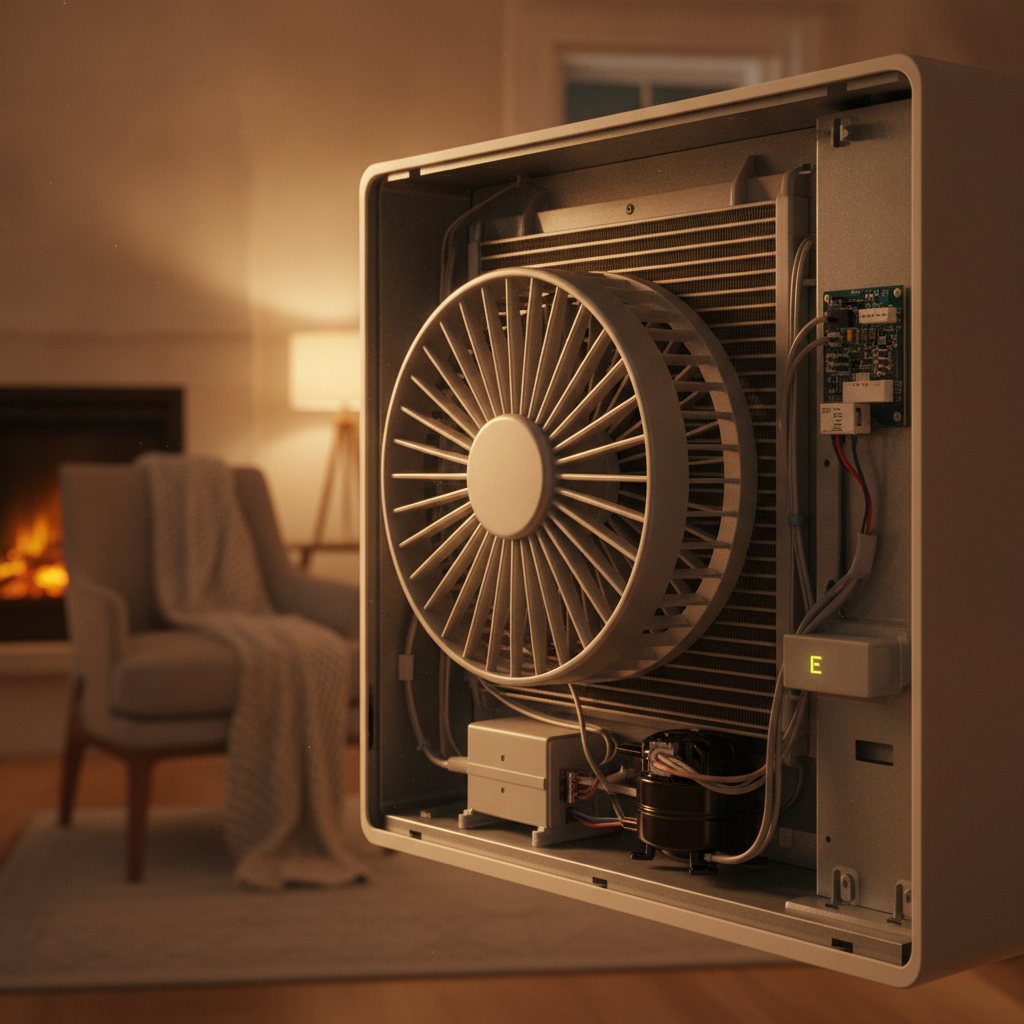
Few things are more frustrating than an air conditioner that can’t make up its mind, one moment it’s running, the next it’s off, and then it’s back on again. For small homeowners, developers, and residents alike, this cycling behavior isn’t just an annoyance. It can mean wasted energy, higher bills, and even a looming breakdown. If you’re searching for answers about why your AC keeps cycling on and off, you’re not alone. Many in Palm Harbor encounter this issue, especially during the hottest months when reliable cooling is essential. Understanding the root causes and solutions can help you avoid unnecessary discomfort and expenses. In this guide, we’ll break down the most common reasons for short cycling, how to troubleshoot them, and when to call in the pros for AC Repair Palm Harbor FL. Whether you’re trying to keep your home comfortable or protect your investment in a property, knowing what’s behind this erratic AC behavior can save you both time and money.
What Short Cycling Really Means for Your AC
Short cycling is the term used when your air conditioner turns on and off more frequently than it should during normal operation. Instead of running for a steady period to cool your space, the system starts up, runs briefly, shuts down, and then repeats the process minutes later. This is more than a minor inconvenience, it’s a sign that something is off with your AC’s performance or setup. Short cycling can lead to increased wear and tear on the unit, higher energy bills, and less effective cooling. For homeowners, this can mean uncomfortable customers or household and even potential damage to sensitive equipment. Understanding this cycle is the first step in diagnosing what’s wrong with your system. If you notice your AC is short cycling, it’s important to act quickly, as persistent cycling can cause more serious issues down the line. For those who want expert help, Nolan Air is a trusted resource for diagnosing and repairing AC issues in Palm Harbor.
Top Causes of Frequent AC Cycling in Palm Harbor
There are several reasons why an air conditioner might start cycling on and off more than usual. One of the most common is an incorrectly sized unit, if your AC is too large for your space, it will cool Palm Harbor quickly and then shut off, only to start again when the temperature rises. Other culprits include dirty air filters, which restrict airflow and force the system to work harder, and thermostat issues, such as poor placement or malfunctioning sensors. Electrical problems, like faulty relays or capacitors, can also disrupt the normal cycling pattern. Environmental factors, such as extreme heat or humidity, can exacerbate these issues, making it harder for your AC to maintain a consistent temperature. Homeowners and developers should pay special attention to these factors, as commercial spaces often have unique cooling demands. For more in-depth troubleshooting, check out Is Your Palm Harbor AC Running Constantly? Emergency Repair Signs to Watch For for additional insights.
How Electrical Issues Can Trigger Short Cycling
Electrical problems are a frequent cause of short cycling in AC systems. Loose wiring, failing relays, or a malfunctioning control board can disrupt the signals between your thermostat and the AC unit, causing it to turn on and off unpredictably. In some cases, a faulty capacitor can prevent the compressor from starting properly, leading to rapid cycling as the system attempts to compensate. These issues are not only frustrating but can also present safety hazards if left unchecked. For small businesses, electrical problems can quickly escalate into downtime and lost productivity. If you hear unusual sounds or notice your AC is cycling erratically, it’s wise to investigate further. For a deeper dive into the warning signs, visit Understanding Strange AC Noises Before They Turn Into Bigger Repairs in Palm Harbor to learn more about what your system might be telling you.
The Role of Thermostat Placement and Calibration
Your thermostat acts as the command center for your AC system, and its placement can have a significant impact on cycling behavior. If it’s located near a window, in direct sunlight, or too close to vents, it may register inaccurate temperatures. This can cause the AC to turn on and off unnecessarily, as the thermostat believes the room is hotter or cooler than it actually is. Calibration is equally important, if the thermostat isn’t accurately reading the ambient temperature, it won’t communicate the correct signals to your AC. For homeowners, ensuring the thermostat is installed in a central, shaded location can help maintain consistent comfort throughout the home. Regularly checking and calibrating your thermostat is a simple yet effective way to prevent unnecessary cycling and extend the life of your AC system.
Airflow Restrictions and Their Impact on Cycling
Restricted airflow is another common trigger for short cycling. When air can’t move freely through your AC system, the unit may overheat or fail to reach the desired temperature, causing it to shut down prematurely. Dirty or clogged air filters are the most frequent culprits, but blocked vents, closed dampers, or even obstructions in the ductwork can also contribute. For commercial properties, where multiple zones or larger duct systems are common, even a small blockage can have a big impact. Regular maintenance, including replacing filters and inspecting ducts, is essential to keep air moving smoothly. Addressing airflow issues not only prevents short cycling but also improves overall efficiency and indoor air quality, making your environment more comfortable for everyone.
How Refrigerant Levels Affect AC Performance
Refrigerant is the lifeblood of your air conditioning system, responsible for absorbing and releasing heat to cool your space. If the refrigerant level is too low, often due to leaks or improper charging, the AC may struggle to complete its cooling cycle, resulting in rapid on-off behavior. Low refrigerant can also cause the evaporator coil to freeze, further disrupting normal operation. For homeowners, a refrigerant issue can mean inconsistent cooling and higher energy costs. It’s important to have a qualified technician check and recharge your system if you suspect a leak or notice your AC isn’t cooling as effectively as it should. Keeping refrigerant at the correct level ensures your system runs efficiently and avoids unnecessary cycling.
Environmental Factors Unique to Palm Harbor
Living and working in Palm Harbor presents unique challenges for air conditioning systems. High humidity, salt air, and frequent storms can all take a toll on your AC’s components. Humidity, in particular, can make your system work harder to remove moisture from the air, leading to more frequent cycling as it tries to maintain comfort. Salt air can accelerate corrosion, especially on outdoor units, potentially causing electrical and mechanical failures. For businesses located near the coast or in areas prone to heavy rainfall, regular inspections are crucial to catch issues early. Understanding how local environmental factors affect your AC can help you take proactive steps to prevent short cycling and extend the life of your investment.
DIY Troubleshooting Steps Before Calling a Pro
Before you pick up the phone to schedule a service call, there are a few troubleshooting steps you can take on your own. Start by checking and replacing your air filter if it’s dirty. Make sure all vents are open and unobstructed, and inspect your thermostat for proper placement and calibration. Listen for unusual noises or look for signs of moisture around the unit, which could indicate a refrigerant leak or frozen coil. If your AC is still short cycling after these checks, it’s time to call in a professional. Addressing minor issues early can prevent more serious problems and help you avoid costly repairs down the road.
When to Schedule Professional AC Repair
Knowing when to call for professional help is key to protecting your AC system and your comfort. If you’ve tried basic troubleshooting and your unit is still cycling on and off, or if you notice electrical issues, refrigerant leaks, or persistent airflow problems, it’s time to schedule a repair. Professional technicians have the tools and expertise to diagnose complex issues and recommend the best solutions. For homeowners, timely repairs can prevent downtime and ensure your household and customers stay comfortable. Regular maintenance visits can also catch potential problems before they lead to short cycling or system failure. Don’t wait until a minor issue becomes a major headache, prompt attention can save you time, money, and stress.
| Cause | Symptoms | Recommended Action |
|---|---|---|
| Oversized AC Unit | Quick cooling, frequent starts and stops | Consult a professional for evaluation |
| Dirty Air Filter | Reduced airflow, short cycles | Replace filter regularly |
| Thermostat Issues | Inaccurate temperature readings | Relocate or recalibrate thermostat |
| Electrical Problems | Erratic cycling, system resets | Professional electrical inspection |
| Low Refrigerant | Poor cooling, ice buildup | Check for leaks, recharge refrigerant |
Preventive Maintenance Tips for Reliable Cooling
Prevention is always better than cure, especially when it comes to your AC system. Regular maintenance can help you avoid the most common causes of short cycling and keep your unit running smoothly. Schedule seasonal tune-ups with a qualified technician, replace air filters every few months, and keep Palm Harbor around your outdoor unit clear of debris. For businesses, consider setting up a maintenance contract to ensure your system receives regular attention. Monitoring your thermostat settings and keeping an eye out for unusual noises or performance changes can also alert you to potential problems before they escalate. Investing in preventive care not only extends the life of your AC but also ensures consistent comfort and lower energy costs throughout the year.
Final Thoughts
An air conditioner that keeps cycling on and off is more than just a minor annoyance, it’s a warning sign that something isn’t quite right. By understanding the most common causes, from incorrect sizing and airflow restrictions to electrical issues and environmental factors, you can take proactive steps to protect your comfort and your investment. Whether you’re a small homeowner, developer, or resident, staying informed and attentive to your AC’s behavior can help you avoid costly repairs and unexpected downtime. Don’t hesitate to seek professional help if basic troubleshooting doesn’t resolve the issue. With the right approach, you can keep your cooling system running efficiently and enjoy reliable comfort all season long.