
When the summer sun is relentless and humidity clings to every surface, a reliable air conditioning system is essential for comfort and productivity. For small homeowners, developers, and residents alike, dealing with an AC breakdown during peak heat can be more than just an inconvenience, it can disrupt daily operations and even impact health. That’s why understanding the top causes of AC breakdowns and learning how to prevent them is crucial, especially if you’re searching for AC Repair Tampa FL solutions. In this guide, we’ll explore the most common reasons air conditioners fail in our region’s unique climate, offer practical prevention strategies, and share expert insights to keep your cooling system running smoothly all season long. Whether you’re managing a busy office, overseeing a property, or just want to keep your home comfortable, these tips will help you avoid costly repairs and unexpected downtime.
Why AC Units Fail During Extreme Heat
Air conditioners work hardest when temperatures soar, and that’s exactly when they are most likely to fail. Prolonged exposure to high heat puts immense strain on every component, from the compressor to the electrical wiring. In Tampa, heatwaves can push AC units to their operational limits, causing them to run almost non-stop. This continuous operation increases wear and tear, leading to overheating, component fatigue, and, eventually, breakdowns.
Another factor is the elevated humidity levels that often accompany the heat. Humid air forces your system to work harder to remove moisture, which can lead to issues like frozen coils or water leaks. Over time, these conditions can degrade system performance and accelerate the aging of key parts.
If you’ve ever experienced an AC failure on the hottest day of the year, you know how disruptive it can be. That’s why many local businesses and homeowners rely on Nolan Air for prompt, professional service when things go wrong. But understanding the root causes of these breakdowns is the first step toward prevention.
The Impact of Dirty Air Filters on System Performance
One of the most overlooked yet critical components of any air conditioning system is the air filter. Dirty or clogged filters restrict airflow, forcing your AC to work harder to circulate cool air. This not only reduces efficiency but also increases the risk of overheating and system failure. Over time, restricted airflow can cause the evaporator coil to freeze, leading to a complete shutdown.
For homeowners and property managers, neglecting filter changes can result in higher energy bills and more frequent repair calls. Regularly checking and replacing air filters, ideally every 1-3 months, can significantly extend the life of your AC and improve indoor air quality. If you notice reduced airflow or dust building up around vents, it’s a clear sign that your filter needs attention.
Making filter maintenance a routine task can prevent many common breakdowns and keep your system running efficiently, even during the hottest days.
Refrigerant Leaks and Their Hidden Dangers
Refrigerant is the lifeblood of your air conditioning system, responsible for absorbing heat and cooling your space. When leaks occur, the system loses its ability to cool effectively, often leading to longer run times and eventual breakdown. Leaks can be caused by corrosion, vibration, or manufacturing defects, and they often go unnoticed until the system’s performance drops significantly.
Low refrigerant levels can also cause the compressor to overheat and fail, resulting in costly repairs. Additionally, refrigerant leaks are hazardous to the environment and can pose health risks if not addressed promptly. Signs of a leak include hissing noises, ice buildup on coils, or a noticeable decline in cooling power.
To prevent refrigerant-related issues, schedule annual inspections with a certified technician who can check for leaks, repair them, and recharge the system as needed. Early detection is key to avoiding major system failures and keeping your AC running safely and efficiently.
Electrical Problems That Lead to Sudden Shutdowns
Electrical issues are a leading cause of unexpected AC breakdowns, especially during periods of heavy use. Faulty wiring, worn-out capacitors, and tripped breakers can all interrupt power to your unit, causing it to stop working without warning. In some cases, power surges from summer storms or grid fluctuations can damage sensitive components, resulting in expensive repairs.
Warning signs of electrical trouble include frequent cycling, unusual noises, or a burning smell near the unit. These issues should never be ignored, as they can escalate quickly and even pose a fire hazard. Regular electrical inspections by a qualified professional can catch problems early and ensure your system’s safety.
For homeowners, investing in surge protectors and routine electrical maintenance can prevent costly downtime and protect valuable equipment. Being proactive about electrical health is a smart move for anyone relying on consistent cooling during the hottest months.
Blocked Condenser Coils and Outdoor Unit Issues
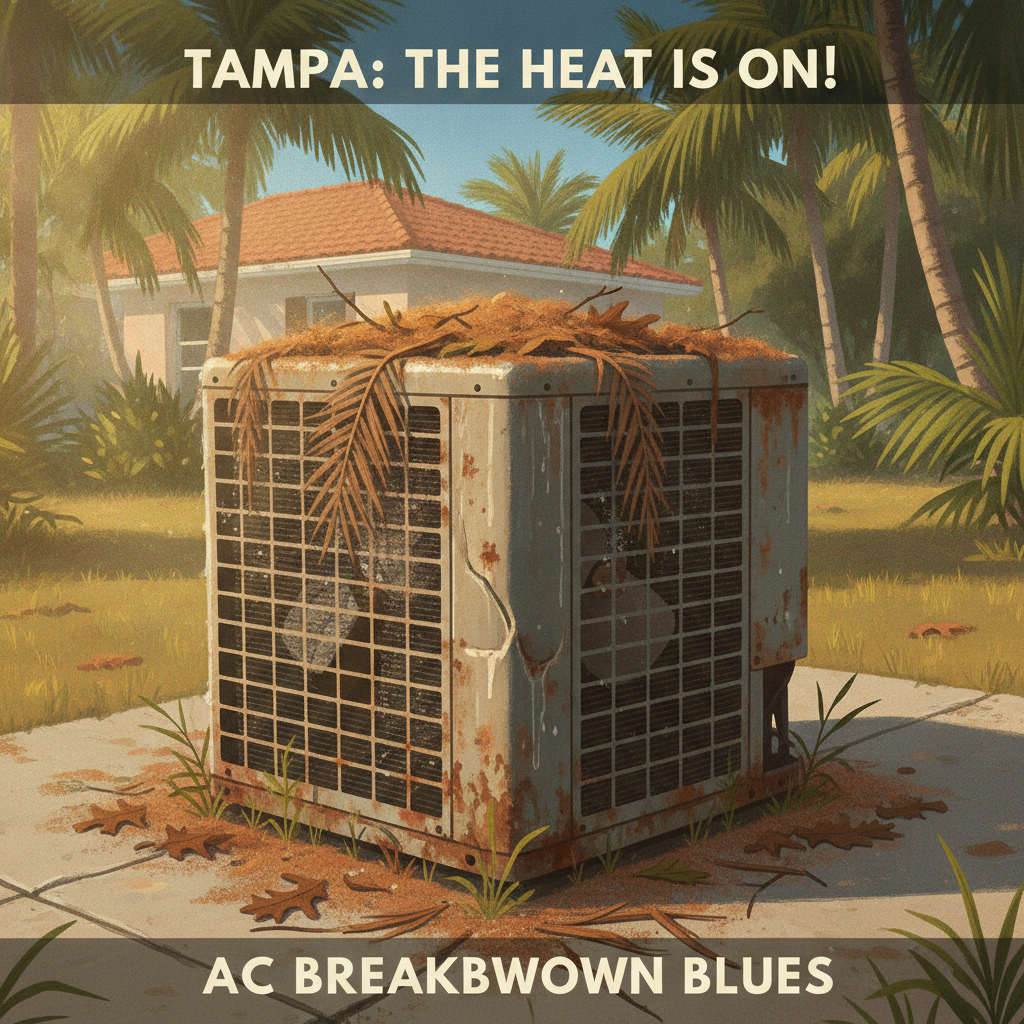
The outdoor condenser unit plays a crucial role in releasing heat from your property. When condenser coils become blocked by dirt, leaves, or debris, heat transfer is compromised, and your system’s efficiency plummets. This can cause the AC to overheat, leading to frequent cycling or complete breakdown.
In Tampa, outdoor units are especially vulnerable to grass clippings, pollen, and even small animals seeking shelter. Regularly clearing Tampa around your condenser and gently cleaning the coils can prevent these issues. If you notice your system struggling to keep up or running louder than usual, it’s worth inspecting the outdoor unit for obstructions.
A clean, unobstructed condenser ensures optimal performance and reduces the risk of overheating, helping your AC withstand the demands of a long, hot season.
Thermostat Troubles: When Controls Cause Chaos
Thermostats are the command center of your cooling system, but when they malfunction, your AC may not operate as intended. Faulty thermostats can cause erratic cycling, incorrect temperature readings, or prevent the system from turning on altogether. Sometimes, the issue is as simple as dead batteries or improper placement near heat sources or direct sunlight.
For businesses and homes alike, upgrading to a programmable or smart thermostat can offer greater control and efficiency. Regularly checking thermostat settings, replacing batteries, and ensuring the device is level and away from heat-producing appliances can prevent many common issues.
If your AC isn’t responding to adjustments or seems to run inconsistently, the thermostat should be one of the first components you inspect. Quick fixes here can often restore comfort without the need for a service call.
Drainage Problems and Water Damage Risks
Air conditioners remove moisture from the air as part of the cooling process, channeling it away through a drainage system. When drain lines become clogged with algae, dirt, or debris, water can back up into the unit or spill onto floors and ceilings. This not only threatens your AC’s operation but can also cause significant water damage to your property.
Regularly inspecting and cleaning the condensate drain line is a simple but effective way to prevent backups. Look for signs of water pooling around the indoor unit or musty odors, which may indicate a blockage. Installing a float switch can also provide early warning by shutting off the system if water levels rise too high.
By keeping the drainage system clear, you protect both your AC and your property from unnecessary damage and costly repairs.
The Role of Regular Maintenance in Preventing Breakdowns
Routine maintenance is the single most effective way to prevent AC breakdowns and extend the life of your system. Scheduled inspections, cleaning, and tune-ups allow technicians to identify and address minor issues before they escalate into major problems. This proactive approach is especially important for homeowners who can’t afford unexpected downtime.
A typical maintenance visit includes checking refrigerant levels, cleaning coils, inspecting electrical components, and verifying thermostat operation. These steps not only improve efficiency but also ensure safe operation throughout the season. Many local service providers offer maintenance plans that make it easy to stay on schedule and avoid costly surprises.
Investing in regular maintenance pays off in lower energy bills, fewer emergency repairs, and greater peace of mind during the hottest months of the year.
How Tampa’s Unique Climate Challenges Your AC
Tampa’s climate presents unique challenges for air conditioning systems. High humidity, frequent storms, and salt-laden air can accelerate wear and tear on outdoor units and internal components. Salt in the air, especially near the coast, can cause corrosion of metal parts, leading to leaks and electrical failures. Meanwhile, sudden weather changes can force your system to adjust rapidly, increasing the risk of breakdowns.
To combat these challenges, consider weatherproofing your outdoor unit, using corrosion-resistant materials, and scheduling more frequent maintenance during peak seasons. For businesses, investing in commercial-grade systems designed for harsh environments can provide extra resilience. Staying aware of local climate impacts helps you anticipate problems and take preventive action before they disrupt your comfort or operations.
By tailoring your maintenance and prevention strategies to Tampa’s climate, you can keep your AC running smoothly year-round.
Quick Reference: Common AC Breakdown Causes and Solutions
| Cause | Symptoms | Prevention Tips |
|---|---|---|
| Dirty Air Filter | Reduced airflow, higher energy bills | Replace filter every 1-3 months |
| Refrigerant Leak | Poor cooling, hissing noise, ice buildup | Annual system checks for leaks |
| Electrical Issue | Frequent cycling, system won’t start | Regular electrical inspections |
| Blocked Condenser | Unit runs hot, inefficient cooling | Clear debris and clean coils |
| Thermostat Malfunction | Erratic temperature, no response | Check batteries and placement |
| Clogged Drain Line | Water leaks, musty odors | Clean drain line regularly |
Final Thoughts
Dealing with AC breakdowns during the hottest months can be stressful, but with the right knowledge and preventive measures, you can minimize the risk and keep your space comfortable. By understanding the most common causes, ranging from dirty filters and refrigerant leaks to electrical issues and thermostat problems, you’re better equipped to spot trouble early and take action. Regular maintenance, attentive care, and a proactive approach make all the difference, whether you’re managing a business, developing properties, or simply keeping your home cool. Stay ahead of the heat by scheduling inspections, keeping components clean, and addressing small issues before they become major headaches. With these strategies, you’ll enjoy reliable cooling and peace of mind all season long.