
When the Florida heat refuses to let up, a sudden air conditioning breakdown after hours can turn a comfortable home into a sweltering challenge. For many homeowners, the first instinct is to pick up the phone and call for emergency AC repair in Palm Harbor FL, hoping for a quick fix to restore cool air. But what does that urgent call actually mean for your wallet? The truth is, after-hours AC repair costs can be a surprise, and understanding what goes into the pricing can help you make smarter decisions when the unexpected happens. In this guide, we’ll break down the real factors that affect emergency AC repair bills, explain what to expect when you need help outside of regular business hours, and offer practical advice to help you navigate the process with confidence. Whether you’re a small homeowner, a developer managing properties, or a homeowner who wants to be prepared, knowing the ins and outs of after-hours AC repair can save you time, money, and stress when the next cooling crisis strikes.
What Makes Emergency AC Repair Different?
Emergency AC repair isn’t just a matter of scheduling. It’s about responding to urgent situations that can’t wait for normal business hours. When your air conditioner fails in the middle of a hot night or during a weekend heatwave, the stakes are higher. The discomfort can be immediate, and in some cases, health risks increase, especially for seniors, young children, or those with medical conditions. Emergency calls often require technicians to reprioritize their schedules, travel outside their usual routes, and work in less predictable conditions. This level of urgency and flexibility is a key reason why emergency services come at a premium compared to standard repairs. For homeowners and property managers, understanding this distinction helps set realistic expectations about response times and costs. If you’re weighing whether your situation truly qualifies as an emergency, consider factors like indoor temperature, humidity, and the vulnerability of household members. Not every AC issue needs an after-hours response, but when it does, knowing what makes emergency service unique can help you decide when to act fast and when to wait for regular hours. For trusted local expertise, many residents turn to Nolan Air for prompt and reliable service.
How After-Hours Service Impacts Your Bill
One of the biggest surprises for homeowners comes when they see the final invoice for an after-hours AC repair. Why does the cost jump so much compared to a weekday appointment? The answer lies in a combination of labor rates, availability, and operational overhead. Most HVAC companies charge a higher hourly rate for work performed outside of their standard business hours. This premium covers the added cost of paying technicians overtime, dispatching staff during nights or weekends, and maintaining a rapid-response system that’s ready 24/7. Additionally, emergency repairs often require quick access to parts that may not be readily available, leading to extra sourcing fees or trip charges. Some companies also include a flat emergency call-out fee on top of the repair cost. It’s important to ask upfront about these charges, so you’re not caught off guard. For example, if your AC suddenly shuts down on a Sunday evening, you might face a base fee for the emergency visit, a higher hourly labor rate, and additional costs for any parts replaced. To avoid sticker shock, always request a detailed estimate before work begins. For a deeper look at how urgent AC issues can escalate, check out How Short Cycling Can Signal a Bigger AC Emergency in Palm Harbor, FL.
Common Causes of After-Hours AC Breakdowns
Understanding why AC units tend to fail outside of regular hours can help homeowners take preventive steps. Many after-hours breakdowns are the result of issues that have been building up over time, only to reach a tipping point when the system is under the most stress, like during the hottest part of the day or night. Frequent culprits include electrical failures, compressor malfunctions, clogged air filters, and low refrigerant levels. Sometimes, a lack of routine maintenance allows minor problems to go unnoticed until they cause a major disruption. Power surges from summer storms or overloaded circuits can also trigger sudden shutdowns. While some emergencies are truly unpredictable, many can be traced back to warning signs that were missed or ignored. By staying proactive with regular inspections and timely repairs, you can reduce the risk of needing urgent service. For more on how refrigerant issues can impact your system’s performance, see How Refrigerant Issues Affect AC Performance in Palm Harbor Homes.
Typical After-Hours AC Repair Fees Explained
When you call for emergency AC repair, the bill often includes several different types of fees. The most common is an emergency service fee, which is a flat rate charged for after-hours visits. This fee compensates the technician for coming out at night, on weekends, or during holidays. On top of that, you’ll usually see a higher hourly labor rate compared to standard service calls. Parts and materials are billed separately, and if your repair requires specialty components or expedited delivery, those costs can add up quickly. Some companies also charge a diagnostic fee, which covers the time spent identifying the problem. It’s important to ask your HVAC provider to break down the estimate so you can see exactly what you’re paying for. Transparency in billing helps you understand where your money is going and can alert you to any unnecessary charges. If you’re comparing quotes, make sure you’re looking at the full picture, not just the base rate. Some providers may advertise a low emergency fee but make up the difference with higher labor or parts costs. Knowing the typical breakdown of fees can help you make a more informed decision when time is of the essence.
Factors That Influence Emergency Repair Costs
Several factors can influence the total cost of an after-hours AC repair. The complexity of the problem is a major driver, simple fixes like replacing a capacitor or thermostat will cost less than repairing a compressor or fixing extensive electrical damage. The age and model of your system also play a role; older units or those with hard-to-find parts may require more time and specialized expertise, increasing labor and material costs. Location matters, too. If you live in a remote or hard-to-reach area, travel fees may apply. The time of day and whether the call falls on a holiday or weekend can further increase rates. Finally, the availability of technicians and parts can affect both the speed and price of your repair. During peak demand periods, such as heatwaves, you may face longer wait times and higher premiums. Being aware of these variables can help you anticipate potential costs and plan accordingly, especially if you know your system is due for maintenance or is showing signs of trouble.
How to Decide If You Really Need Emergency Service
Not every AC issue requires an immediate, after-hours response. Before making the call, assess the situation carefully. Is your home unbearably hot, or can you manage with fans and open windows until morning? Are there vulnerable individuals in the home who are at risk from high temperatures? If the answer is yes, emergency service may be necessary. However, if the problem is minor, such as a strange noise or a single room not cooling, it may be safe to wait for regular business hours, when rates are lower. Try basic troubleshooting steps first, like checking the thermostat, resetting circuit breakers, or replacing air filters. If these don’t resolve the issue and the temperature is rising rapidly, it’s time to call for help. When in doubt, describe your situation to the HVAC provider and ask for their recommendation. Many companies offer phone consultations to help you determine the urgency of your problem, potentially saving you the cost of an after-hours visit if it can wait.
Ways to Minimize After-Hours Repair Expenses
While some emergencies are unavoidable, there are steps you can take to reduce your risk of costly after-hours AC repairs. Regular maintenance is the most effective way to keep your system running smoothly and catch small issues before they become big problems. Schedule annual tune-ups with a trusted HVAC professional to ensure all components are clean, lubricated, and functioning properly. Change air filters regularly and keep outdoor units clear of debris. Pay attention to warning signs like unusual noises, weak airflow, or inconsistent cooling, and address them promptly. If you do need emergency service, ask about possible discounts for maintenance plan members or first-time customers. Some companies offer priority service or reduced rates for loyal clients. Finally, keep a list of reputable local providers handy so you’re not scrambling to find help in the middle of the night. Being proactive can save you money and stress when the unexpected happens.
Comparing Emergency AC Repair to Scheduled Service
It’s no secret that emergency AC repair costs more than scheduled service during regular hours. But how much more, and is it ever worth waiting? The answer depends on several factors, including the severity of the issue, the time of day, and your household’s needs. For non-urgent problems, waiting until the next business day can save you a significant amount on service fees and labor rates. However, if the situation is critical, such as a complete system failure during extreme heat, paying the premium for immediate service may be the best choice for comfort and safety. When comparing providers, look at their emergency fee structure, response times, and reputation for quality work. Some companies offer transparent pricing and flexible scheduling to help you balance cost and convenience. Understanding the trade-offs between emergency and scheduled service can help you make the right call when your AC stops working unexpectedly.
What to Expect When the Technician Arrives
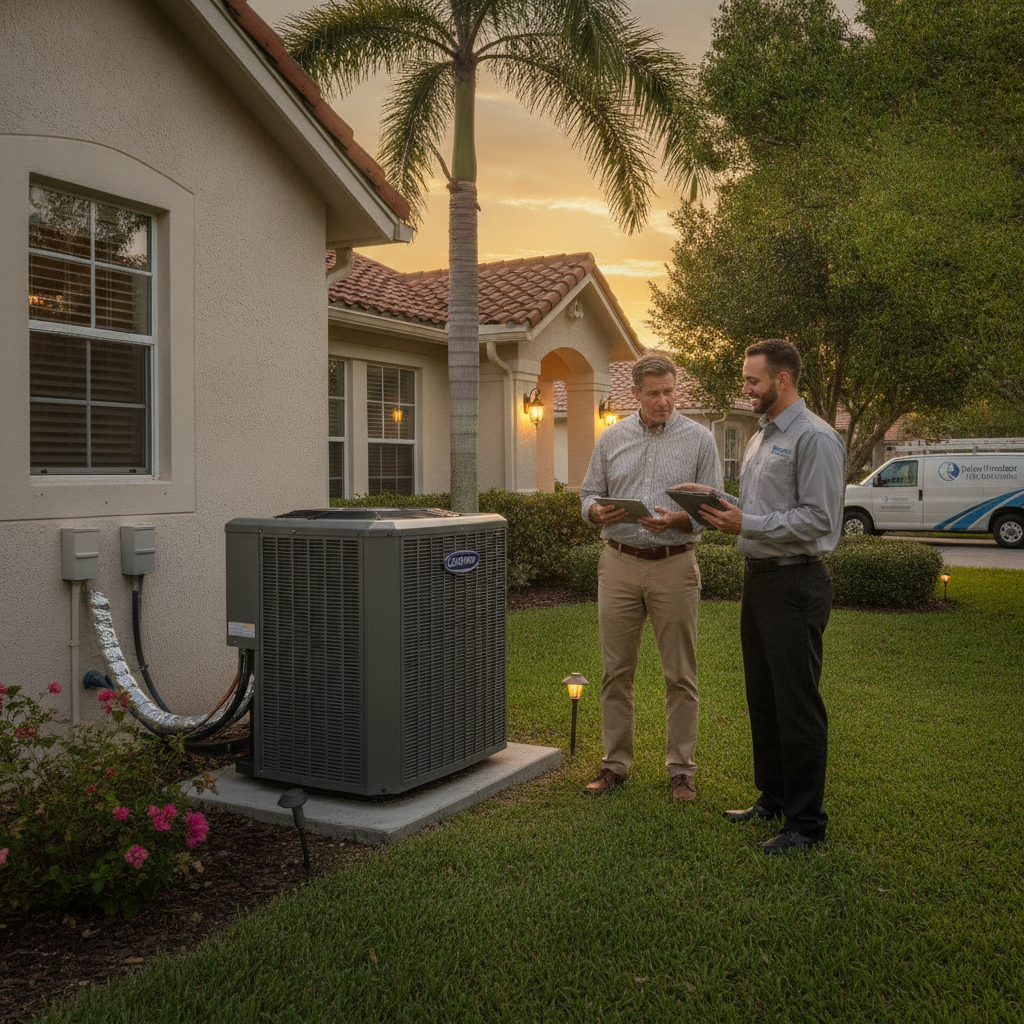
When you request after-hours AC repair, knowing what to expect can help the process go smoothly. The technician will typically arrive with basic diagnostic tools and a selection of common replacement parts. After assessing your system, they’ll explain the problem, discuss repair options, and provide an estimate before starting any work. Be prepared to answer questions about your system’s history, recent performance, and any previous repairs. If the issue requires a part that’s not immediately available, the technician may offer a temporary fix to restore partial cooling until a full repair can be completed. Communication is key, don’t hesitate to ask for clarification on costs, timelines, or warranty coverage. A reputable provider will prioritize your comfort and safety while being transparent about what can be done during an emergency visit versus what may require follow-up during regular hours.
Understanding Warranties and Insurance for Emergency Repairs
Before authorizing any emergency AC repair, check your warranty and insurance coverage. Many newer systems come with manufacturer warranties that may cover certain repairs, even after hours. However, warranty terms often exclude labor costs for emergency visits or repairs performed by non-authorized technicians. Homeowners insurance may cover damages related to system failures, such as water leaks, but typically does not cover the cost of the repair itself. Review your policy details and ask your provider about any available coverage before work begins. If you have a home warranty plan, contact the administrator to determine if emergency service is included and what fees may apply. Understanding your coverage can help you avoid unexpected expenses and ensure you’re getting the most value from your investment.
Sample After-Hours AC Repair Cost Breakdown
| Fee Type | Description | Estimated Range |
|---|---|---|
| Emergency Service Fee | Flat fee for after-hours response | $100 – $250 |
| Labor Rate (per hour) | Hourly charge for technician’s time | $90 – $200 |
| Parts/Materials | Replacement parts required for repair | Varies ($20 – $500+) |
| Diagnostic Fee | Assessment and troubleshooting charge | $50 – $100 |
This table outlines the most common fees you might encounter during an after-hours AC repair call. Actual costs will vary based on the provider, the nature of the repair, and your specific situation. Always request a detailed estimate before authorizing work to avoid surprises.
Final Thoughts
Facing an unexpected AC breakdown after hours can be stressful, but understanding how emergency repair costs are structured puts you in control. By knowing what to expect, asking the right questions, and taking preventive steps, you can minimize both the disruption and the expense. Remember, not all cooling issues require immediate attention, evaluate the urgency, check your warranty coverage, and consider whether waiting until regular hours is possible. When you do need emergency AC repair in Palm Harbor, working with a reputable local provider ensures you get transparent pricing and quality service. Stay prepared, keep up with regular maintenance, and you’ll be ready to handle whatever the Florida heat throws your way.