
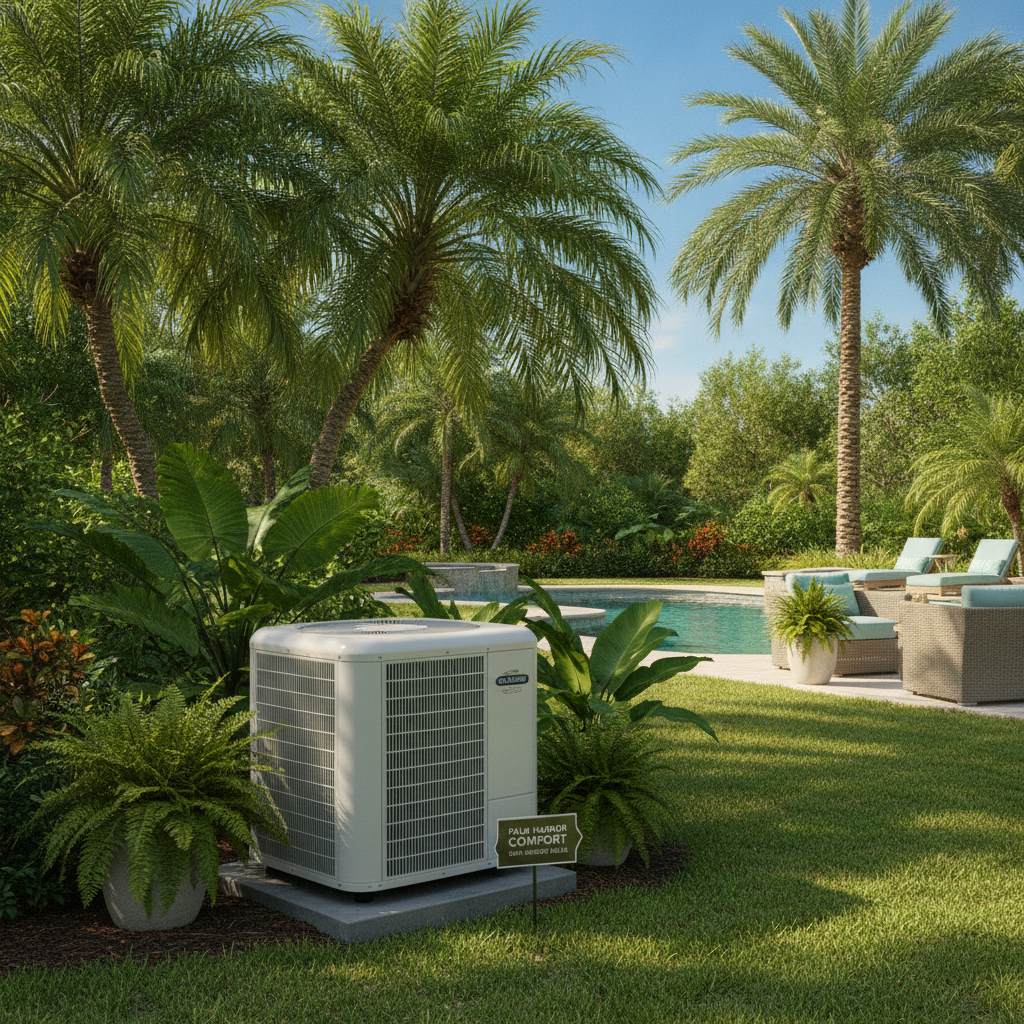
If you’re a small homeowner, developer, or local resident looking to keep cool without breaking the bank, understanding the impact of energy-efficient AC installation is crucial. In the Florida heat, cooling costs can soar, but making informed choices about your air conditioning system can dramatically reduce those expenses. By focusing on energy-efficient AC installation in Palm Harbor FL, you not only enhance comfort but also take control of your monthly bills and environmental footprint. This article explores the real-world benefits, strategies, and expert insights you need to make the smartest investment in your property’s cooling system. Whether you’re upgrading an old unit or planning a new build, discover how the right installation can deliver lasting savings and peace of mind.
Why Energy-Efficient AC Installation Matters
Energy-efficient air conditioning systems have become a game changer for property owners who want to balance comfort with cost savings. Modern AC units are designed to use less electricity while delivering the same or better cooling performance as older models. This means that, over time, you can save a significant amount on your energy bills simply by choosing a system with a higher SEER (Seasonal Energy Efficiency Ratio) rating. For businesses and homeowners alike, these savings can add up to thousands of dollars over the lifespan of the system.
But energy efficiency is about more than just the equipment. Proper installation ensures that your new AC system operates at peak performance. An improperly installed unit, even if it’s top-of-the-line, can waste energy and fail to cool your space effectively. That’s why working with trusted professionals like Nolan Air is so important. They understand the nuances of installation, from correct sizing to optimal placement, so you get the most out of your investment.
When you choose an energy-efficient AC, you’re also making an environmentally conscious decision. Reduced energy consumption means a smaller carbon footprint, which benefits the entire community. In an area where air conditioning is a necessity for much of the year, these collective savings can have a noticeable impact on local energy demand and the environment.
- Lower monthly utility bills
- Consistent indoor comfort
- Reduced environmental impact
- Longer system lifespan with proper installation
Ultimately, investing in energy-efficient AC installation is about future-proofing your property, improving comfort, and keeping more money in your pocket each month.
How Proper Installation Reduces Cooling Costs
Many people overlook the fact that the way an air conditioner is installed can have just as much impact on energy usage as the unit itself. Even the most advanced AC system will struggle to perform efficiently if it’s not installed correctly. Proper installation involves several key steps, including accurate load calculations, correct refrigerant charging, and meticulous ductwork sealing. Each of these factors plays a role in how much energy your system uses to keep your space cool.
For example, if a unit is oversized, it may cool the air quickly but will cycle on and off frequently, wasting energy and causing uneven temperatures. An undersized unit, on the other hand, will run constantly, driving up your utility bills and wearing out the system prematurely. Professional installers take the time to assess your property’s unique needs, ensuring the system is perfectly matched to the space.
Another common issue is leaky ductwork. If cool air escapes before it reaches your rooms, your AC has to work harder to maintain the desired temperature. Proper sealing and insulation of ducts can prevent this waste, making a significant difference in your cooling costs. For a deeper dive into what can go wrong with AC systems in local homes, check out Most Common AC Failure Points in Palm Harbor Homes and What They Mean.
Ultimately, professional AC installation is an investment that pays off through reduced energy bills, improved comfort, and fewer repairs over the life of your system.
The Role of Maintenance in Sustaining Efficiency
Once your energy-efficient AC system is installed, regular maintenance is key to keeping it running at peak performance. Neglecting maintenance can lead to a gradual decline in efficiency, higher energy bills, and even unexpected breakdowns. Simple tasks like changing air filters, cleaning coils, and checking refrigerant levels can make a world of difference in how well your AC performs.
Professional maintenance visits are also an opportunity to catch potential issues early, before they turn into costly repairs. Technicians can identify worn parts, electrical problems, or airflow restrictions that might otherwise go unnoticed. If you’re curious about what a professional service call entails, you might find What to Expect During a Same-Day AC Repair Visit in Tampa, FL helpful.
In addition to scheduled maintenance, property owners should pay attention to signs that their system isn’t operating efficiently. Unusual noises, inconsistent cooling, or rising energy costs can all signal that it’s time for a checkup. By staying proactive, you can extend the life of your AC system and maximize your investment in energy efficiency.
- Regular filter changes (every 1-3 months)
- Annual professional tune-ups
- Prompt attention to unusual noises or smells
- Monitoring energy bills for unexpected increases
Consistent maintenance ensures that your energy-efficient AC system continues to deliver savings and comfort year after year.
Understanding SEER Ratings and What They Mean
When selecting a new air conditioning system, one of the most important factors to consider is the SEER rating. SEER stands for Seasonal Energy Efficiency Ratio, and it measures how efficiently an AC unit can cool your space over an entire season. The higher the SEER rating, the more energy-efficient the system is. In practical terms, a higher SEER means lower energy consumption and reduced cooling costs for you.
Most modern AC units offer SEER ratings ranging from 14 to 25 or more. While higher-SEER units often come with a higher upfront cost, the long-term savings on your energy bills can more than offset the initial investment. For property owners in Palm Harbor, choosing a unit with a SEER rating that balances cost and efficiency is a smart move.
It’s also worth noting that local climate plays a role in how much you can save with a high-SEER system. In areas with long, hot summers, the benefits of a more efficient unit are magnified. Always consult with a knowledgeable installer who can recommend the best SEER rating for your specific needs and budget.
- SEER 14-16: Standard efficiency, lower upfront cost
- SEER 17-20: High efficiency, moderate investment
- SEER 21+: Premium efficiency, maximum savings
Understanding SEER ratings empowers you to make informed decisions that will benefit your comfort and your wallet for years to come.
Comparing Upfront Costs and Long-Term Savings
One of the most common concerns when considering energy-efficient AC installation is the initial cost. While it’s true that high-efficiency systems typically come with a higher price tag, it’s important to look beyond the upfront expense and consider the total cost of ownership. Over the lifespan of your AC unit, the energy savings can be substantial, often outweighing the initial investment.
To help visualize this, here’s a comparison of estimated costs and savings for different types of AC systems commonly installed in Palm Harbor:
| AC System Type | Average Upfront Cost | Estimated Annual Energy Cost | Typical Lifespan |
|---|---|---|---|
| Standard Efficiency (SEER 14-16) | Lower | Higher | 10-15 years |
| High Efficiency (SEER 17-20) | Moderate | Moderate | 12-18 years |
| Premium Efficiency (SEER 21+) | Higher | Lower | 15-20 years |
While the numbers will vary based on your property and usage, the trend is clear: investing in a higher-efficiency system pays off over time through reduced energy bills and longer system life.
Smart Thermostats and Their Impact on Savings
Pairing your energy-efficient AC system with a smart thermostat can further enhance your savings and comfort. Smart thermostats learn your schedule, automatically adjust temperatures, and allow remote control via smartphone apps. This technology ensures your cooling system operates only when needed, reducing unnecessary energy use during off-hours or when the building is unoccupied.
For businesses, this can mean significant savings, especially in spaces with variable occupancy. Homeowners benefit from the convenience and the ability to monitor and manage energy use from anywhere. Many smart thermostats also provide detailed energy reports, helping you spot trends and make adjustments for even greater efficiency.
- Automated temperature adjustments
- Remote access and control
- Energy usage reports and insights
- Integration with other smart home devices
By combining a high-efficiency AC with smart thermostat technology, you maximize your system’s potential and keep cooling costs in check.
Ductwork Design and Its Effect on Efficiency
The design and condition of your ductwork play a significant role in how efficiently your AC system operates. Poorly designed or leaky ducts can cause cooled air to escape before it reaches its intended destination, forcing your system to work harder and consume more energy. This is especially true in older buildings or properties that have undergone renovations without updating the ductwork.
A professional installer will assess your property’s ductwork as part of the AC installation process. They may recommend sealing, insulating, or even redesigning certain sections to optimize airflow and minimize losses. In some cases, switching to a ductless mini-split system can be the most efficient solution, especially for additions or areas where traditional ducts are impractical.
- Sealing leaks and joints
- Adding insulation to ducts in unconditioned spaces
- Balancing airflow for even cooling
- Considering ductless options for specific needs
Optimizing your ductwork ensures that every dollar spent on cooling is used efficiently, delivering consistent comfort throughout your property.
Choosing the Right AC System for Your Property
Selecting the best AC system for your needs involves more than just picking the highest SEER rating. Factors such as property size, layout, occupancy patterns, and even local climate all influence which system will deliver the best results. For homeowners, considerations like zoning and the ability to control temperatures in different areas can lead to greater efficiency and comfort for household and customers alike.
Homeowners should also think about future needs, such as planned additions or renovations, when choosing a system. Consulting with a reputable installer ensures that you get a solution tailored to your unique requirements, rather than a one-size-fits-all approach. Look for contractors who offer a comprehensive assessment and explain the pros and cons of different options, including central air, ductless mini-splits, and heat pump systems.
- Assess property size and layout
- Consider zoning for multi-use spaces
- Plan for future expansion
- Consult with experienced professionals
Making an informed choice now sets the stage for years of reliable, efficient cooling and lower utility bills.
The Importance of Professional Installation in Palm Harbor
In Palm Harbor, where high humidity and frequent storms are part of daily life, professional AC installation is especially important. Local installers understand the unique challenges posed by the climate, such as salt air, heavy rainfall, and temperature swings. They can recommend equipment and installation techniques that stand up to these conditions, ensuring long-term performance and efficiency.
Experienced professionals also stay current with local and regional building codes, ensuring that your new system meets all safety and efficiency standards. This not only protects your investment but also helps you avoid costly code violations or insurance issues down the road. When you work with a reputable installer, you benefit from their knowledge, craftsmanship, and commitment to customer satisfaction.
- Knowledge of local climate challenges
- Compliance with building codes
- Proper system sizing and placement
- Reliable post-installation support
Choosing a local expert for your AC installation ensures that your system is built to last and ready to handle whatever the weather brings.
Financing and Incentives for Energy-Efficient Upgrades
Upgrading to an energy-efficient AC system is more accessible than ever, thanks to a variety of financing options and incentives. Many manufacturers offer rebates for high-efficiency units, and some utility companies provide incentives for property owners who make energy-saving improvements. These programs can help offset the initial cost of installation, making it easier to invest in a system that will pay for itself over time.
In addition to rebates, some installers offer flexible financing plans that allow you to spread the cost of your new system over several months or years. This can be especially helpful for small homeowners or developers managing tight budgets. Be sure to ask your installer about available programs and how to qualify for them.
- Manufacturer rebates for high-efficiency units
- Utility company incentives
- Flexible payment plans
- Tax credits for energy-efficient upgrades (where available)
Taking advantage of these opportunities can make energy-efficient AC installation a smart financial move for any property owner in Palm Harbor.
Final Thoughts
Investing in energy-efficient AC installation is one of the most impactful decisions you can make for your property’s comfort, operating costs, and environmental responsibility. By choosing the right system, ensuring professional installation, and committing to regular maintenance, you set yourself up for years of reliable cooling and lower energy bills. The benefits go beyond immediate savings, extending to increased property value and a reduced carbon footprint for the entire community.
Whether you’re a homeowner seeking to optimize your operational expenses or a homeowner looking to improve comfort and efficiency, the path to lower cooling costs starts with informed choices. Take the time to consult with local experts, explore available incentives, and prioritize quality installation. The long-term rewards, in comfort, savings, and sustainability, are well worth the investment.